
Puerh Buds
⚠️ Connection Notice:
If WhatsApp fails to open, please tap the ··· icon at the top right and select “Open in Browser”.
If WhatsApp fails to open, please tap the ··· icon at the top right and select “Open in Browser”.
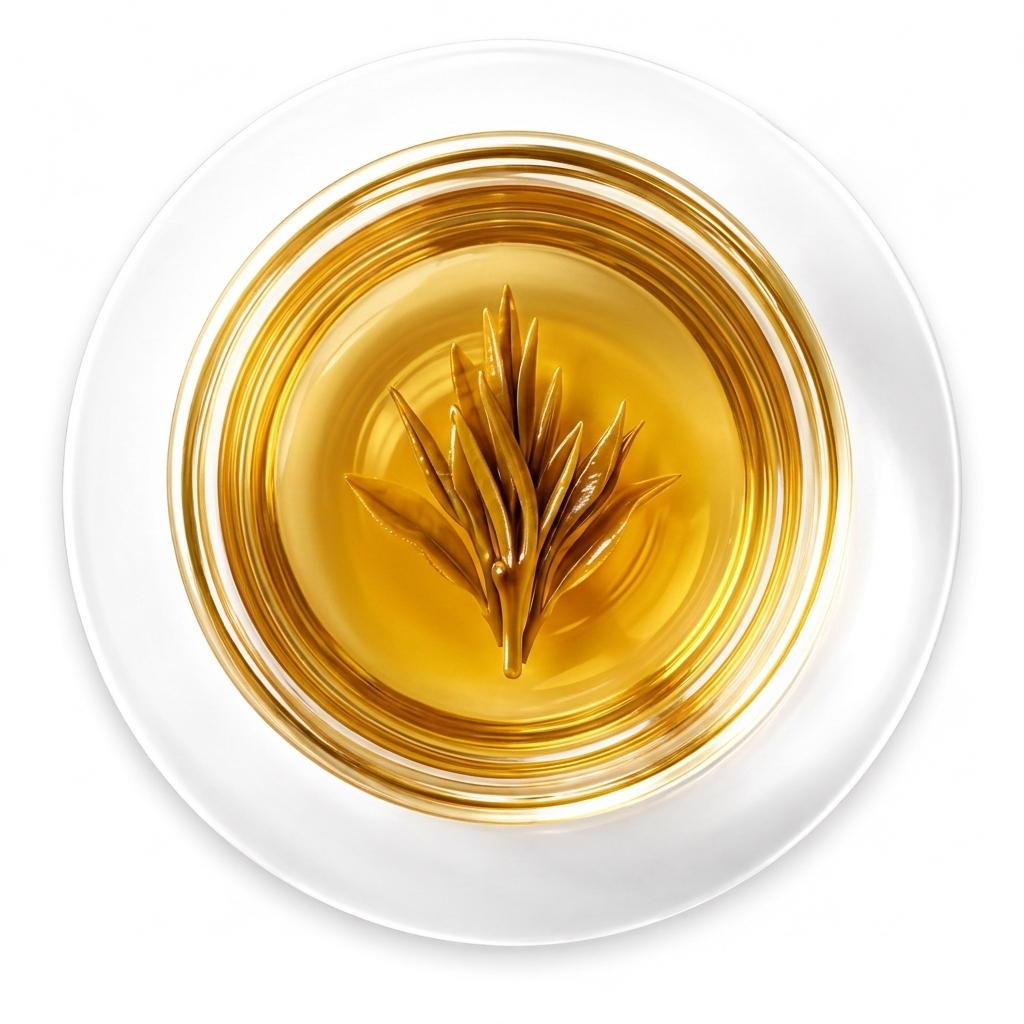
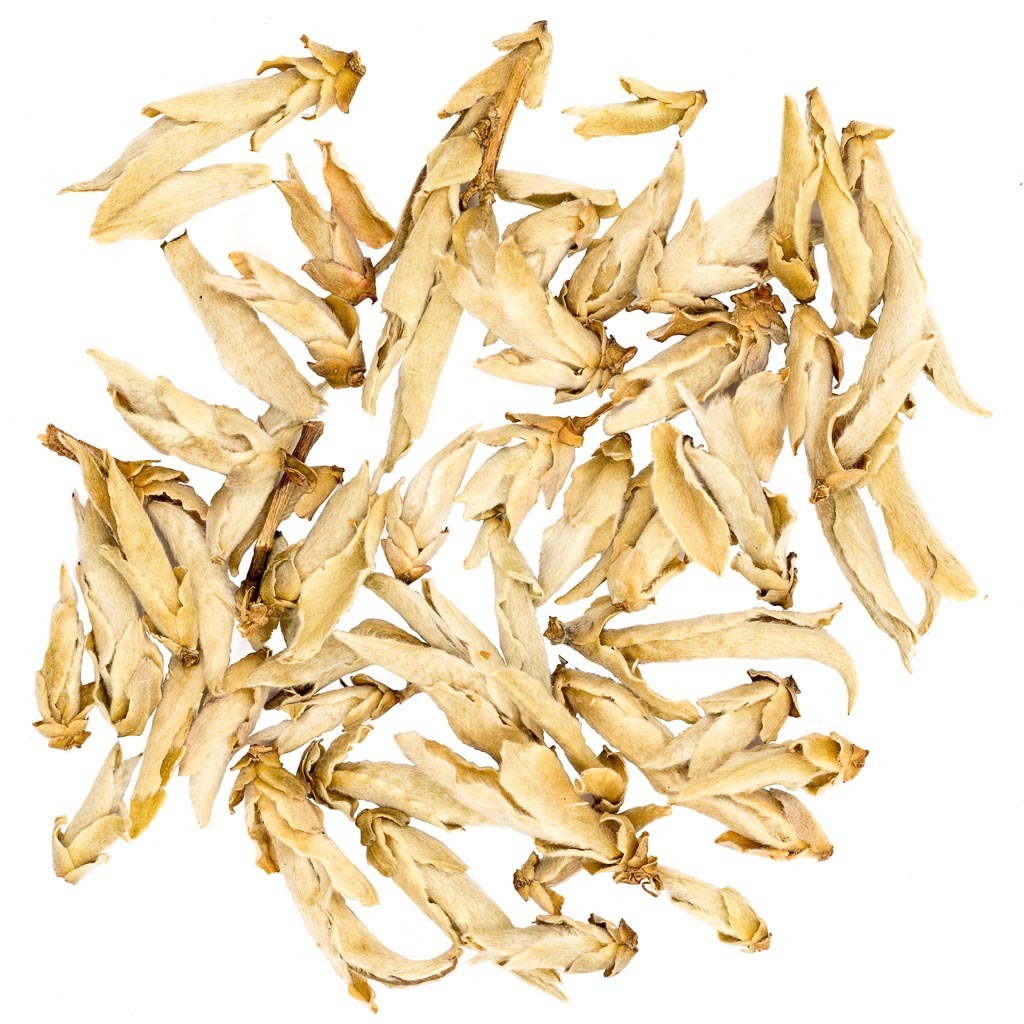
In the expansive landscape of Chinese specialty tea, Puerh Buds, or Ya Bao, represent one of the most enigmatic categories. Unlike the traditional leaves found in our Puerh Tea Collection, Ya Bao consists of the dormant terminal buds of ancient Camellia sinensis var. assamica trees. Harvested only during the depth of winter, these silver-scaled treasures concentrate the forest’s vital energy into a resinous, sweet infusion.
True Ya Bao is not the product of modern plantations. It is foraged from wild and semi-wild ancient forests in regions like Lincang and Jingmai. These trees, some hundreds of years old, grow in a biodiverse polyculture alongside wild orchids and camphor trees. This unique “Terroir” allows the buds to absorb a complexity of minerals that plantation-grown teas simply cannot match.
The science behind Ya Bao’s signature sweetness lies in the tree’s survival mechanism. During the frost-heavy months, the tree redirects sugars and amino acids to these outer buds to protect future growth. According to research on Tea Polyphenols, this dormancy period results in a dramatic reduction of bitter catechins. This is why our White Tea Selection, which includes premium Ya Bao, is celebrated for its lack of astringency, even when steeped with boiling water.
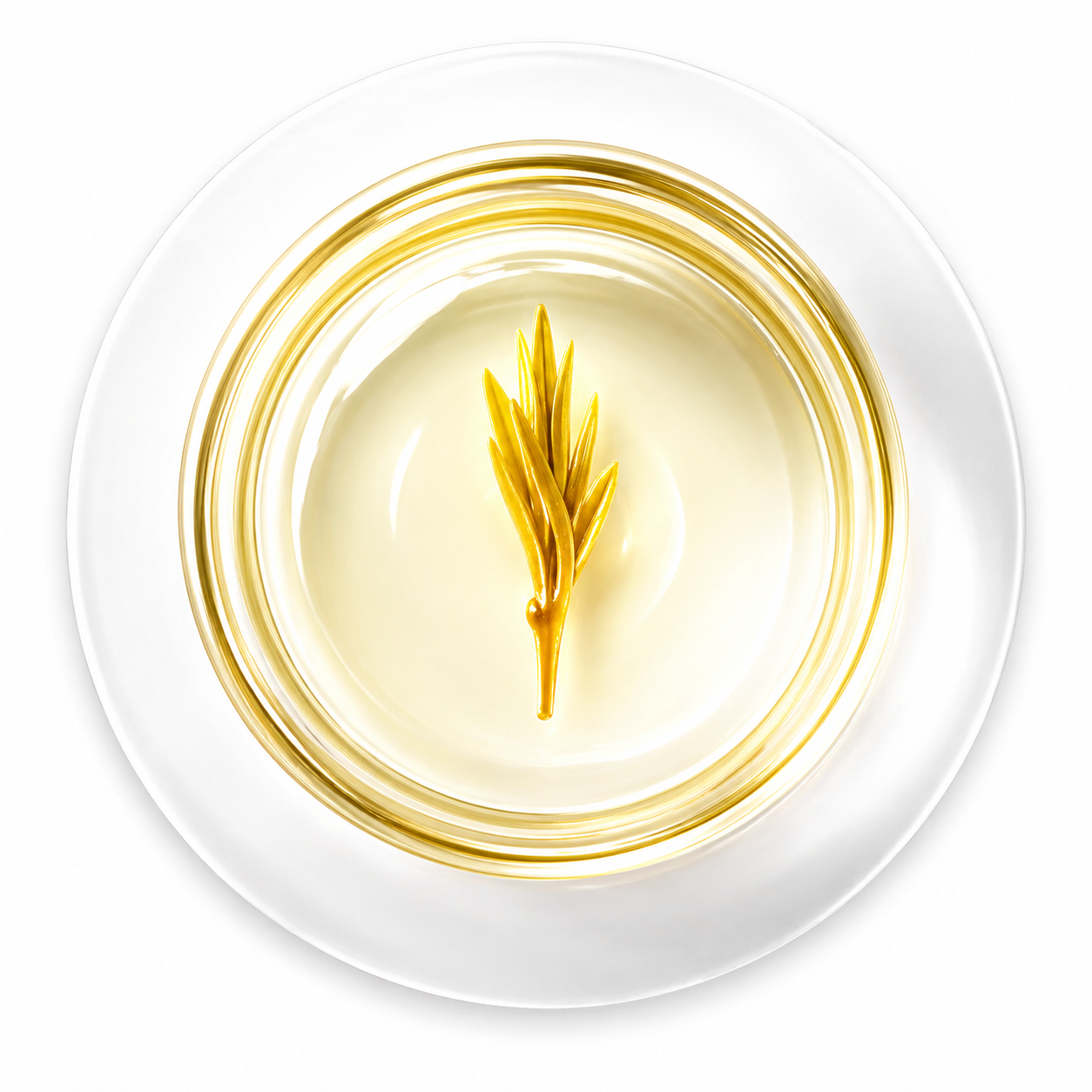
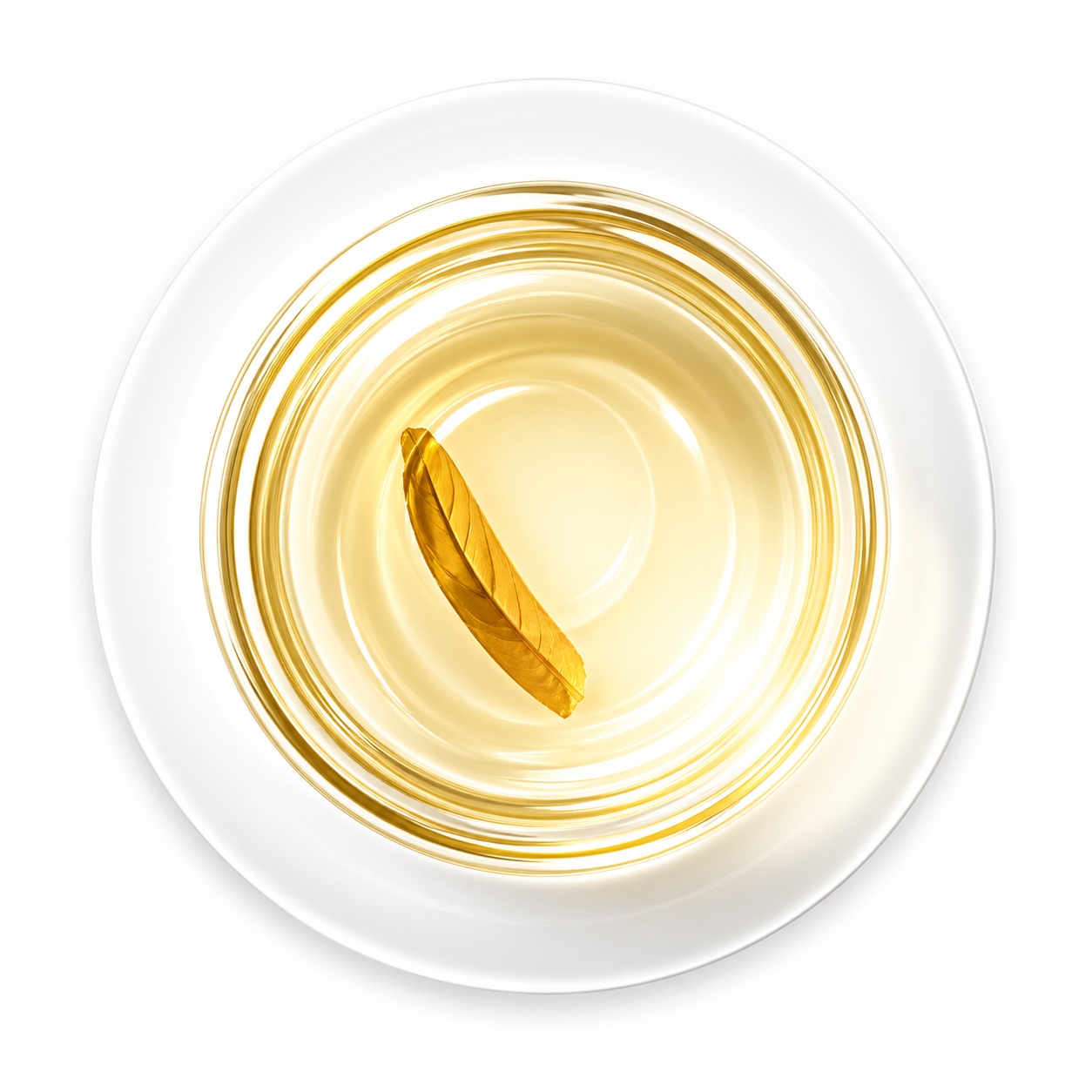
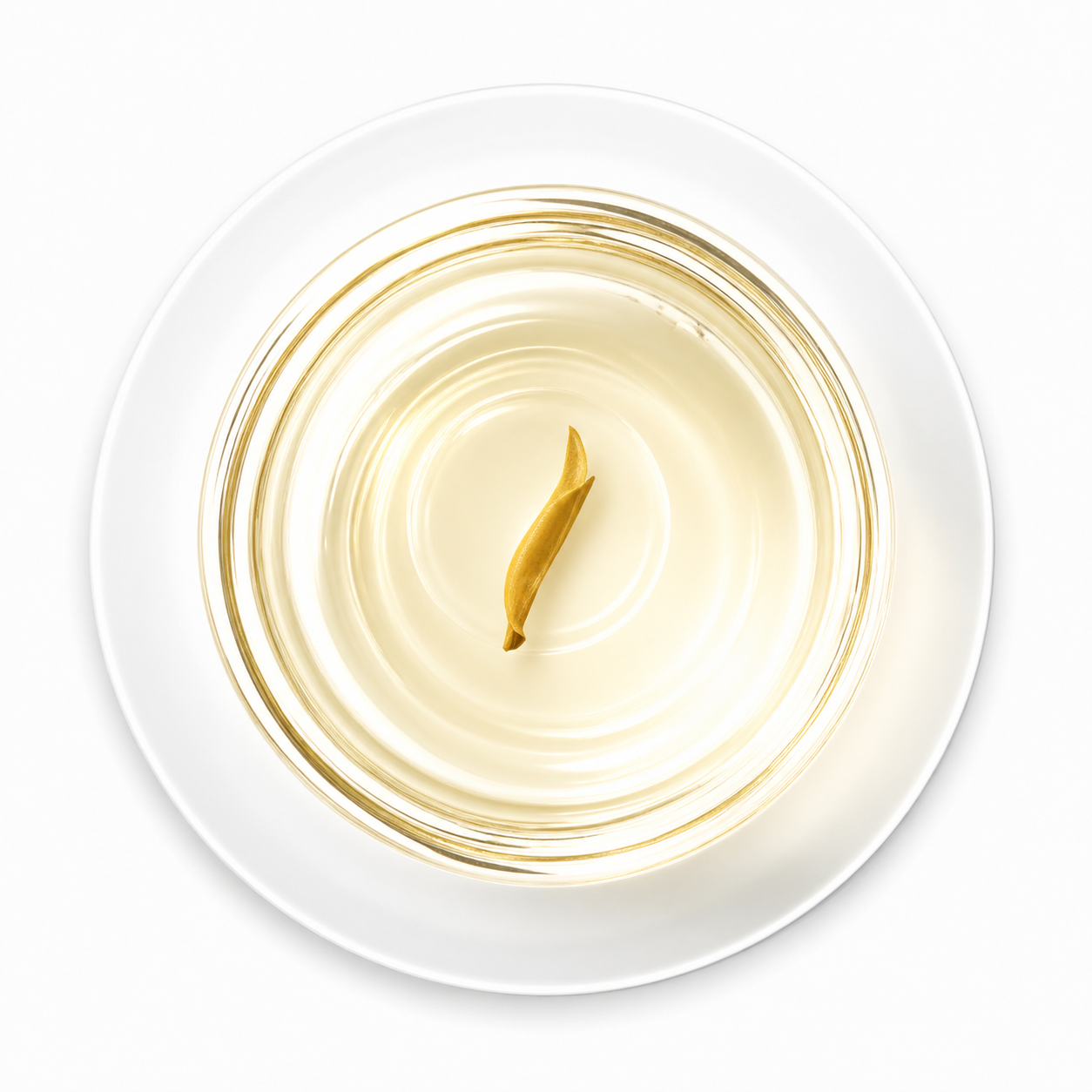
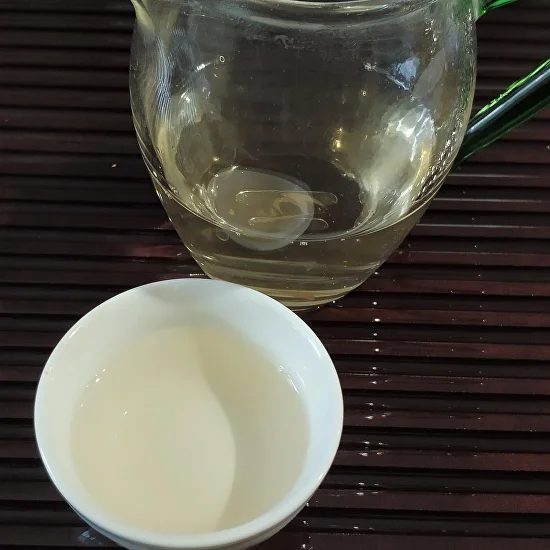
Steeping Puerh Buds is a visual and aromatic journey. The liquor is remarkably clear, resembling liquid crystal or pale straw gold. On the nose, it offers an immediate hit of wild honey, cedarwood, and pine resin. As the tea cools, subtle fruity notes of dried lychee and apricot begin to emerge, a testament to its ancient forest pedigree.
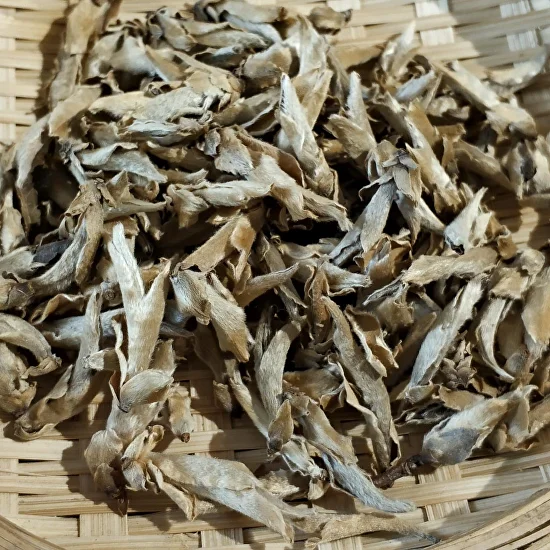
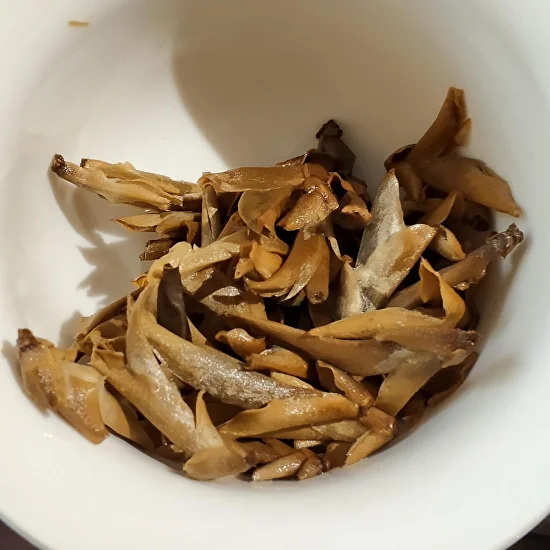
Unlike the bold muskiness of Ripe Puerh, Ya Bao is ethereal and light. However, its longevity is impressive—one serving can often last for over ten infusions without losing its foundational sweetness. This makes it a standout choice in our New Arrivals each spring.
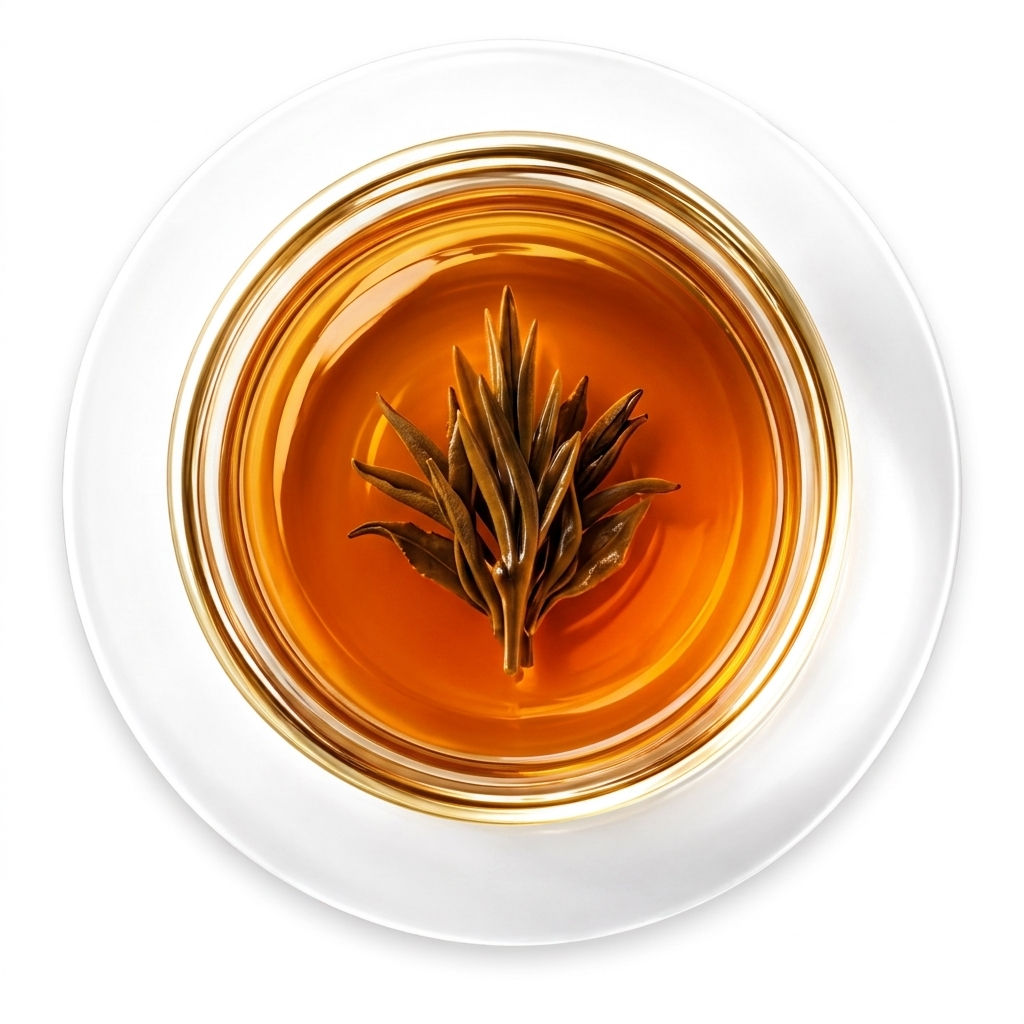
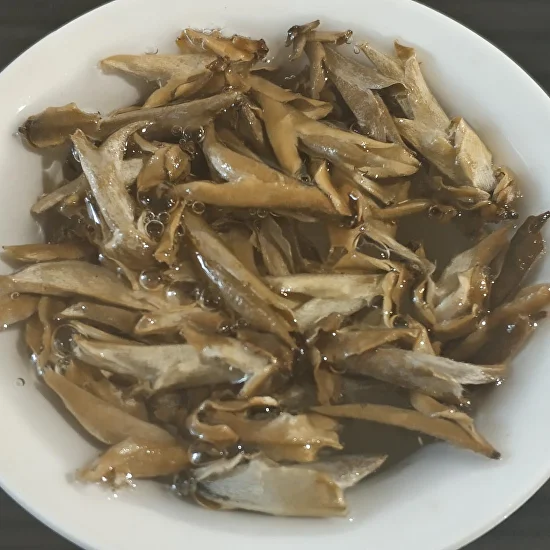
Puerh Buds are remarkably resilient and nearly impossible to over-steep. To appreciate the full complexity, we recommend using artisanal Teaware such as a porcelain Gaiwan or a glass pot to observe the buds unfurling.
3g per 500ml
Temp: 95°C (203°F)
Time: 5-7 Minutes
Results in a consistent, honeyed infusion perfect for all-day sipping.
7g per 150ml
Temp: 100°C (Boiling)
Steeps: 12+ rounds
Experience the evolution from woody resin to sweet stone fruit.
Correct storage is vital for those wishing to age their Puerh Buds. According to our Tea Storage Guide, these buds should be kept in a stable environment away from strong odors and direct light. Over time, the silver scales darken slightly, and the “wildness” of the tea matures into a more grounded, syrupy texture that is highly prized by collectors.
Yes. Because it is sun-dried with minimal processing, Ya Bao retains high levels of EGCG and other natural antioxidants found in the Yunnan ecosystem.
Absolutely. Unlike delicate green teas, Ya Bao thrives with 100°C water, which helps penetrate its resinous scales to release deep-seated sweetness.
While both are buds, Silver Needle comes from standard bushes, whereas Ya Bao comes from ancient forest trees with a different genetic lineage, offering a more “wild” and woody profile.
Curated with passion for the global tea community.