


Longevity Eyebrow
⚠️ Connection Notice:
If WhatsApp fails to open, please tap the ··· icon at the top right and select “Open in Browser”.
If WhatsApp fails to open, please tap the ··· icon at the top right and select “Open in Browser”.
Often referred to as the “working man’s tea” due to its bold nature, Longevity Eyebrow (Shou Mei) is a foundational pillar of our White Tea Collection. Unlike the delicate Silver Needles, Shou Mei is defined by its maturity, medicinal heritage, and the extraordinary way it transforms with time. In China, it is revered not just as a beverage, but as a healing potion with deep cultural roots.
Traditional folklore paints Shou Mei as a divine cure. Legend tells of a young girl named Lan Wu, who received a dream-vision of a monk during a dangerous measles outbreak. The monk revealed a hidden tea bush and taught her to transform its mature leaves into a medicinal elixir. Following the wise man’s advice, Lan Wu saved her relatives and dedicated her life to cultivating these “magic bushes” in her garden. Today, Shou Mei is still categorized as a “cooling” tea in Traditional Chinese Medicine, used to clear internal heat.
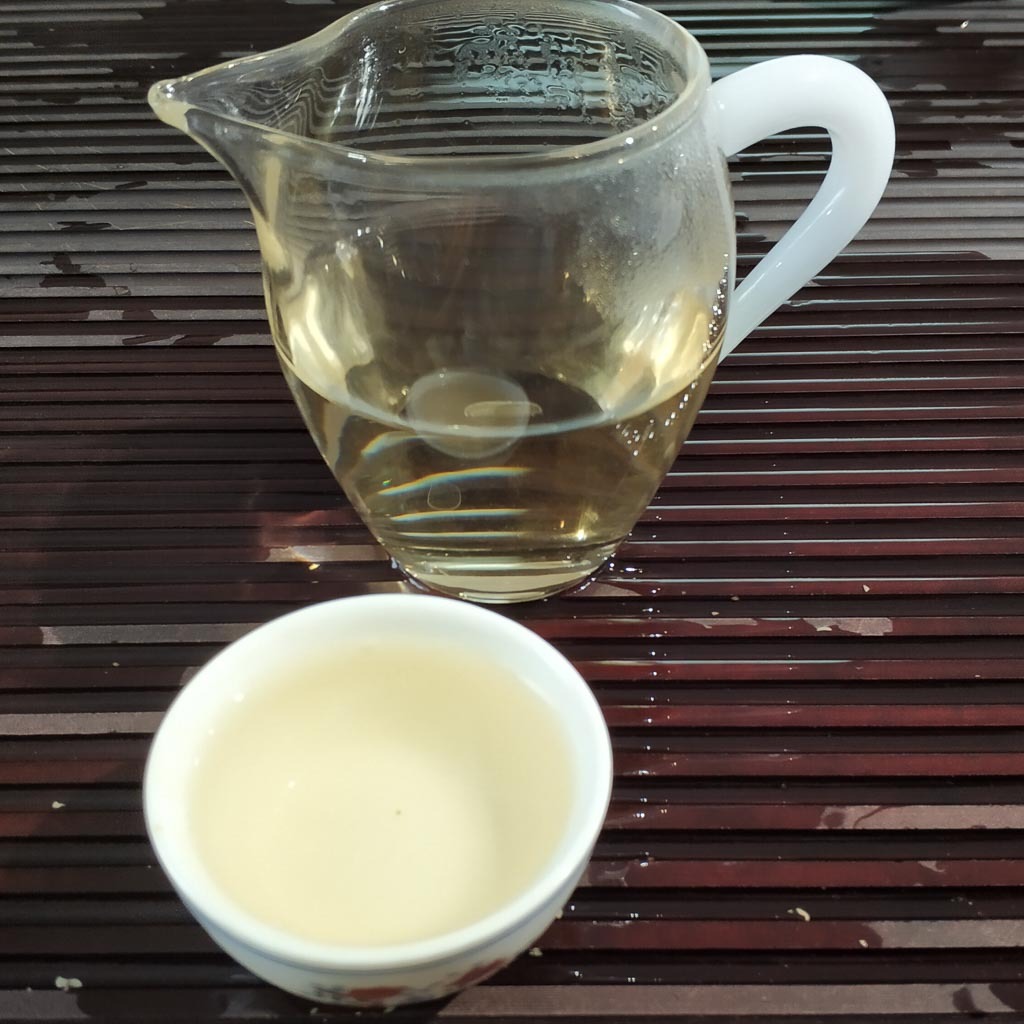
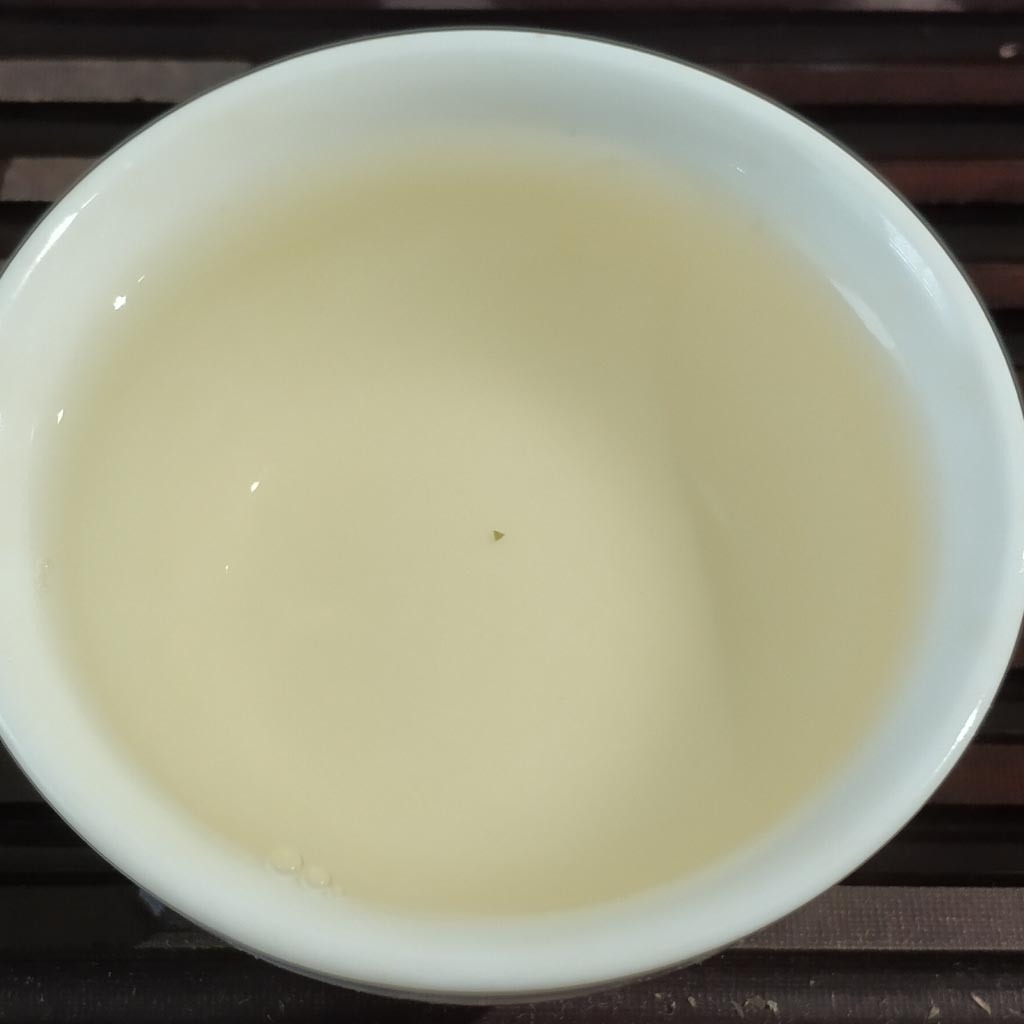
While premium white teas like Silver Needle are picked in early spring, Longevity Eyebrow is harvested much later—typically in May and June. By this time, the Da Bai Cha and Da Hao tea bushes have produced more mature, robust leaves. This late-stage harvesting allows the plant to develop a higher concentration of flavonoids and complex sugars.
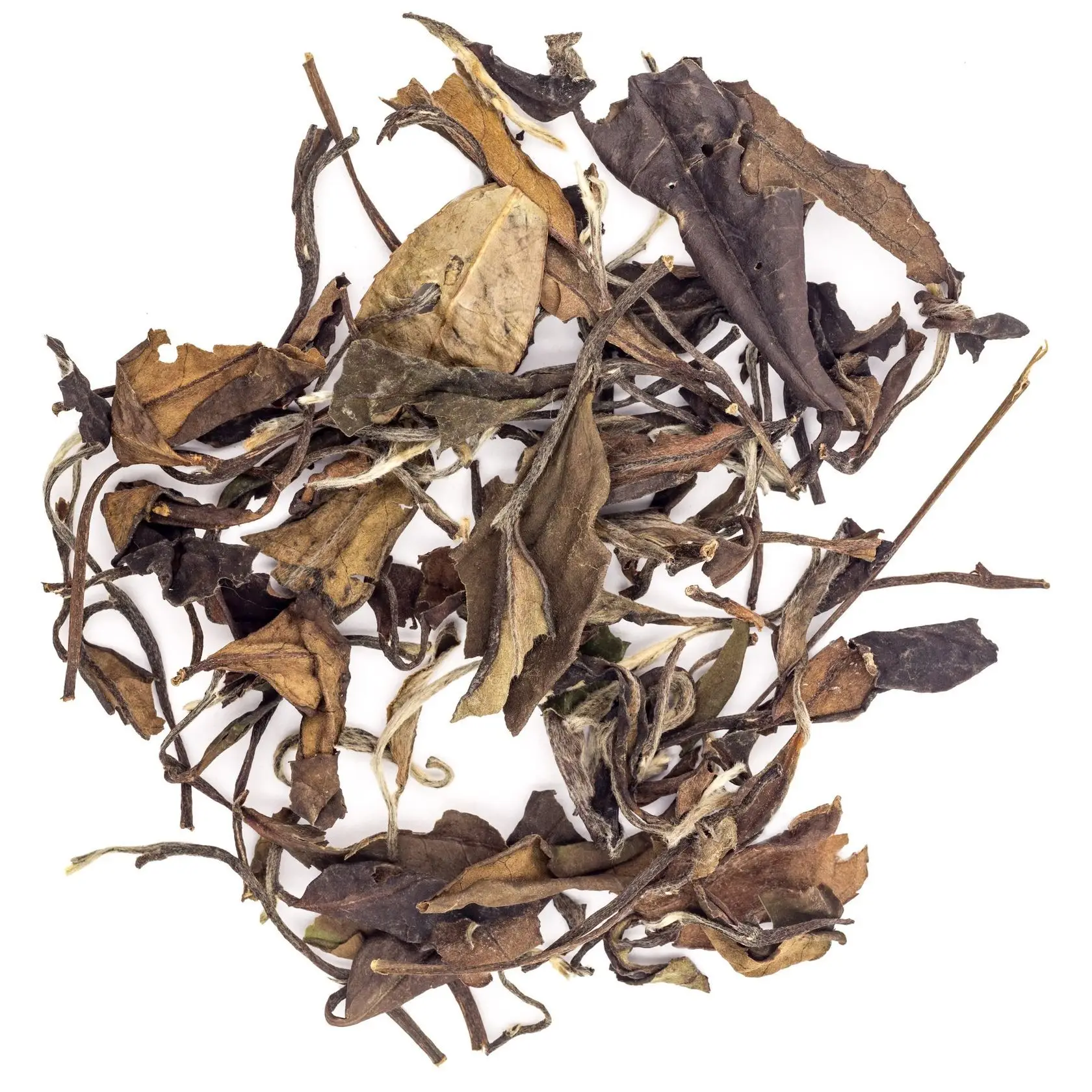
Shou Mei is distinguished by its larger, coarser raw materials. To the untrained eye, it may look like autumn leaves, but for the connoisseur, this “roughness” is the source of its flavor. The presence of stems and larger leaves contributes to a woody, bamboo-like aroma and a honeyed sweetness that finer buds simply cannot replicate.
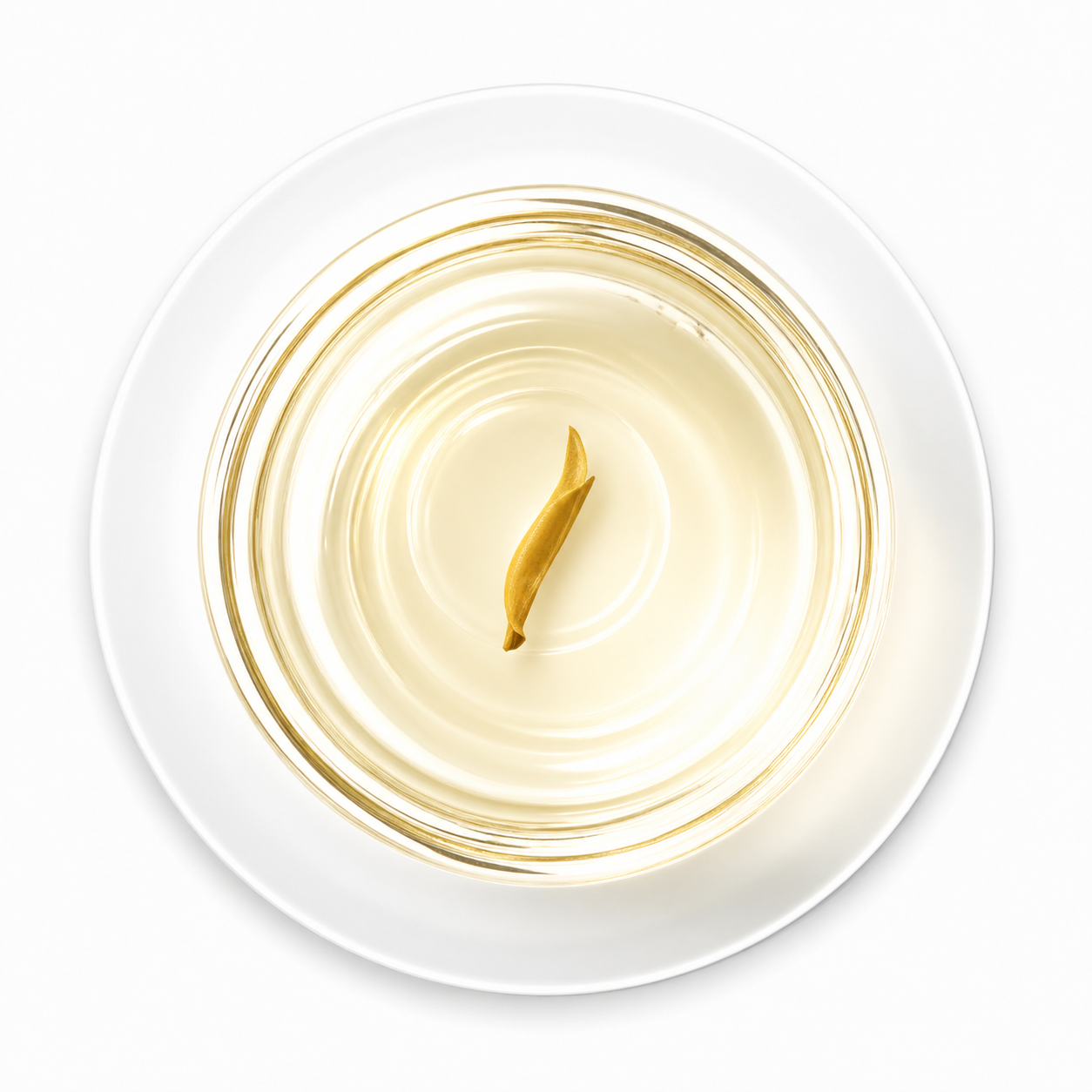
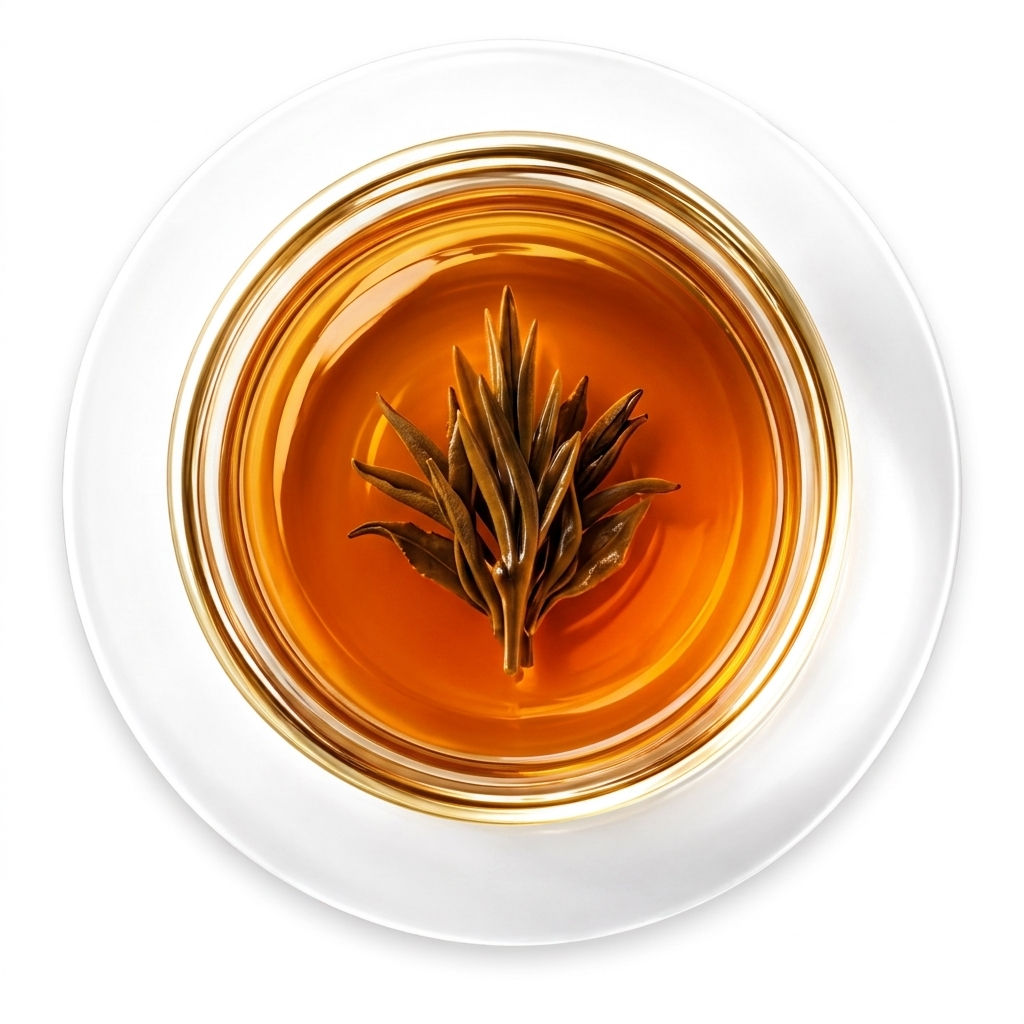
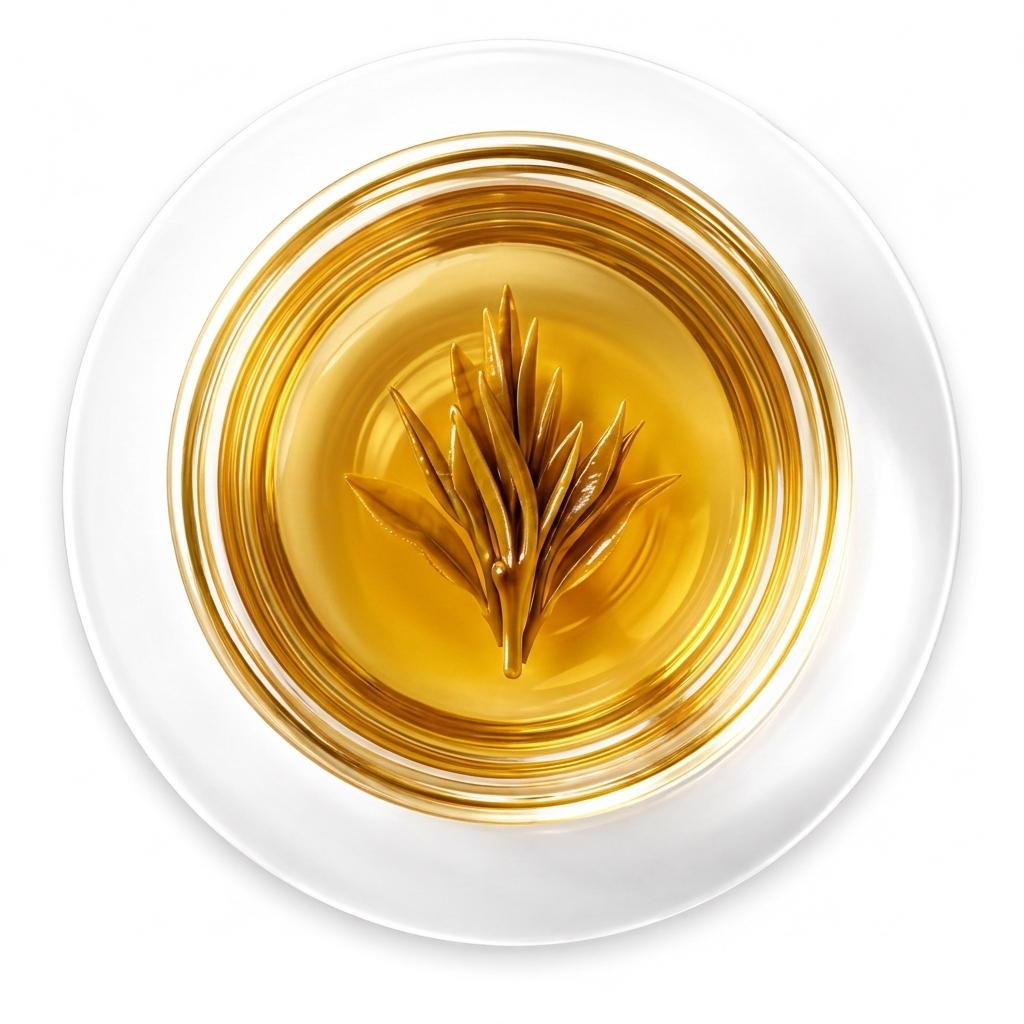
One of the most remarkable features of Longevity Eyebrow is its longevity in storage. It is often said that white tea is “One-year tea, three-year medicine, seven-year treasure.” As Shou Mei ages (becoming Lao Shou Mei), the chlorophyll breaks down, the leaves turn darker, and the infusion shifts from golden to a warm reddish-amber. The flavor profile evolves from floral and grassy to deep notes of jujube (Chinese dates) and medicinal herbs.
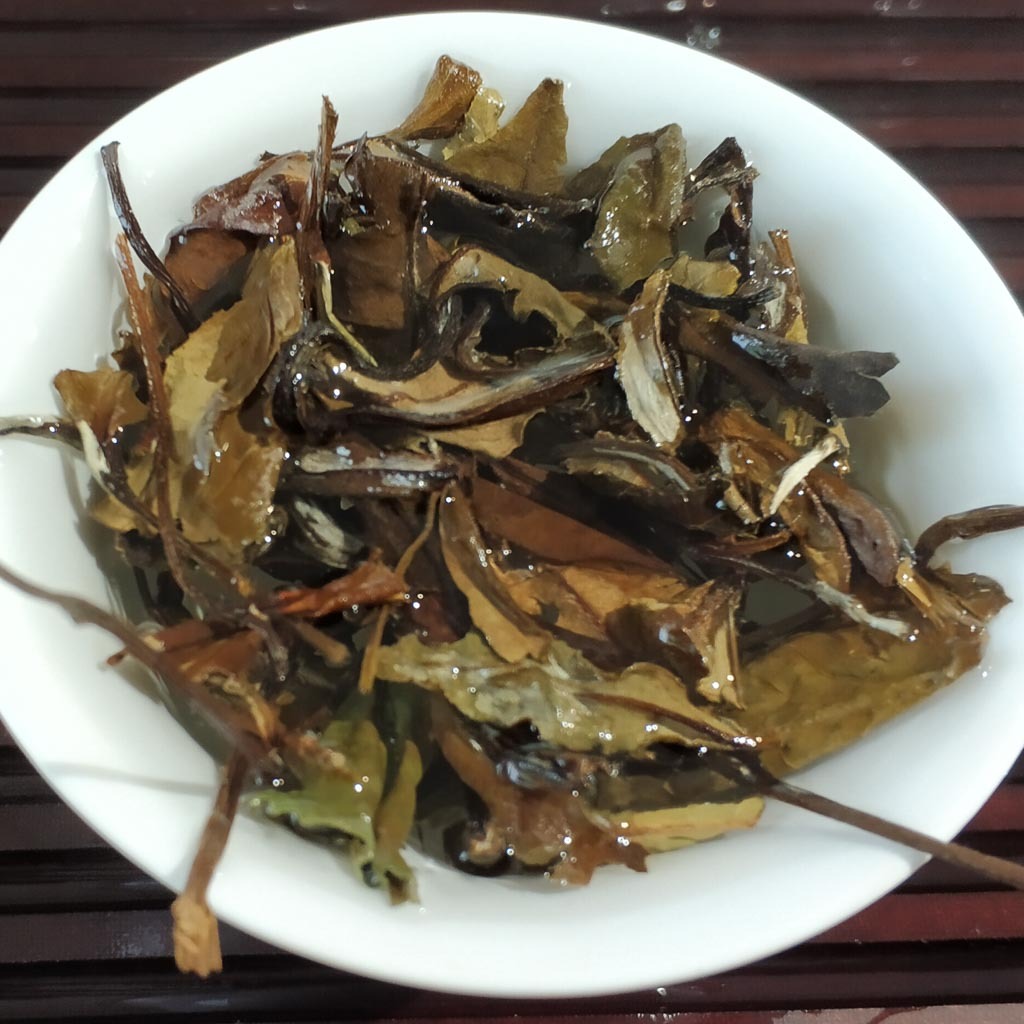
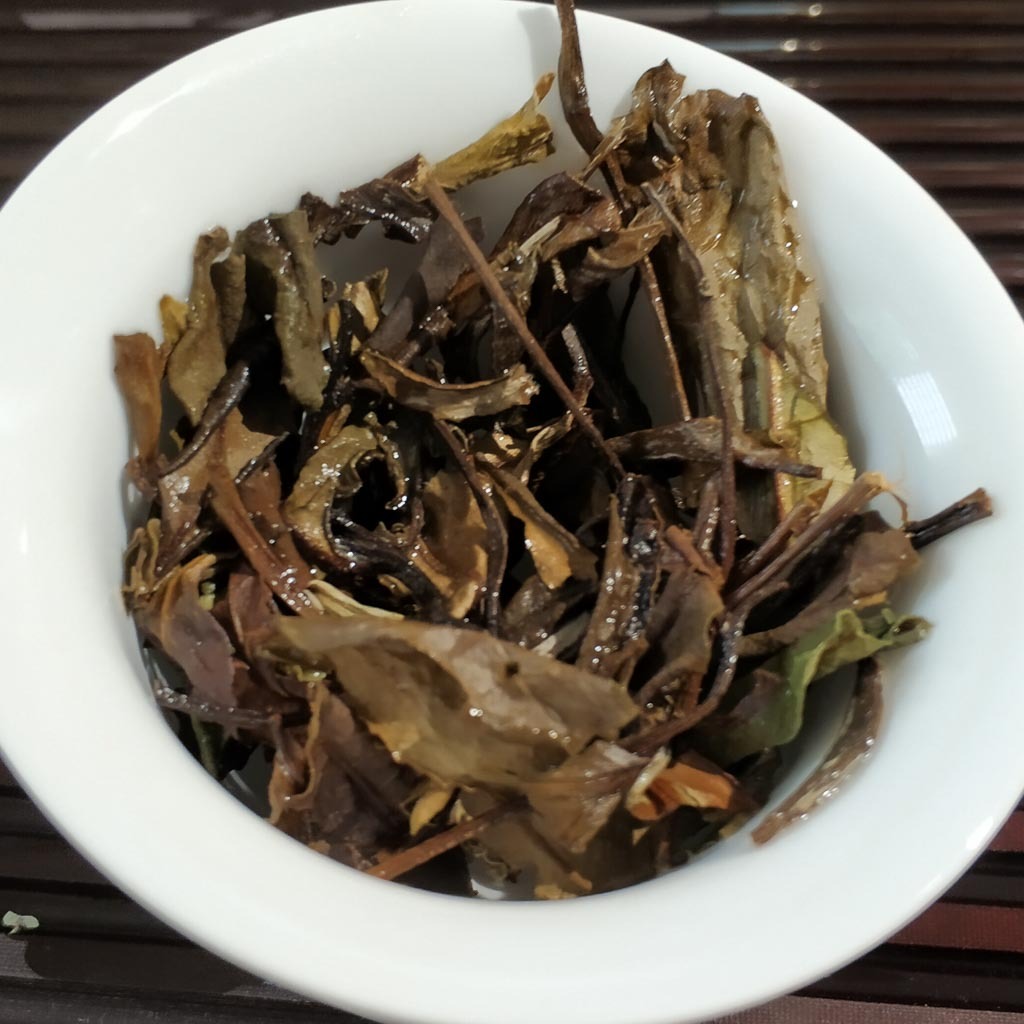
Shou Mei is exceptionally durable. We suggest using our Handmade Teaware to explore its evolving profile across multiple steeps.
4g per 500ml
Temp: 90°C (194°F)
Time: 3-5 Minutes
Produces a sweet, daily-drinking brew with a smooth finish.
7g per 150ml
Temp: 95°C – 100°C
Steeps: 12+ rounds
The tea truly shines here, revealing an oily texture and jujube notes.
Not at all. While cheaper in its “young” state than Silver Needle, a well-aged 10-year-old Shou Mei can be far more valuable and complex than fresh buds.
The name comes from the thin, curved shape of the dried leaves, which resemble the long eyebrows often depicted on the “God of Longevity” in Chinese mythology.
Yes, but because the leaves are more mature, the caffeine release is often more gradual and less jittery compared to young green or white tea buds.
Curated for the global tea community.