

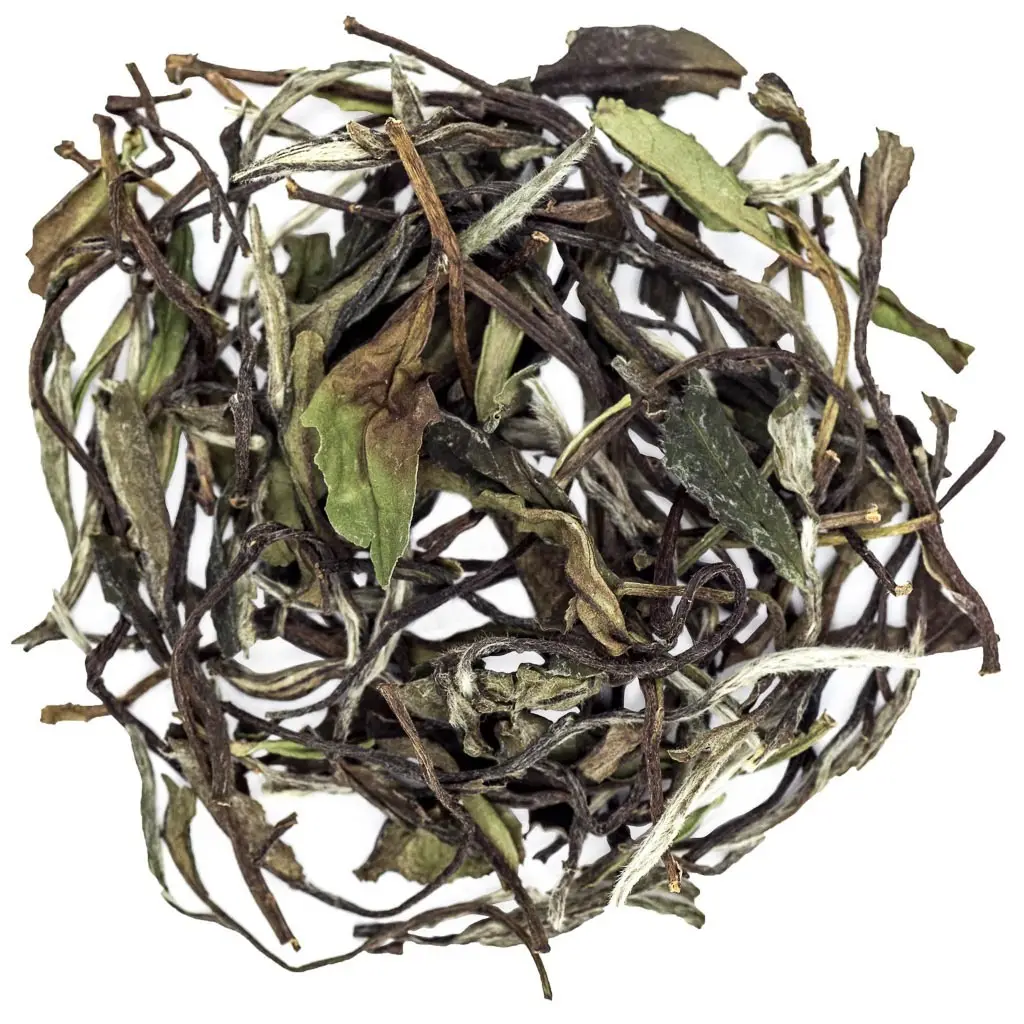
Tribute Eyebrow
⚠️ Connection Notice:
If WhatsApp fails to open, please tap the ··· icon at the top right and select “Open in Browser”.
If WhatsApp fails to open, please tap the ··· icon at the top right and select “Open in Browser”.
A regal member of our White Tea Collection, Tribute Eyebrow (Gong Mei) offers a sophisticated bridge between the delicacy of Silver Needle and the boldness of Shou Mei. With a name that translates to “Imperial Gift,” this variety carries the elegance of ancient palaces. It is often described as being saturated with feminine energy—its fragrance creating a serene, sunny mood with every sip.
The name Gong Mei holds deep historical significance. The first character, Gong, translates to “tribute” or “gift,” referring to the era when this tea was selected as an official offering to the Chinese Emperor. The second character, Mei, means “eyebrows,” describing the long, gracefully curved shape of the processed leaves. Historically, white tea varieties like Gong Mei were prized for their purity and rarity, often reserved for nobility and high-ranking officials.
In the hierarchy of white teas, Gong Mei is prized for its specific plucking standard. Unlike Shou Mei, which consists mainly of mature leaves, high-quality Gong Mei typically contains about one-third tea buds. The plucking standard usually includes one bud and the three upper leaves. This composition is key to its “richer and juicier” profile documented in botanical tea studies.
The presence of both tender buds and more mature leaves makes Tribute Eyebrow a challenge for tea masters. During the natural withering process, oxidative processes take place at different rates—the leaves darken faster than the silver buds. Managing this visual and chemical heterogeneity requires precision to ensure the taste remains balanced. This complex interaction is exactly what makes the final infusion more multi-layered and dynamic than simpler varieties.
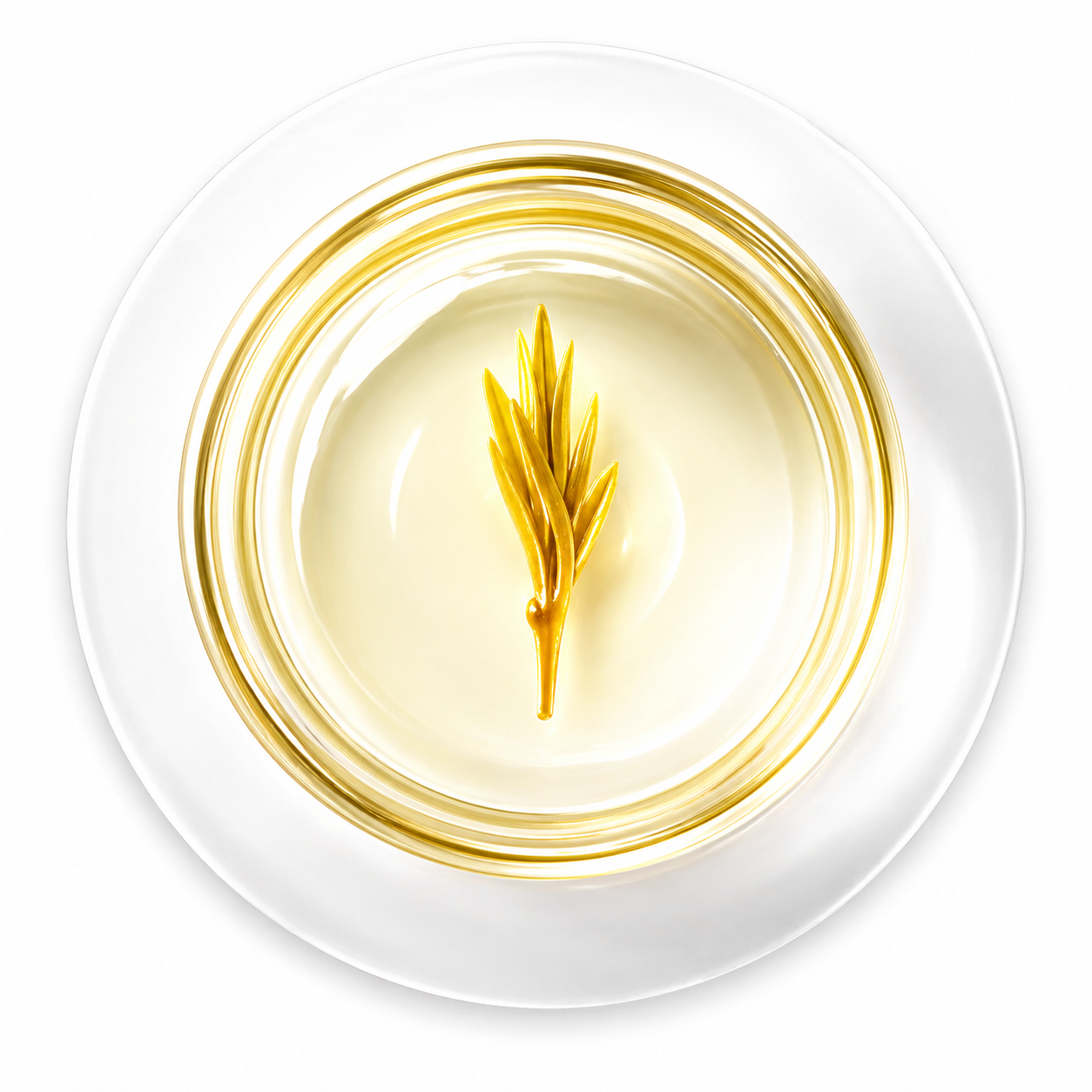
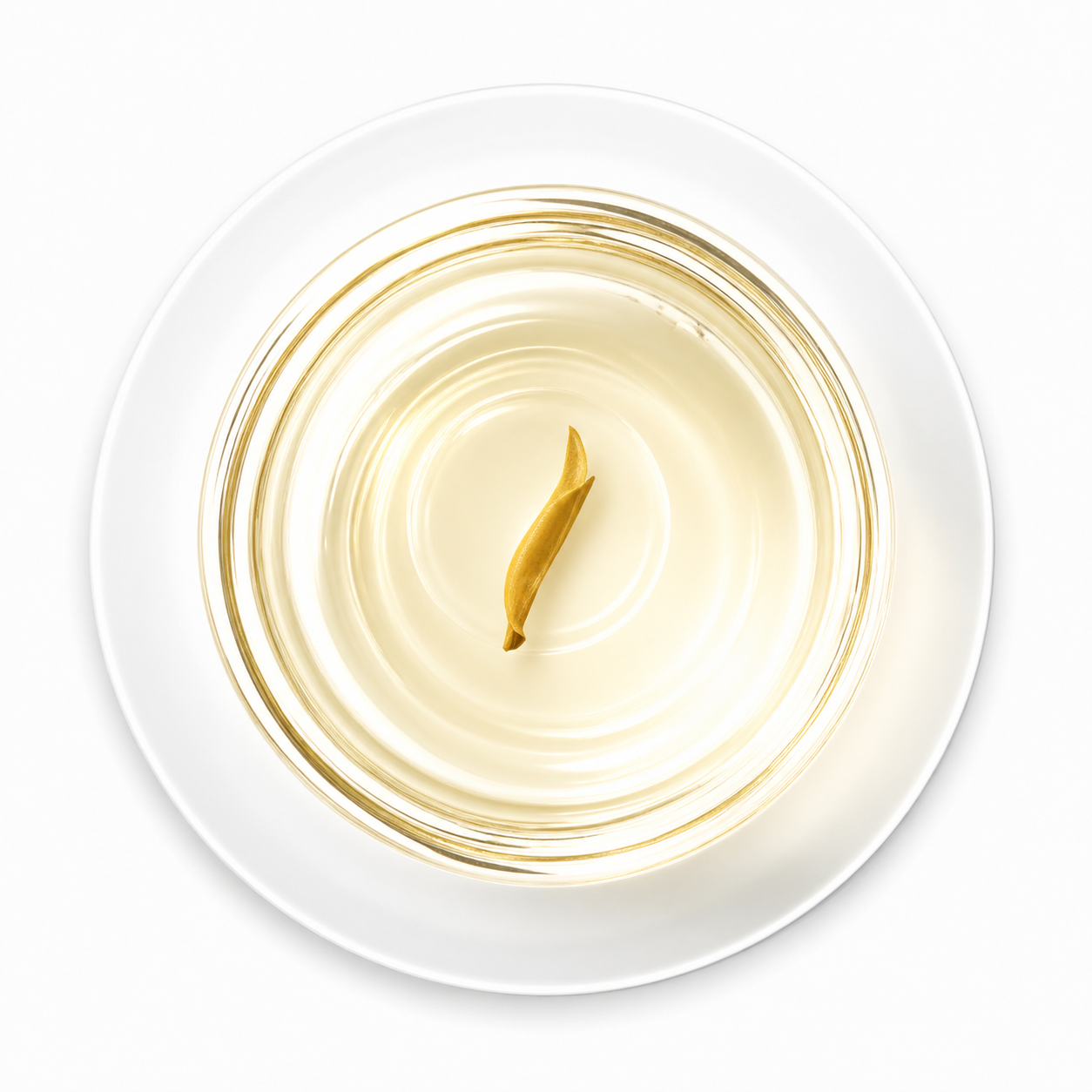
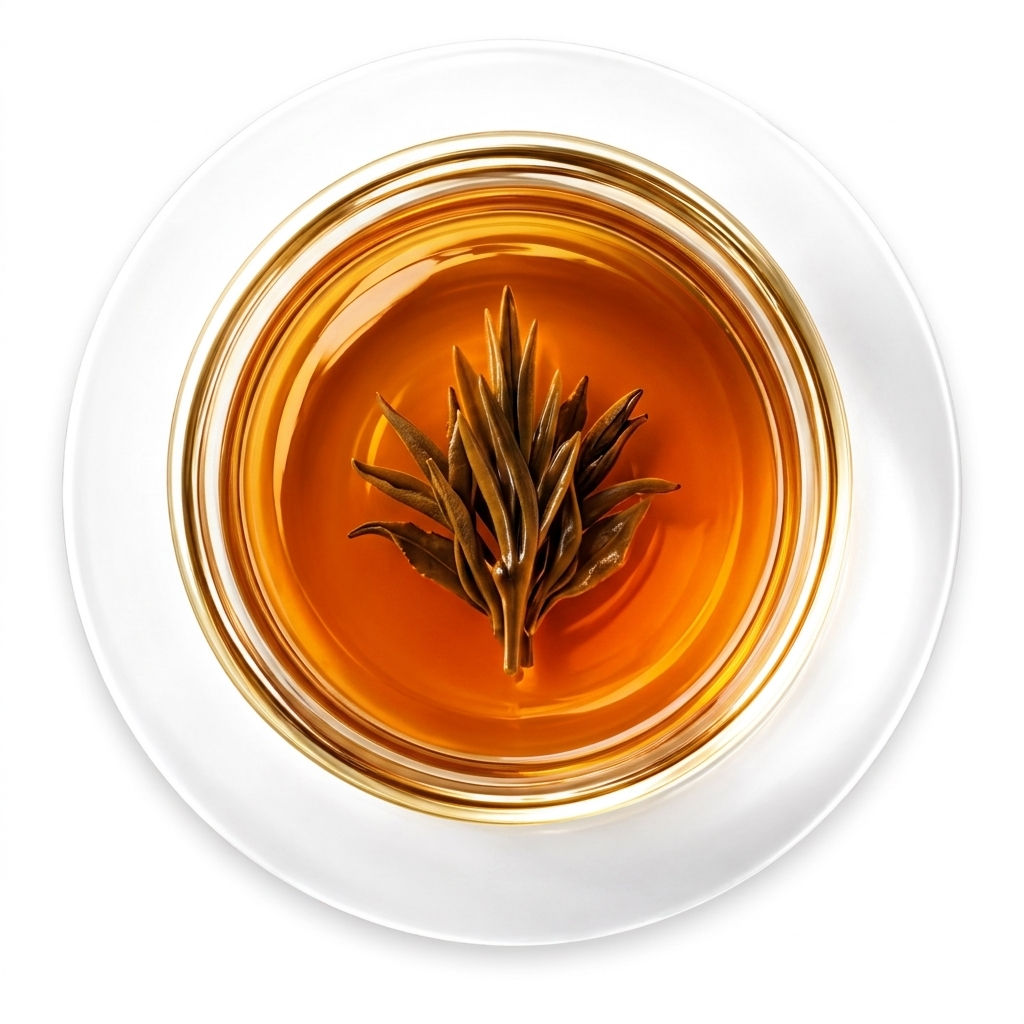
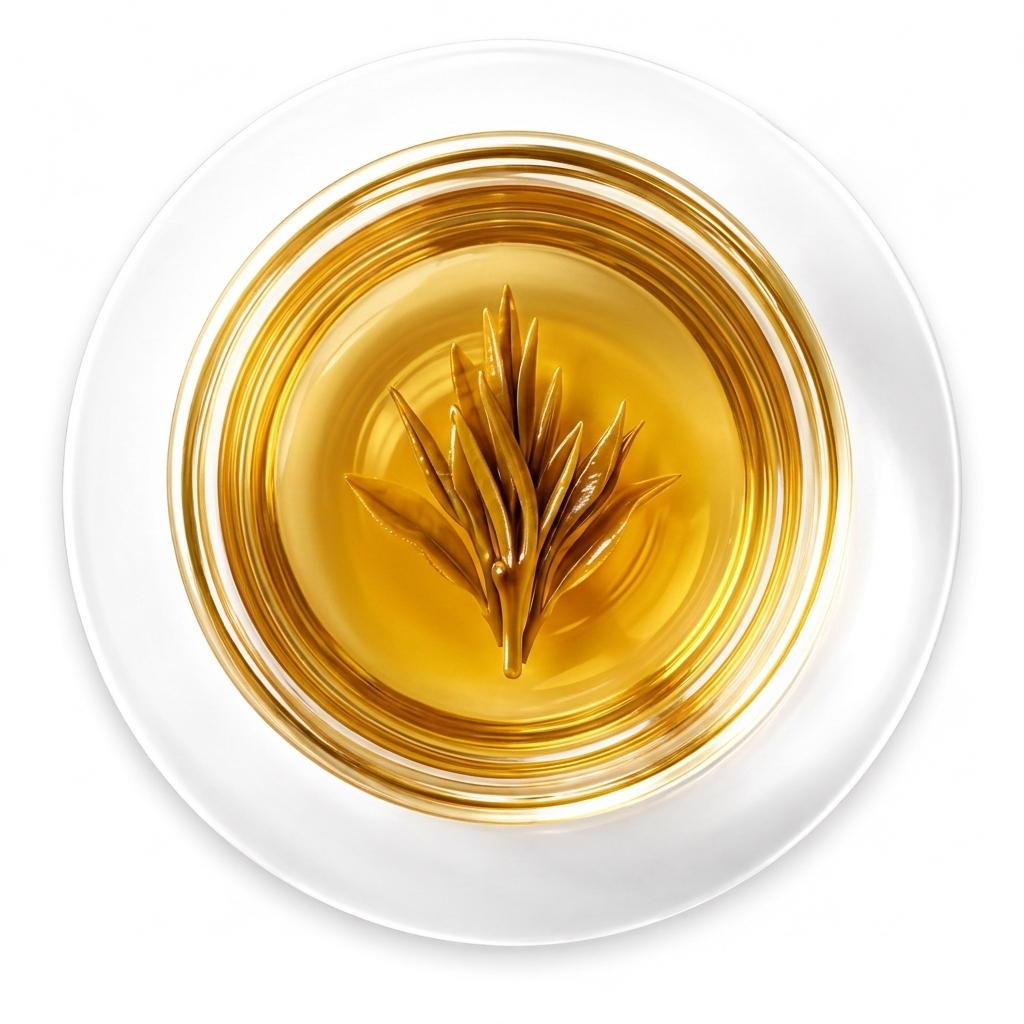
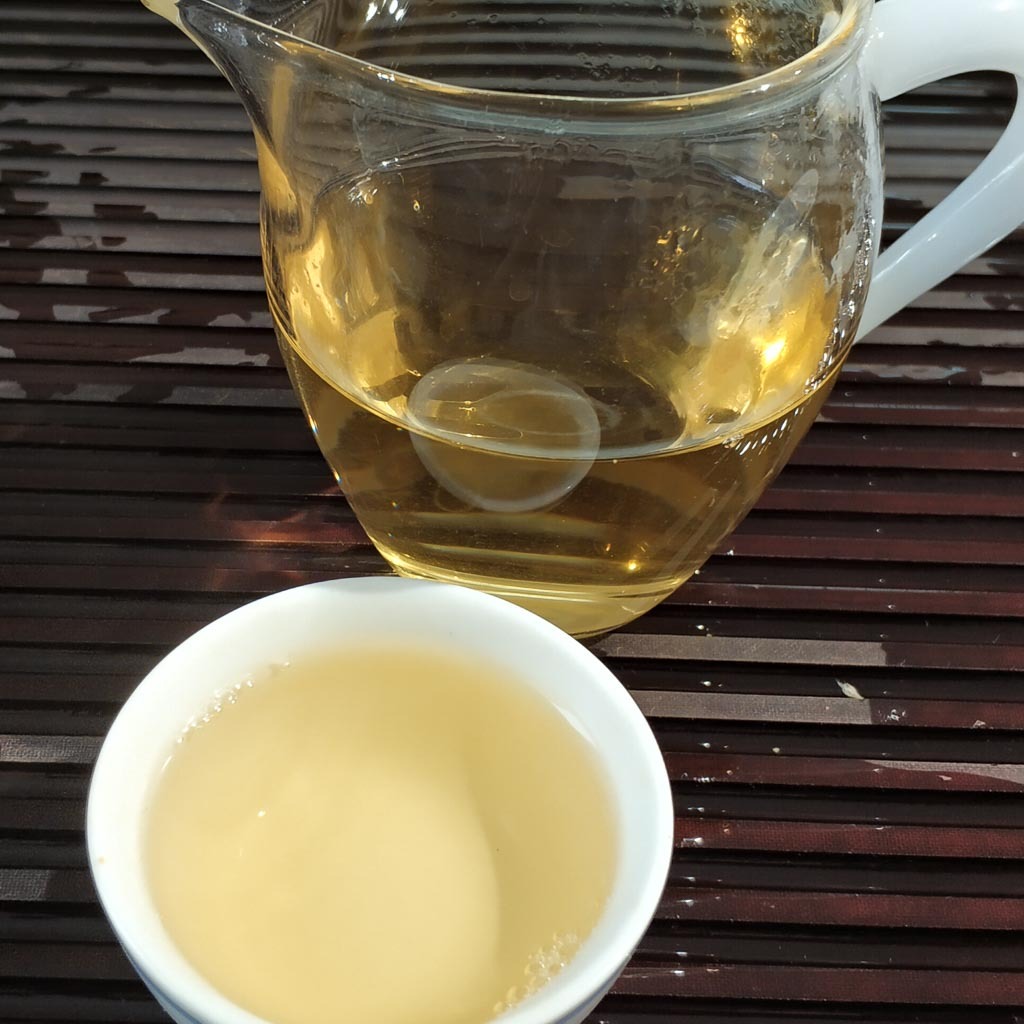
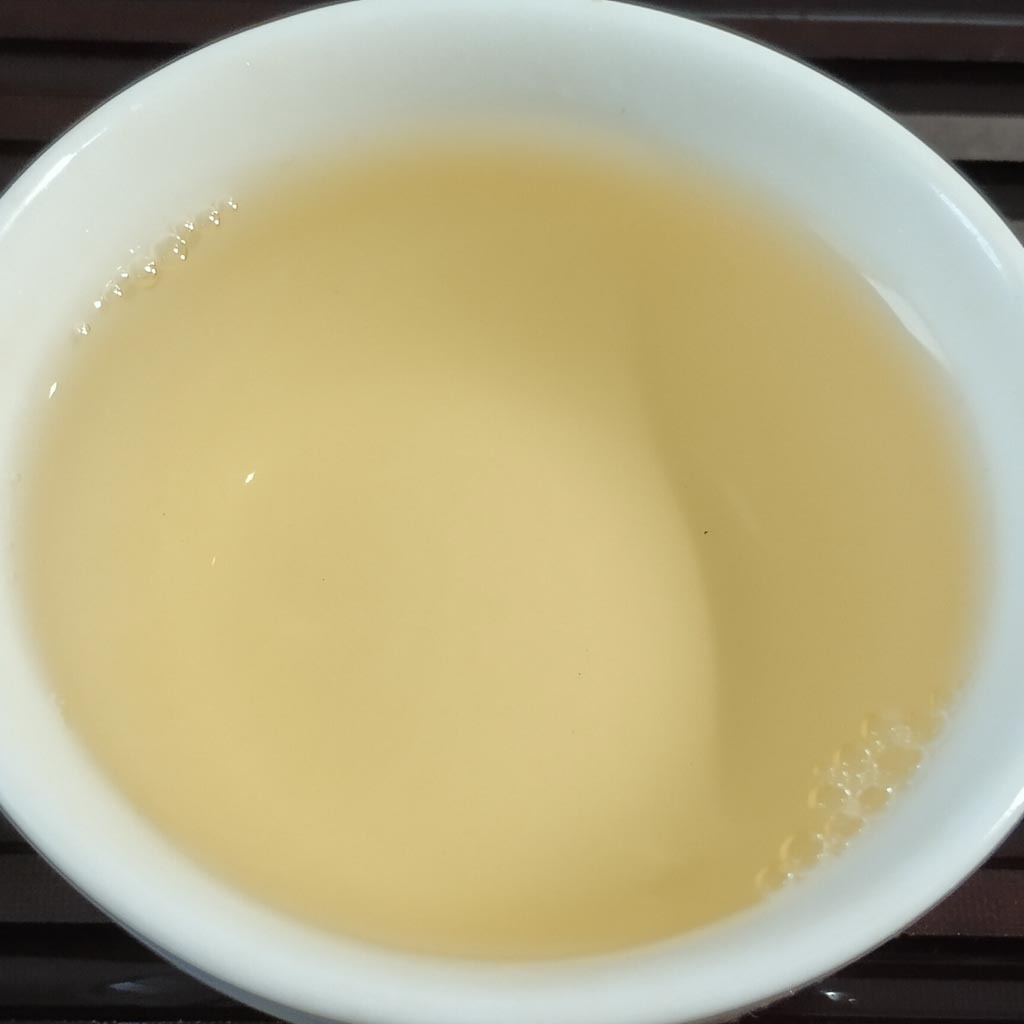
Gong Mei is famous for its “serene” sensory profile. The liquor is a bright golden-amber, reflecting its sun-dried heritage. The aroma is floral and airy, lacking the heavier woody notes of Shou Mei. On the palate, it is remarkably juicy and vibrant, reminiscent of a sunny summer day. It is a staple in our New Arrivals for those seeking a sophisticated daily drinker with imperial pedigree.
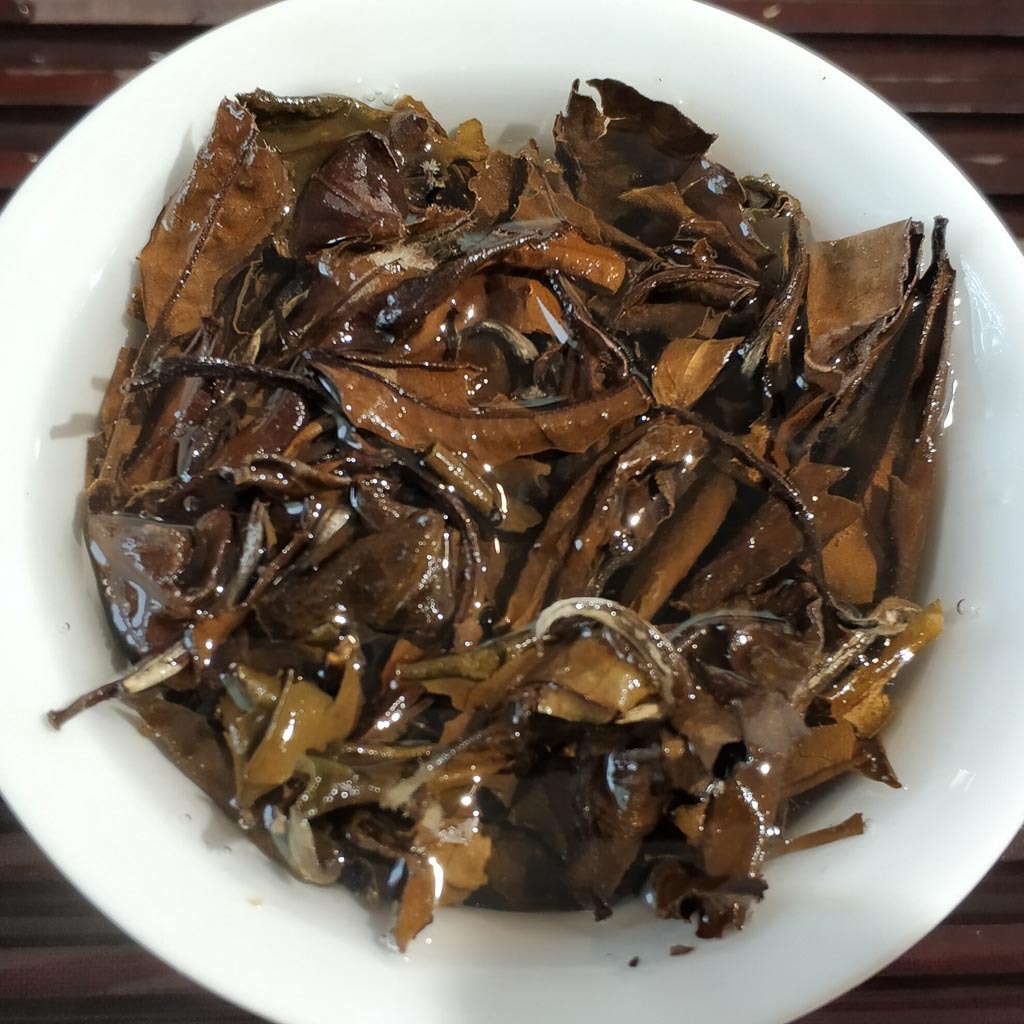
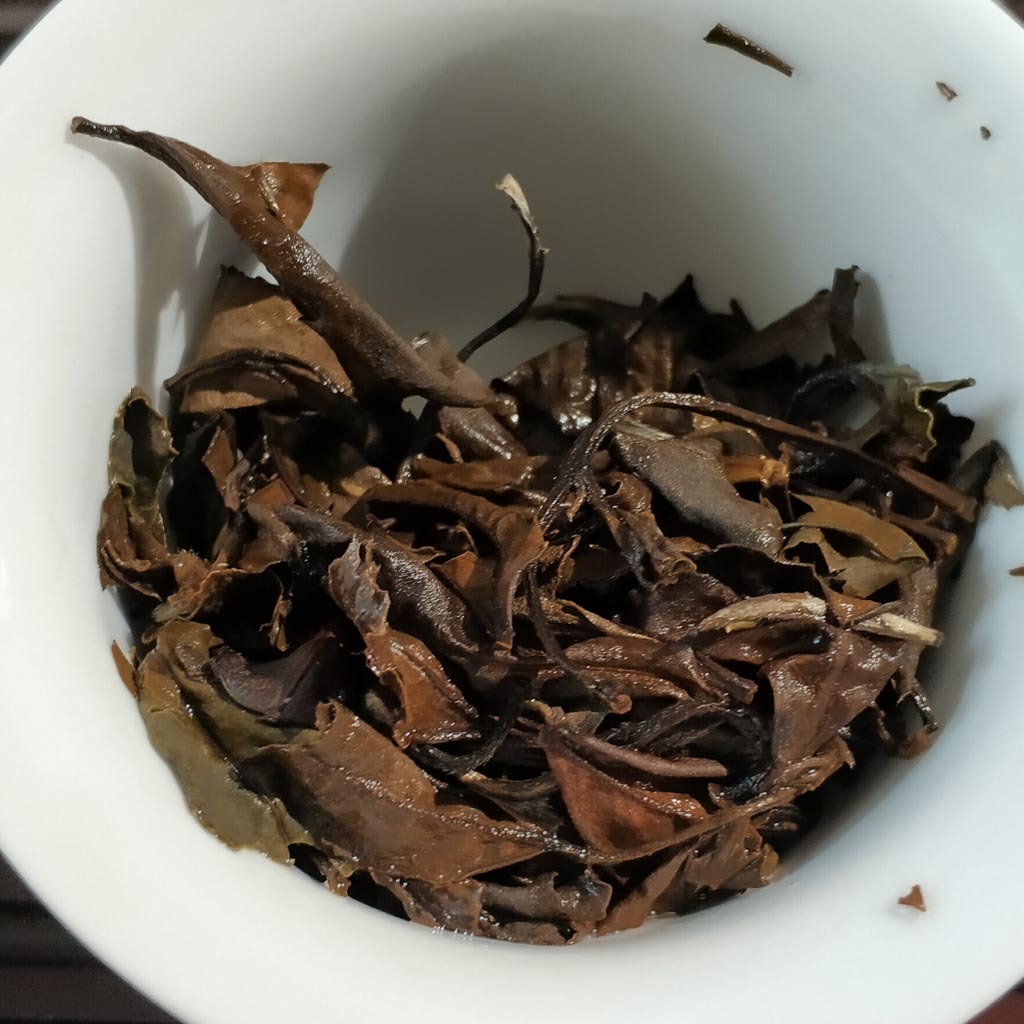
Because Gong Mei contains both buds and leaves, it is very resilient. We recommend using Porcelain Teaware to maintain a stable temperature during steeping.
3g per 500ml
Temp: 85°C – 90°C
Time: 3-4 Minutes
Results in a refreshing, breezy brew with light floral notes.
7g per 150ml
Temp: 95°C (203°F)
Steeps: 10+ rounds
Experience the evolution from fresh floral to deep honey-sweetness.
Gong Mei has a higher bud content (approx. 33%) and is plucked from younger leaves, making it more refined and floral than the bolder, woodier Shou Mei.
In traditional tea culture, its light, elegant, and mood-lifting qualities are often contrasted with the “masculine” strength of darker oolongs or aged pu-erhs.
Yes. A 6-hour cold brew in the fridge highlights the juicy, “summer” qualities and produces a very clear, sweet infusion.
Curated for the global tea community.