



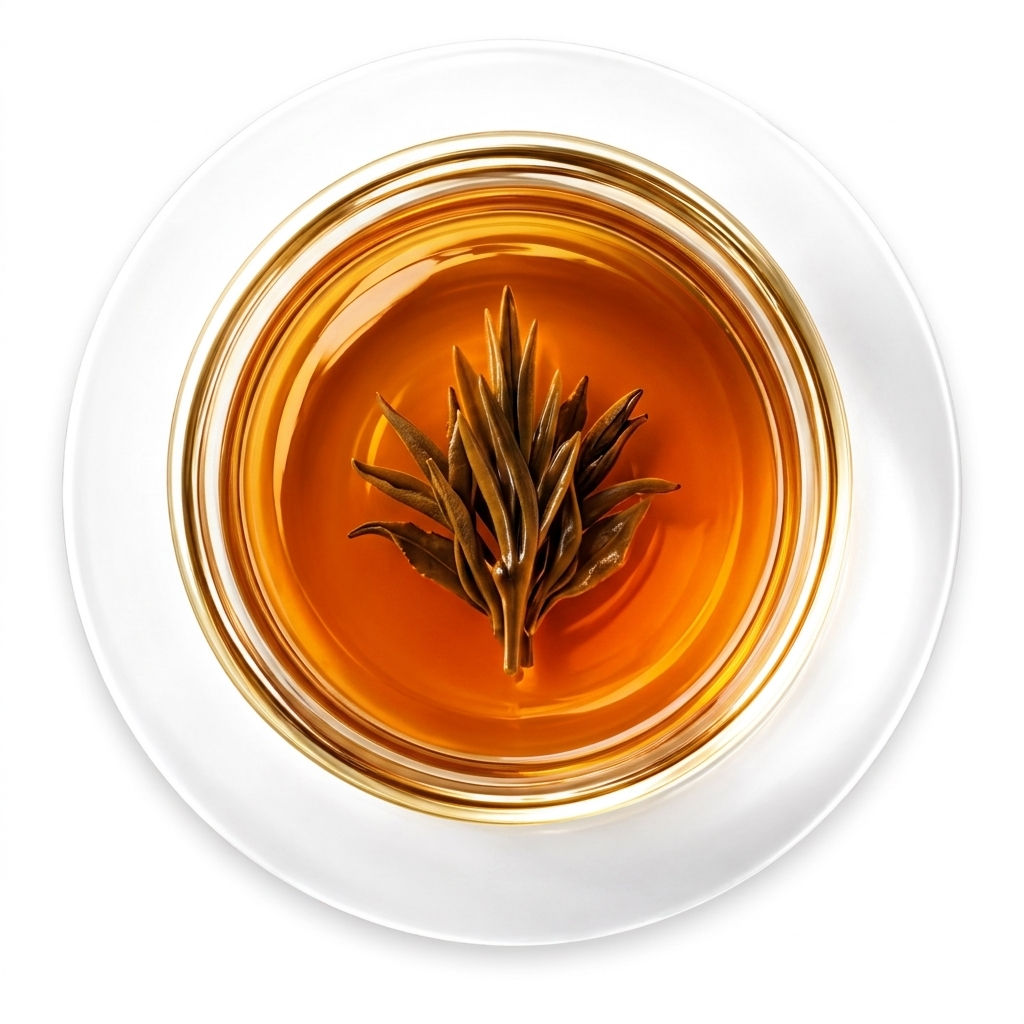

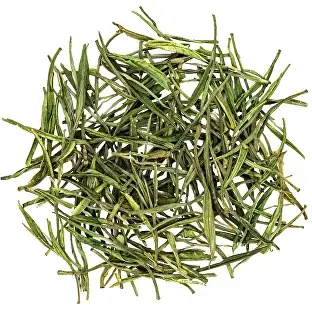
Anji White Tea
⚠️ Connection Notice:
If WhatsApp fails to open, please tap the ··· icon at the top right and select “Open in Browser”.
If WhatsApp fails to open, please tap the ··· icon at the top right and select “Open in Browser”.
Anji White Tea (Anji Bai Cha) is a prestigious member of our Green Tea Collection and a variety that carries one of the most intriguing histories in the world of tea. Although mentioned in The Classic of Tea by Lu Yu, this aromatic beverage was lost to time for centuries before being rediscovered in the lush mountains of Anji, China.
Historically, Anji White Tea was the favorite beverage of emperors during the Song Dynasty. However, for unknown reasons, the cultivation of these specific tea bushes ceased entirely. It wasn’t until the 20th century that an expedition rediscovered the ancient tea bushes. With state support, production resumed, allowing tea lovers once again to experience the legendary flavor of Anji White Tea.
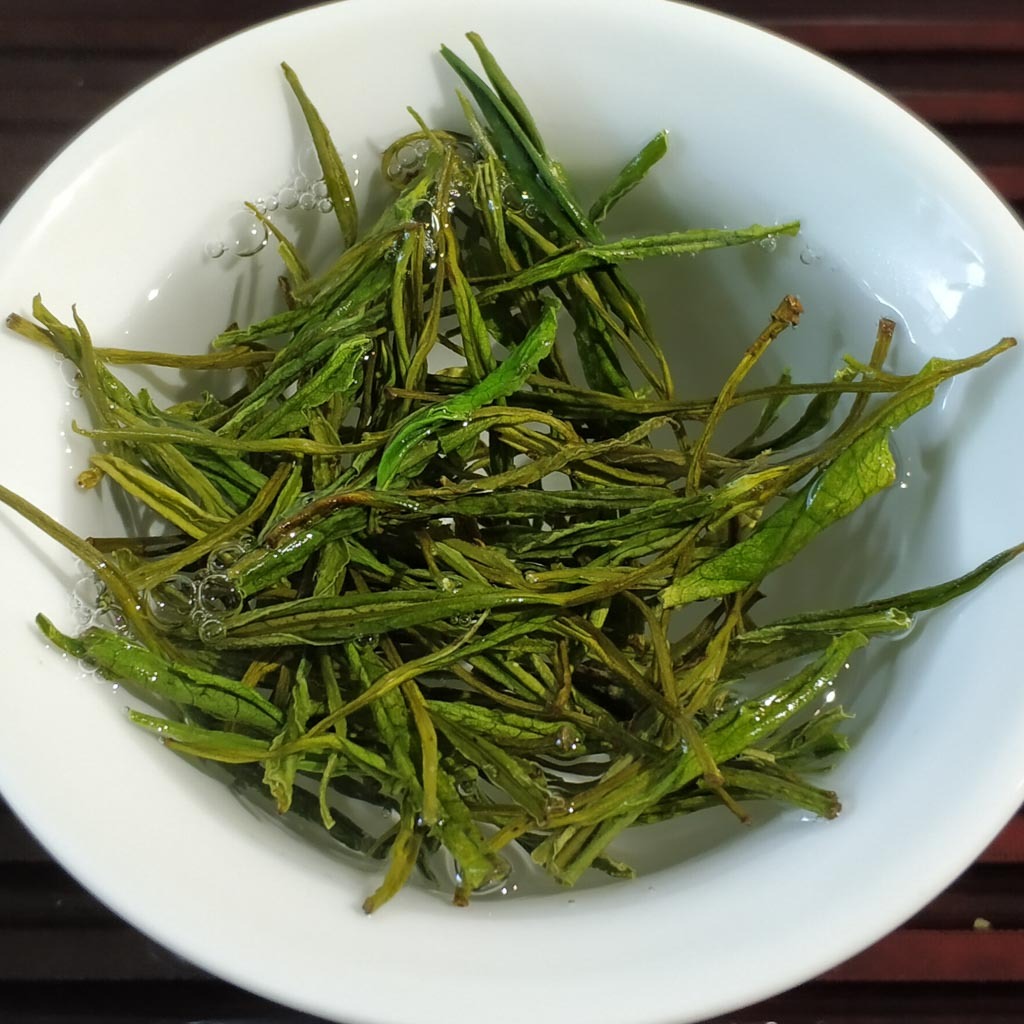
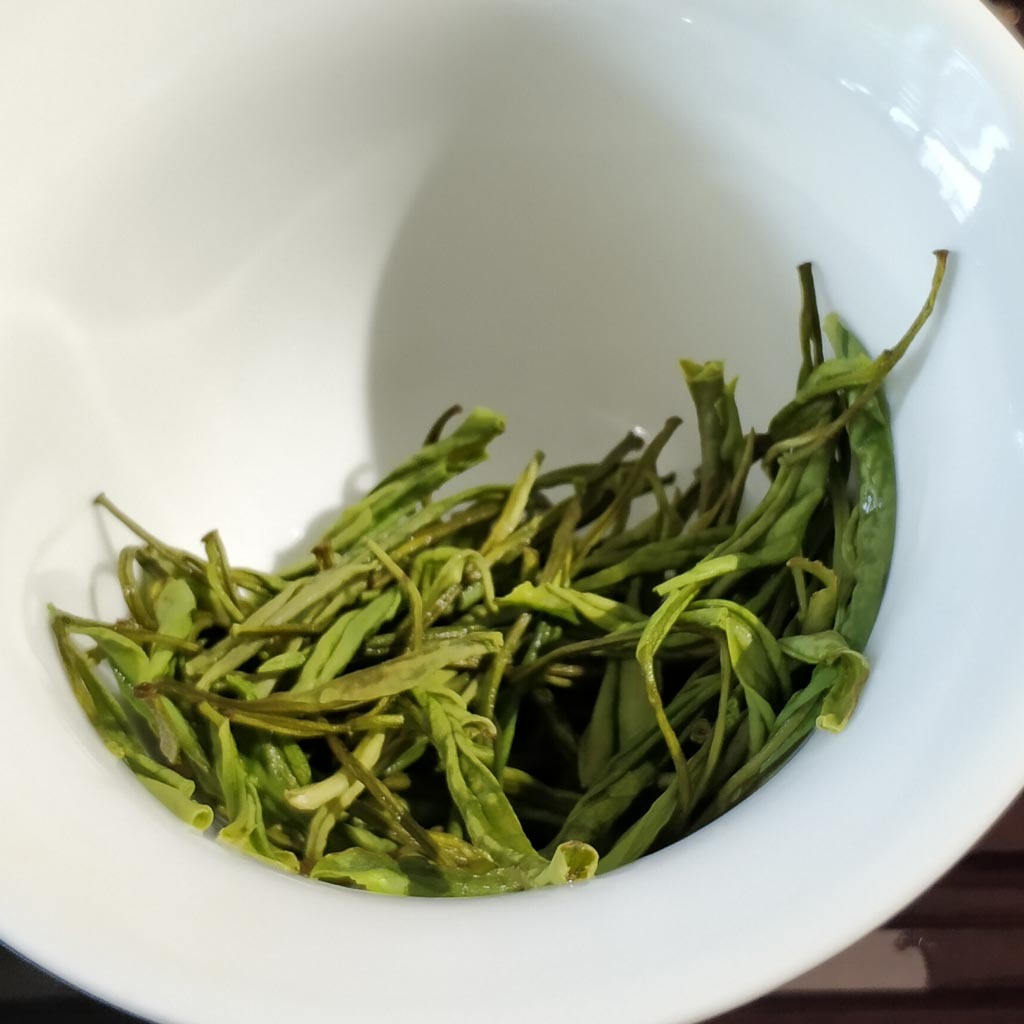
Because the buds on the tea bushes appear almost white, Anji White Tea is often misclassified by name. However, based on its manufacturing process, it is strictly a green tea. The leaves are harvested when the chlorophyll levels are at their lowest—only for a few weeks in early spring—resulting in a leaf that is jade-colored and translucent, unlike any other variety.
To produce authentic Anji White Tea, only the top leaf and young buds are selected. These are chosen when they are at their brightest stage. This unique “albino” state gives the tea its signature refreshing taste and a liqueur that is exceptionally clear. The lack of chlorophyll means the tea is low in bitterness and high in sweetness.
To fully appreciate Anji White Tea, use lower water temperatures to protect the high amino acid content. A tall glass vessel is recommended to watch the “needles” stand upright as they steep.
3g per 400ml
Temp: 80°C (176°F)
Time: 2 Minutes
Highlights the silky texture and refreshing orchid notes.
4g per 150ml
Temp: 85°C (185°F)
Steeps: 3-4 rounds
Experience the deep umami flavor evolving with each steeping.
Technically, Anji White Tea is a green tea because it is pan-fired or roasted to stop oxidation, rather than being withered like a true white tea.
The harvest window for Anji White Tea is extremely short (about 20-30 days), and the specific albino bushes are rare and difficult to maintain.
Curated for the global tea community.