

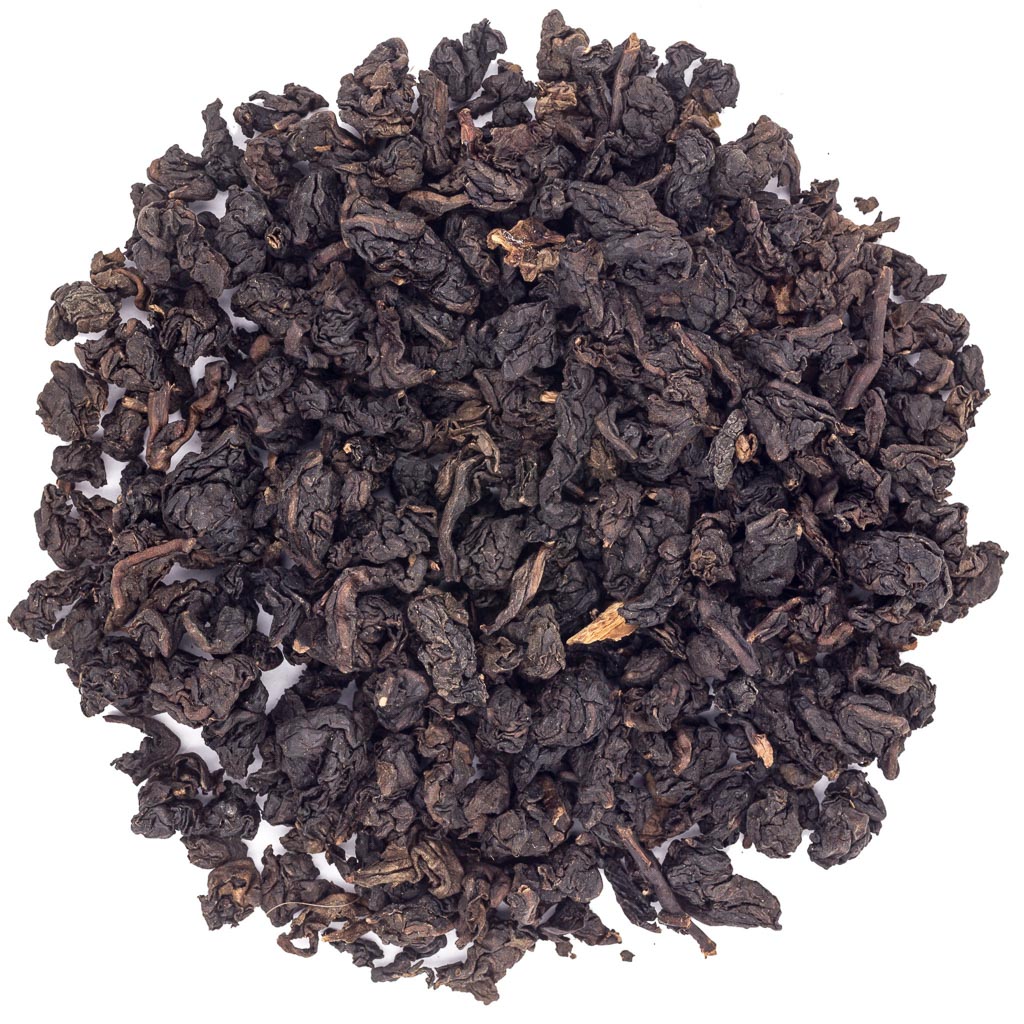
Iron Goddess of Mercy: The Wisdom of Age
Decoding the Medicinal Charm and Velvety Soul of Decades-Old Tieguanyin
Deep Dive Navigation
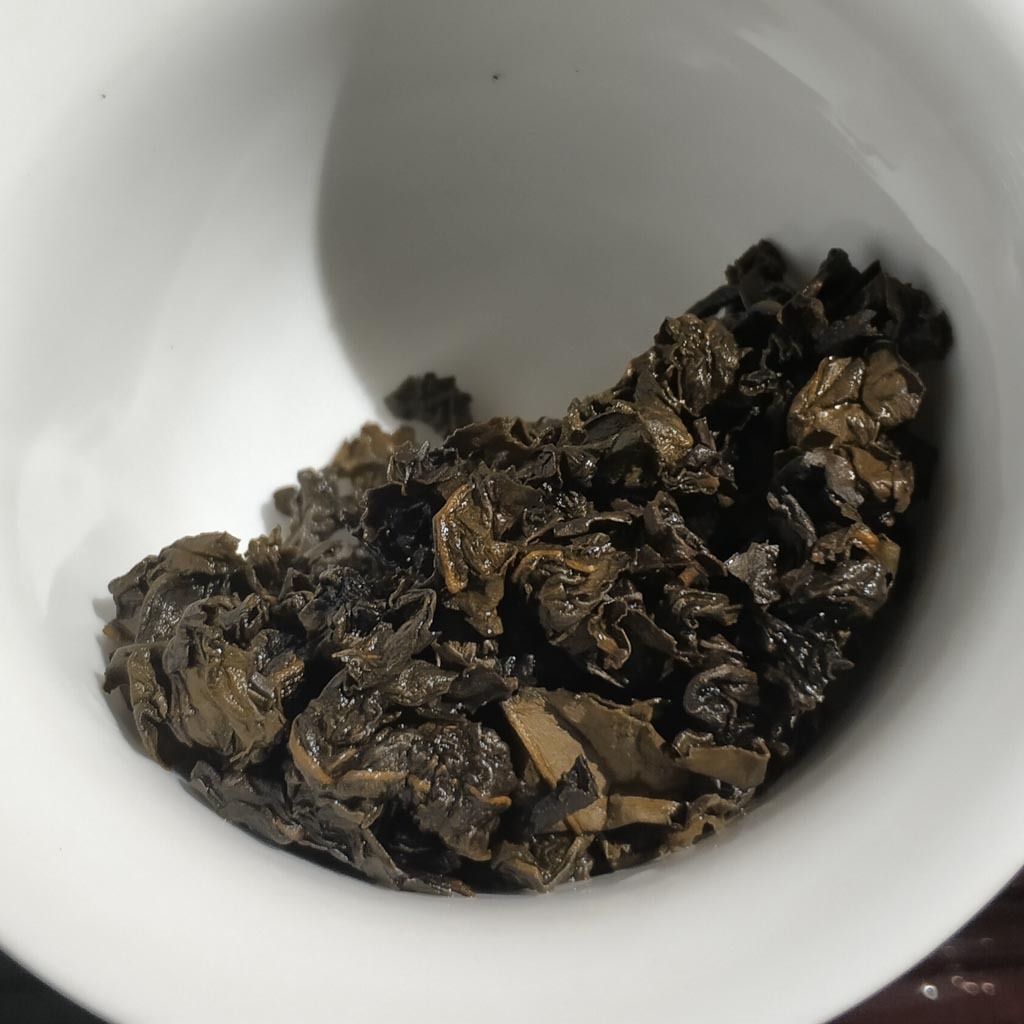
While most tea enthusiasts seek the fresh “orchid fragrance” of young Oolongs, connoisseurs of Iron Goddess of Mercy (Tieguanyin) eventually find their way to “Lao Tie”—the aged variety. This rare category is not merely old tea; it is a living entity that has undergone decades of transformation. Through a cycle of periodic roasting and careful storage, Iron Goddess of Mercy sheds its youthful exuberance to gain a profound, medicinal depth and a smoothness that only time can bestow. As a highlight of our Vintage Cellar Series, it offers a window into the soul of traditional Oolong artistry.
The Alchemy of Aging
Aging an Iron Goddess of Mercy is a test of patience. High-quality leaves are selected for their thick, nutrient-rich structure, which provides the necessary “bones” for aging. Unlike white teas or Pu-erh, aged Tieguanyin is historically influenced by the colonial trade routes of Southeast Asia, where families would keep tea for years as a domestic remedy. According to Wikipedia’s entry on Tieguanyin, the traditional “Nong Xiang” style serves as the foundation for this variety, evolving into a complex dark brew over 10, 20, or even 50 years.
Sensory Profile: From Fire to Medicine
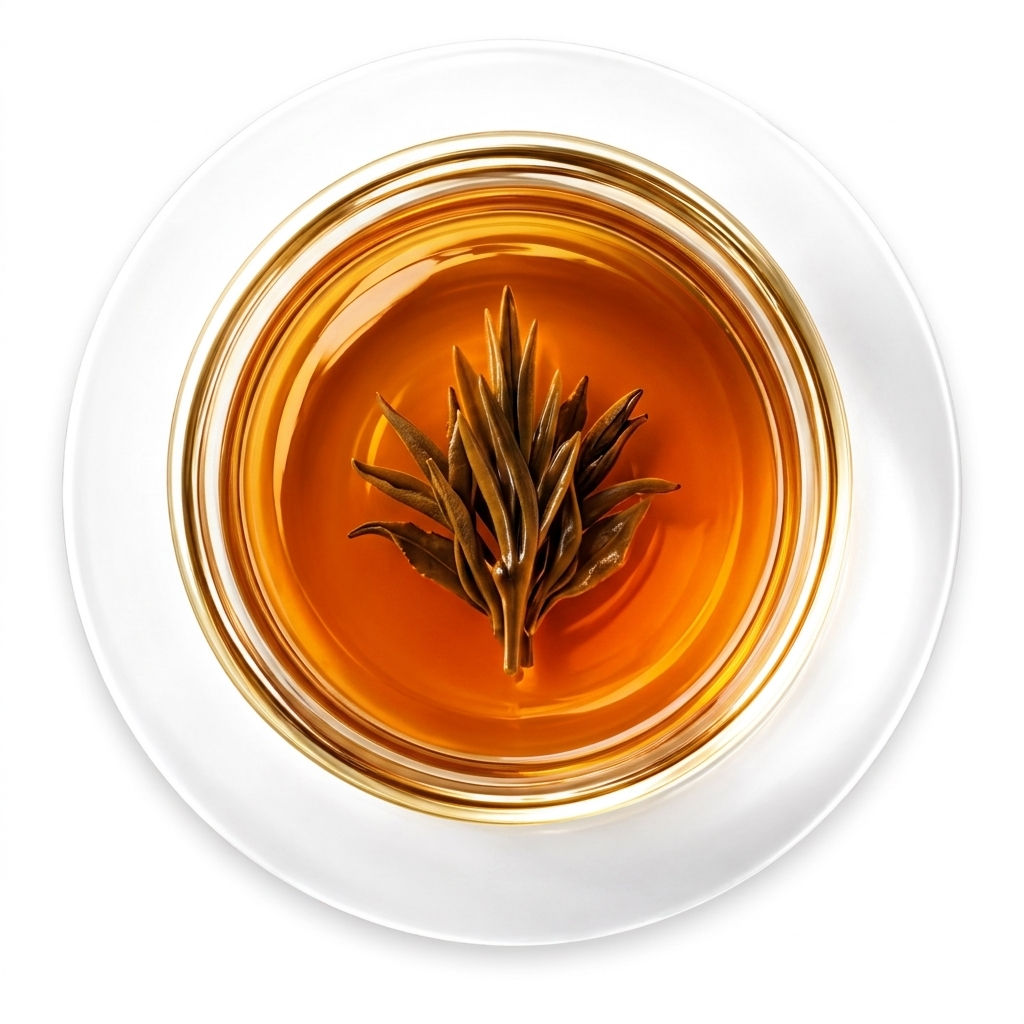
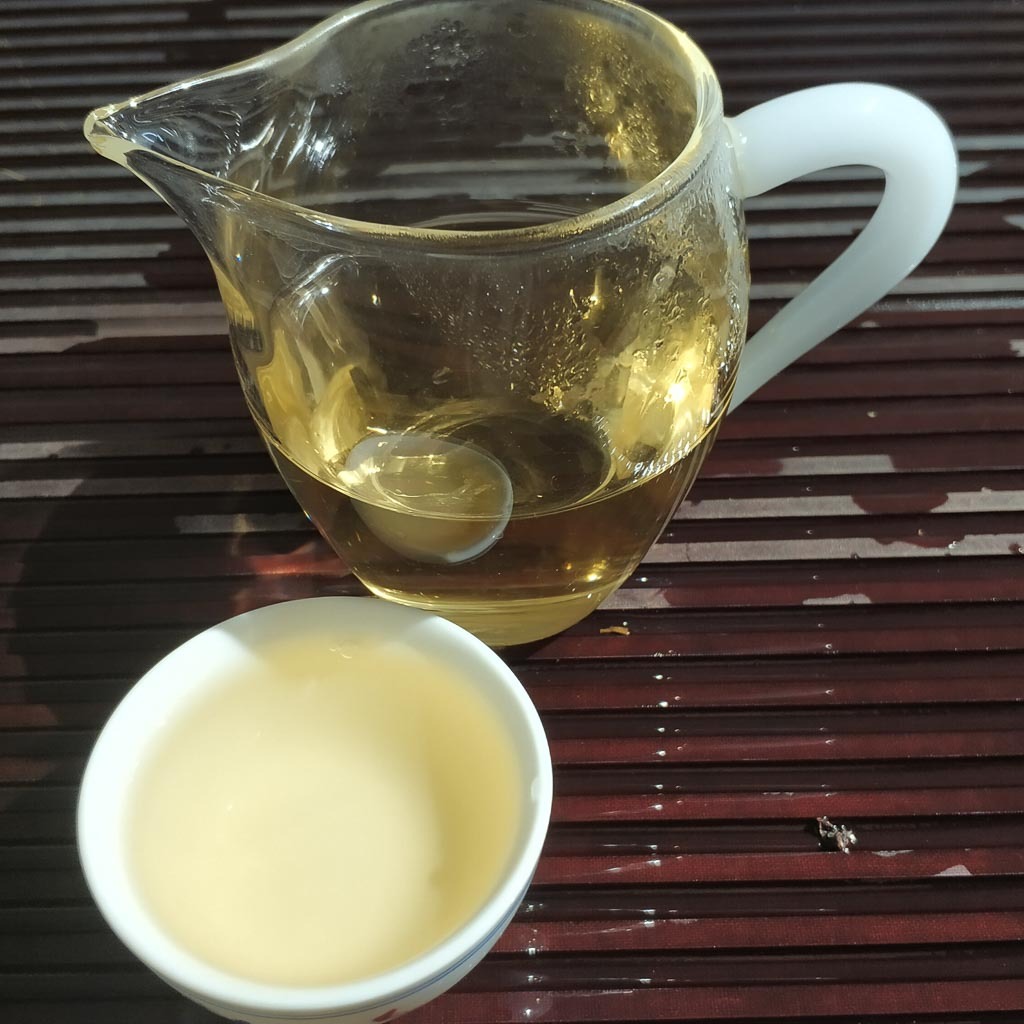
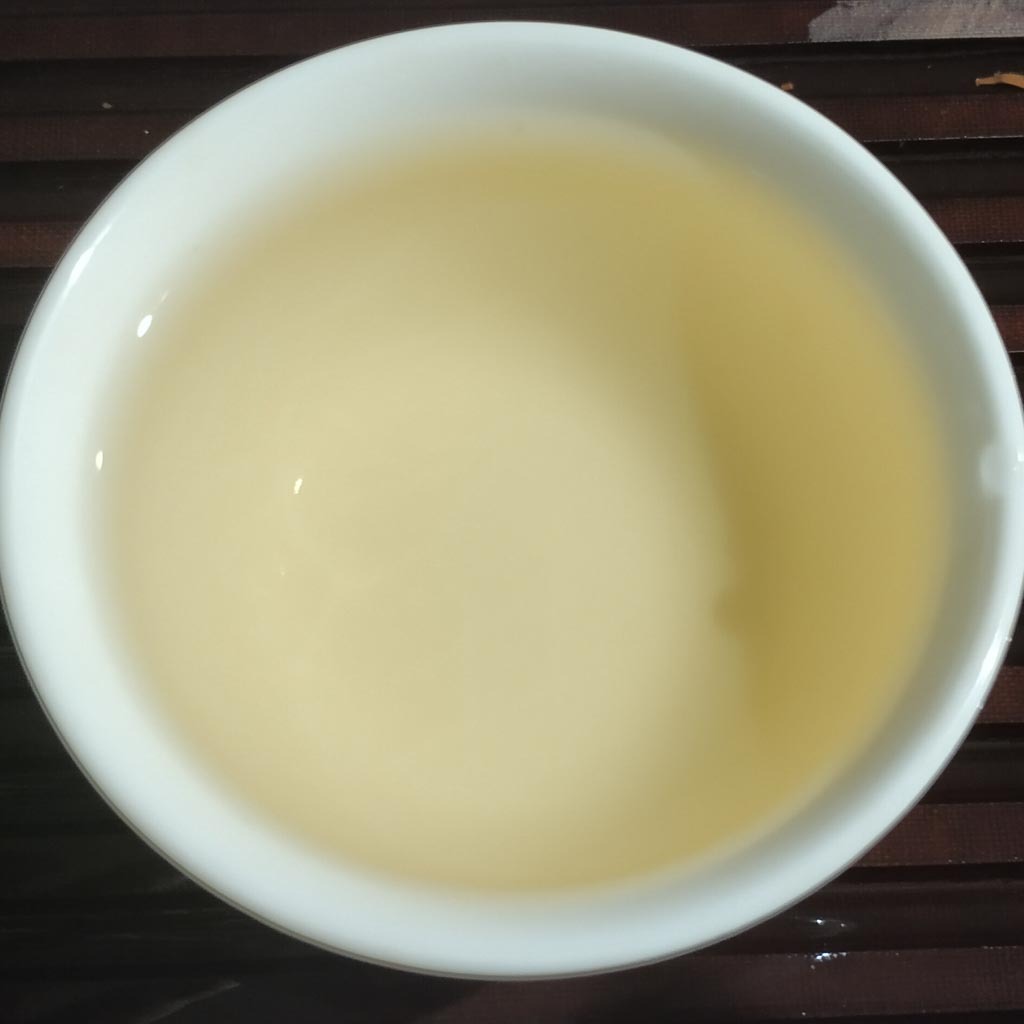
The journey of Iron Goddess of Mercy through the decades is sensory magic. Years 1-5: The tea retains its roasted, nutty character with a lingering charcoal finish. Years 10-20: The “fire” subsides, replaced by notes of dried plum, dark chocolate, and the signature “Chen Xiang” (aged aroma). Years 30+: The liquor becomes remarkably dark, resembling an old Cognac, with a complex aroma of traditional Chinese medicine (Yao Xiang) and a sweetness that feels thick and oily on the tongue. In the Premium Vintage Market, this aromatic tea is prized for its ability to settle the stomach and calm the mind.
- Medicinal Depth: A soothing, earthy aroma unique to well-stored aged Oolongs.
- Plum Sweetness: A natural tart-sweetness that develops during long-term oxidation.
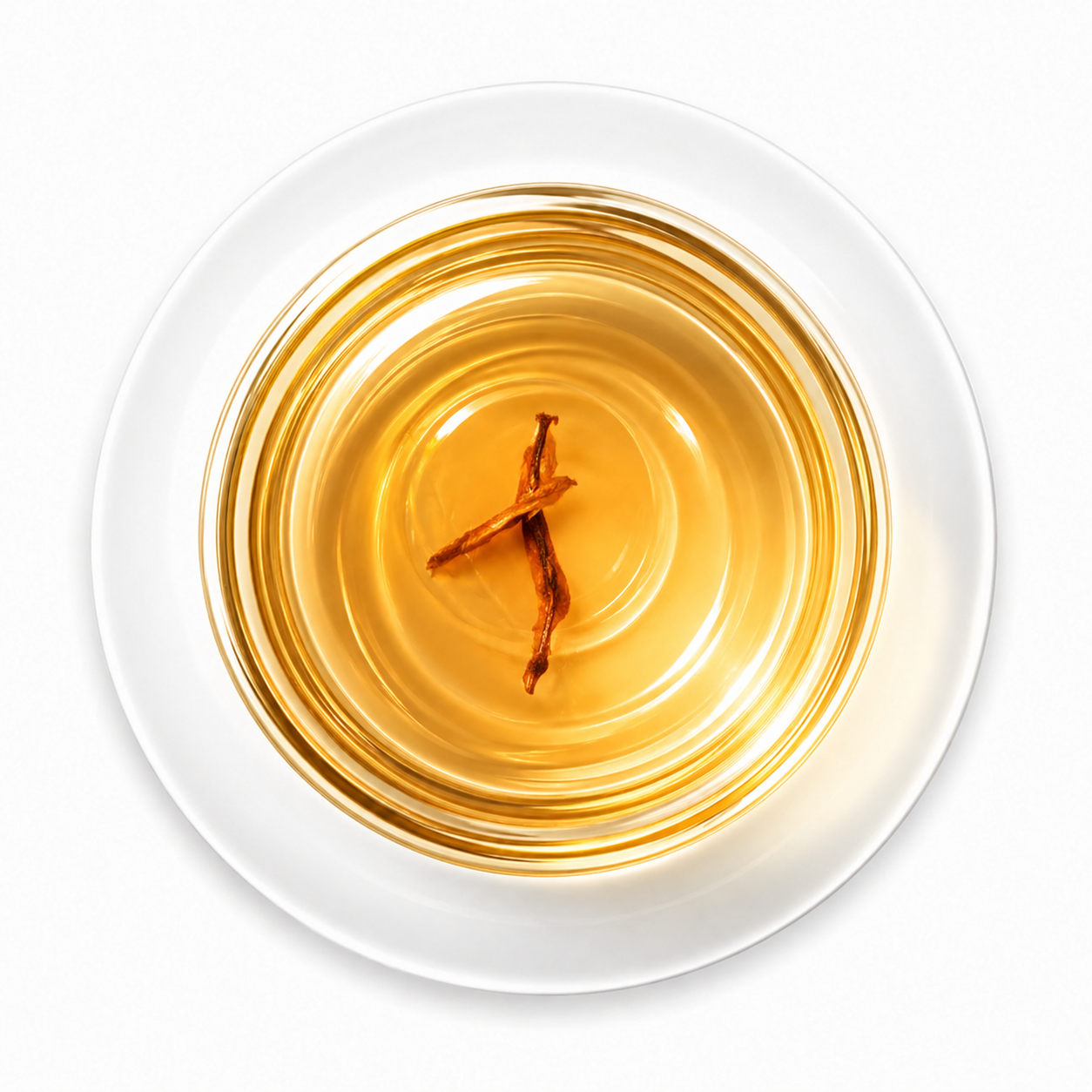
- Dark Amber Liquor: A clear, jewel-like brown infusion that glows with maturity.
- Extreme Smoothness: Zero astringency; the tea glides down the throat like silk.
The “Aged” Healing Benefits
In traditional Cantonese and Fujianese culture, Iron Goddess of Mercy was often treated as a “family medicine.” Because of its gentle, warming nature after years of oxidation and roasting, it is believed to help with digestion, reduce “internal heat,” and promote longevity. The biochemical changes during aging—where caffeine levels often decrease while beneficial polyphenols transform—make this variety an ideal choice for evening consumption or for those with sensitive stomachs.
Re-Roasting: The Master’s Secret
True Iron Goddess of Mercy is not simply left in a jar. Every few years, a tea master must decide whether the tea needs a “refreshing” roast. This low-heat charcoal firing removes any moisture the leaves may have absorbed and helps steer the aging process toward a clean, sweet profile rather than a musty one. This cycle of roasting and resting is what gives this variety its characteristic stability and prevents it from souring over the decades.
Connoisseur’s Insight: To identify a genuine Iron Goddess of Mercy that has been aged properly, look for the “Frost.” On very old leaves, a white, crystalline substance (not mold!) may appear—this is the natural caffeine and oils crystallizing on the surface, a sign of extreme age and quality.
A Collectible Legacy
Much like fine wine, this legendary Oolong has become a significant investment piece. Vintage jars of Tieguanyin from the 1970s and 80s are highly sought after in international auctions. The rarity of well-processed, long-aged Iron Goddess of Mercy ensures that its value only increases over time, making it not just a beverage, but a piece of liquid history. Many collectors buy 10-year-old “Lao Tie” today to age it for their grandchildren, continuing a centuries-old tradition.
The Ritual of the Old Clay Pot
To release the compressed energy of Iron Goddess of Mercy, high heat and porous clay are your best friends. The tea has “slept” for years and needs to be awakened gently.
🫖 Zisha (Purple Clay)
8g per 150ml
Temp: 100°C (Boiling)
Steeps: 30s (Awakening), 20s, 30s, 45s…
The clay retains heat and rounds out any residual roasted notes, highlighting the medicinal sweetness.
🍵 Ceramic Bowl
5g per 250ml
Temp: 98°C (208°F)
Time: 2-3 Minutes
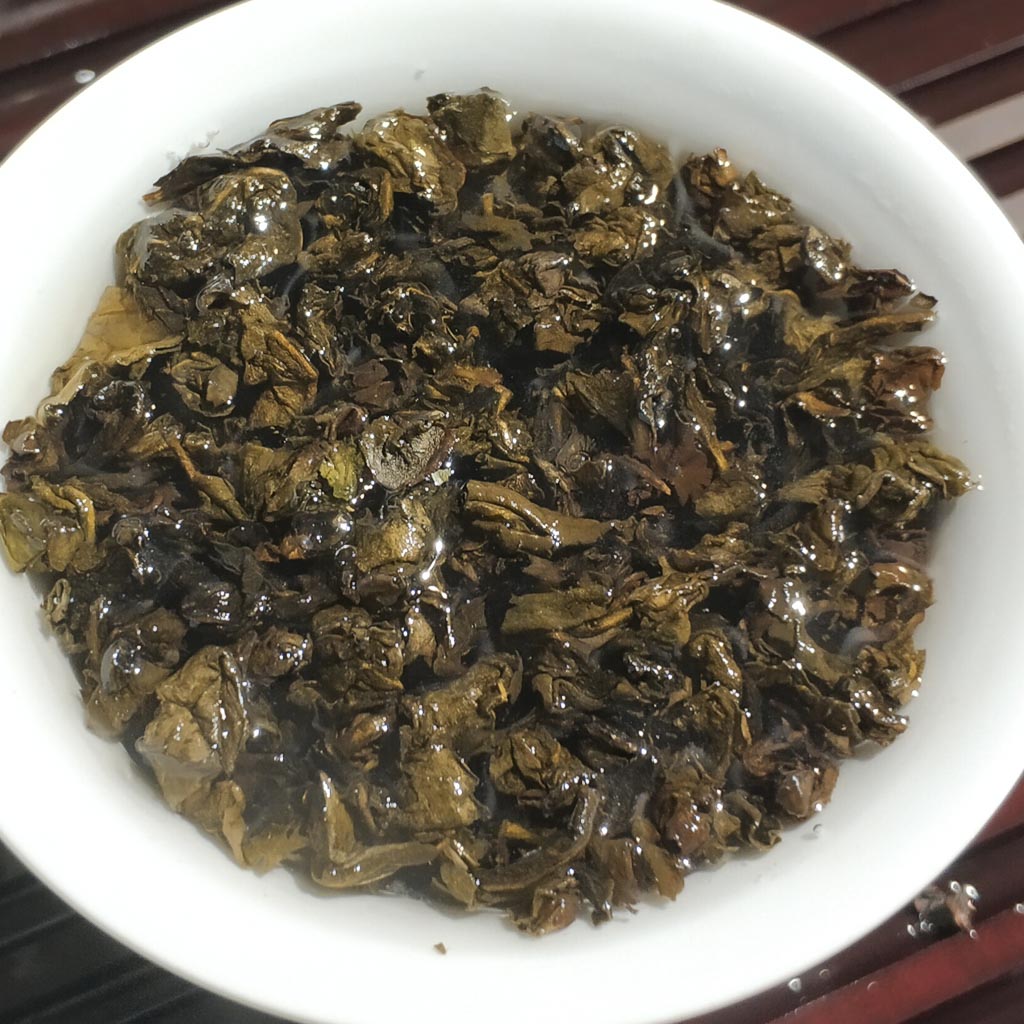
A more meditative way to watch the dark, curled leaves slowly unfurl and release their essence.
🔍 Aged Iron Goddess of Mercy FAQ
Does aged tea go bad?
If stored in an airtight, dry, and odor-free environment, Iron Goddess of Mercy can last indefinitely. It doesn’t spoil; it transforms.
Why is the liquor so dark?
This is the result of long-term oxidation and the cumulative effect of periodic charcoal roasting. It is a sign of a high-quality “Lao Tie.”
Is it more caffeinated?
Usually, no. The aging and roasting processes tend to break down caffeine molecules, making this variety gentler on the nervous system than fresh green Oolongs.