
Yunnan Gold
⚠️ Connection Notice:
If WhatsApp fails to open, please tap the ··· icon at the top right and select “Open in Browser”.
If WhatsApp fails to open, please tap the ··· icon at the top right and select “Open in Browser”.
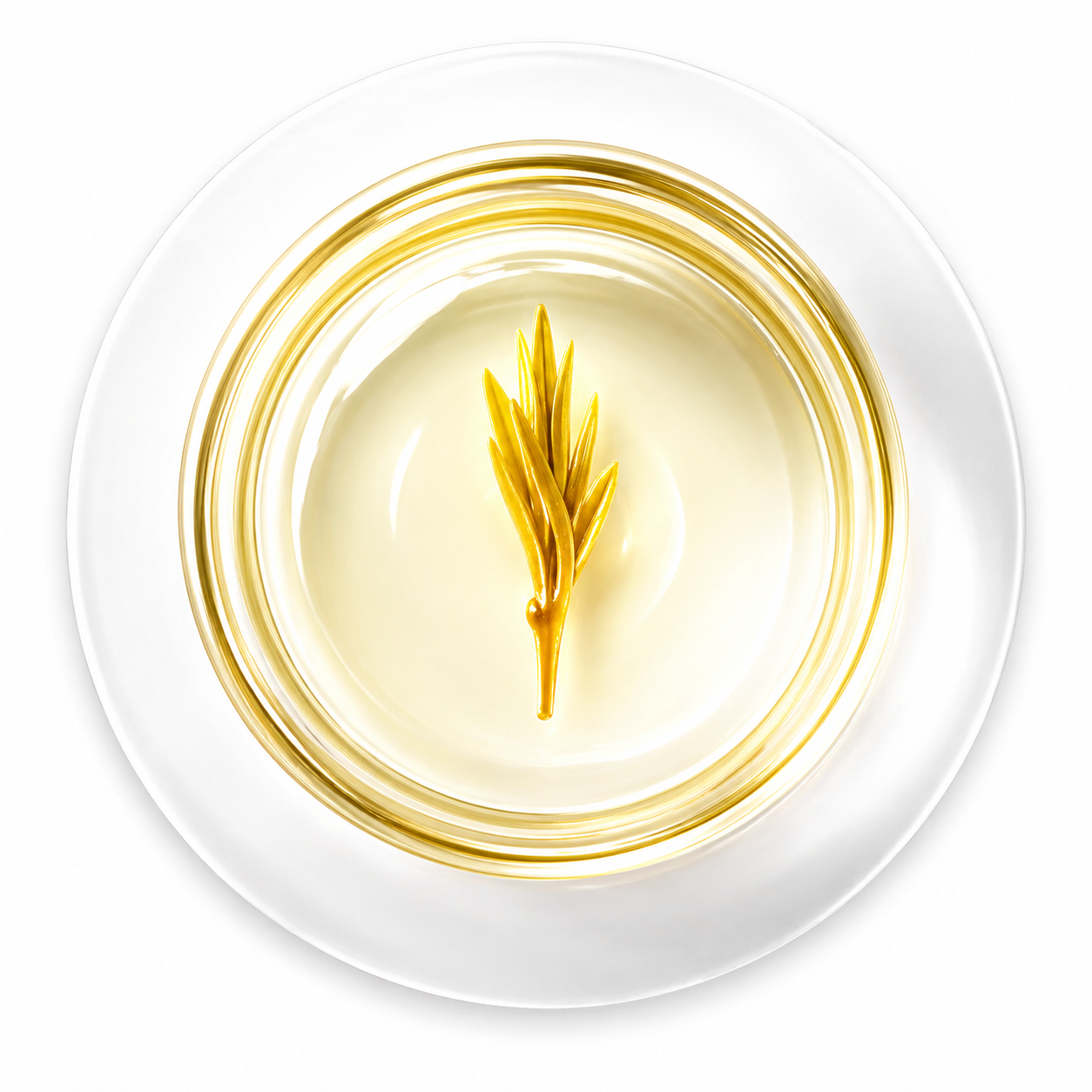
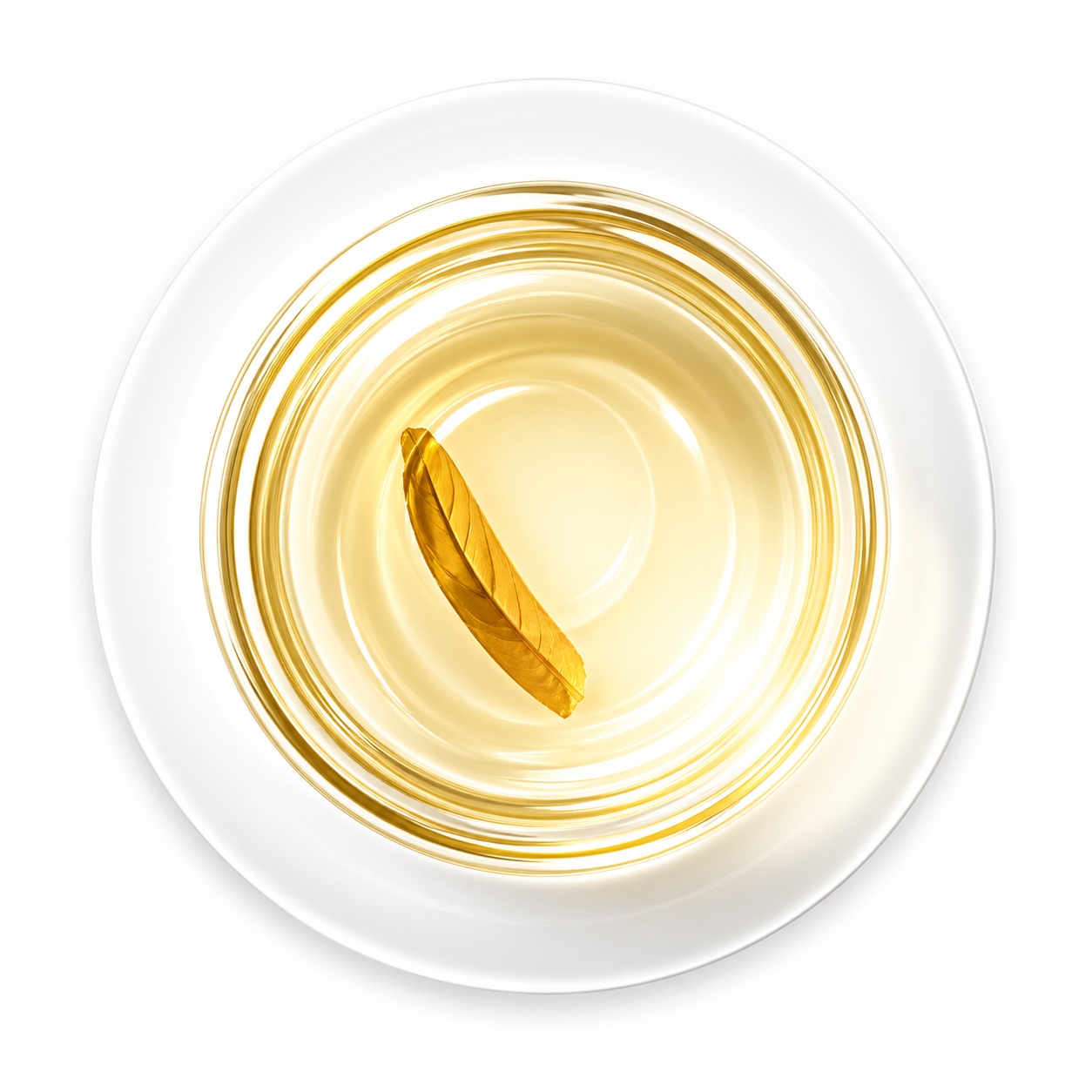
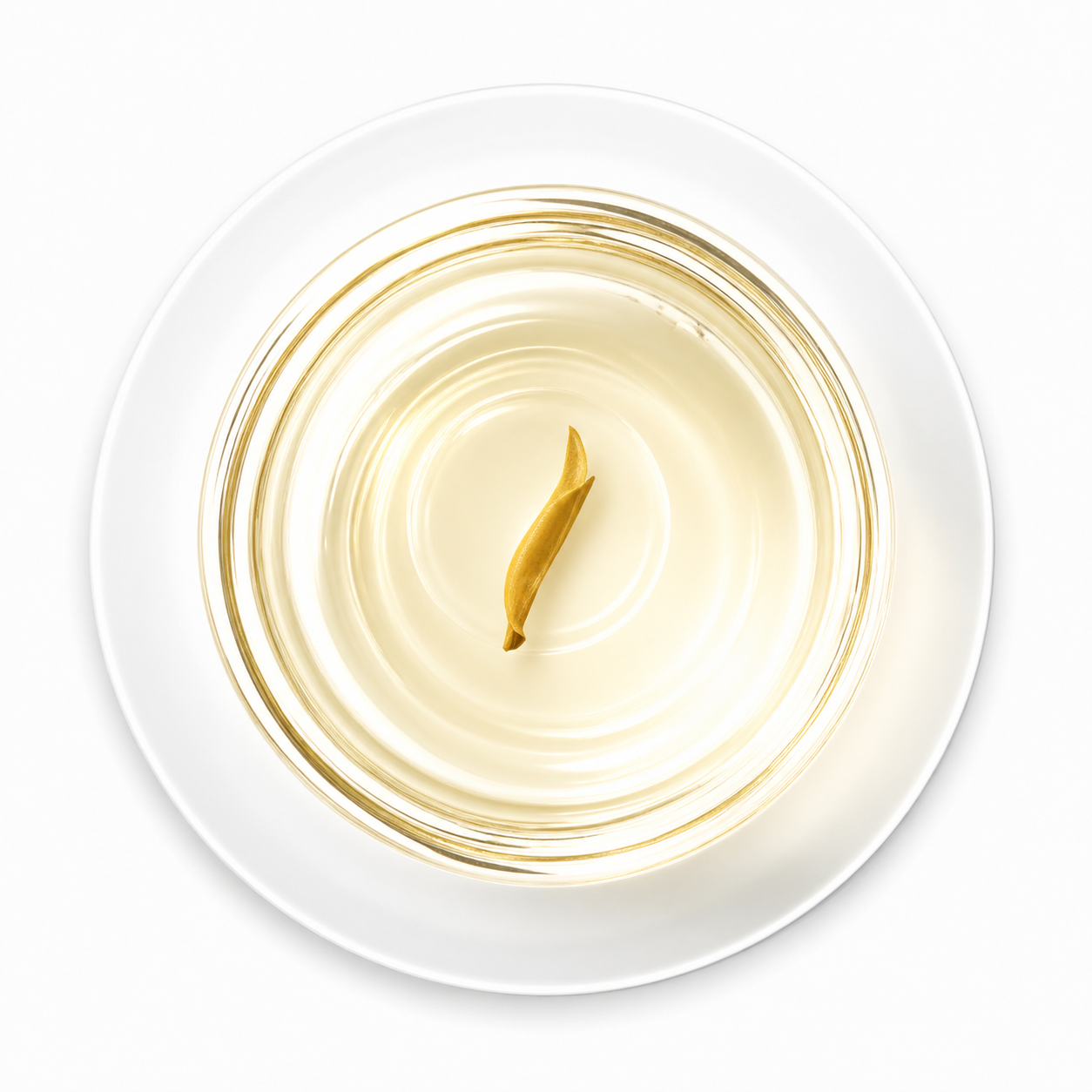
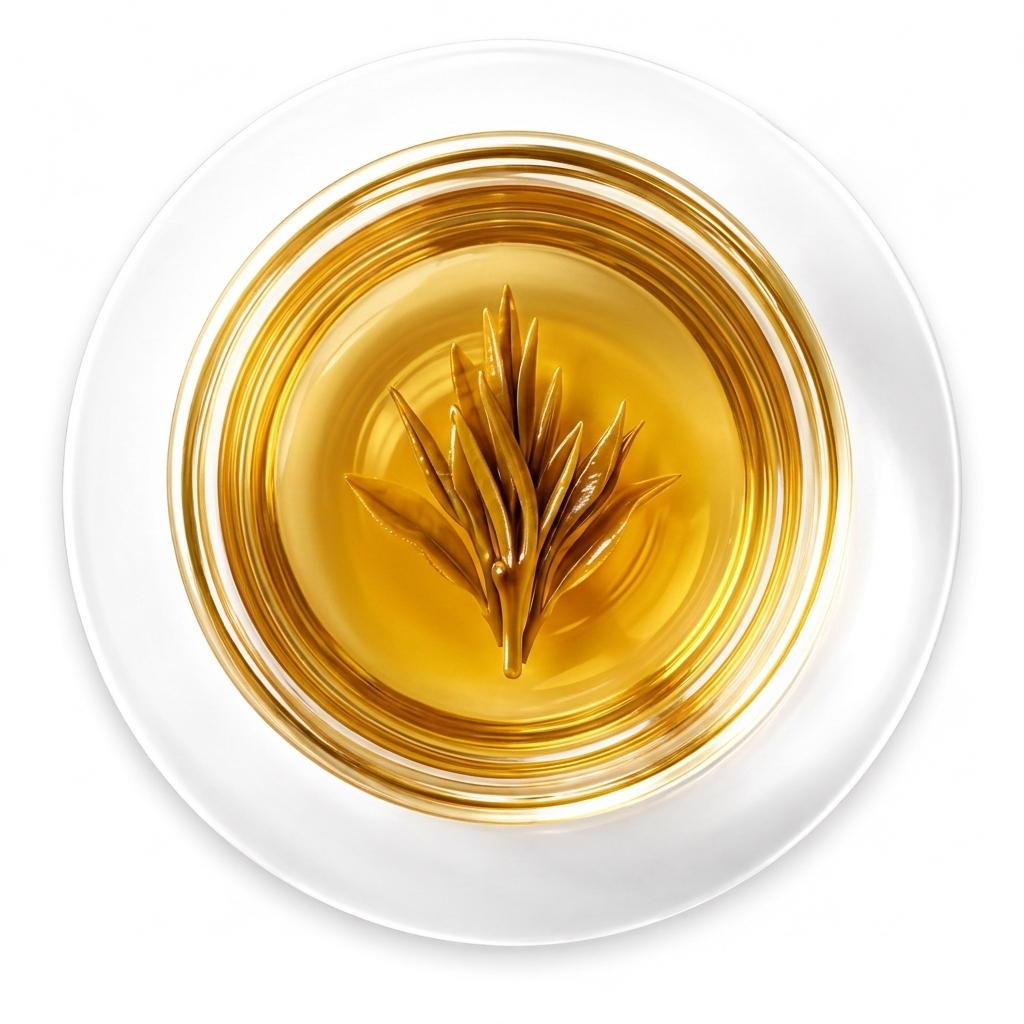
Yunnan Gold (Dian Hong) represents the pinnacle of China’s “Big Leaf” black tea tradition. Harvested from the ancestral home of tea in Southwest China, this premium variety is instantly recognizable by its high concentration of fuzzy, golden-orange buds. Unlike the darker, smoky teas of the east, this golden variety is celebrated for its incredibly smooth, honey-like texture and its lack of bitterness. As a cornerstone of our Gourmet Black Tea Collection, it offers a bold yet refined experience that captures the warmth of the Yunnan sun.
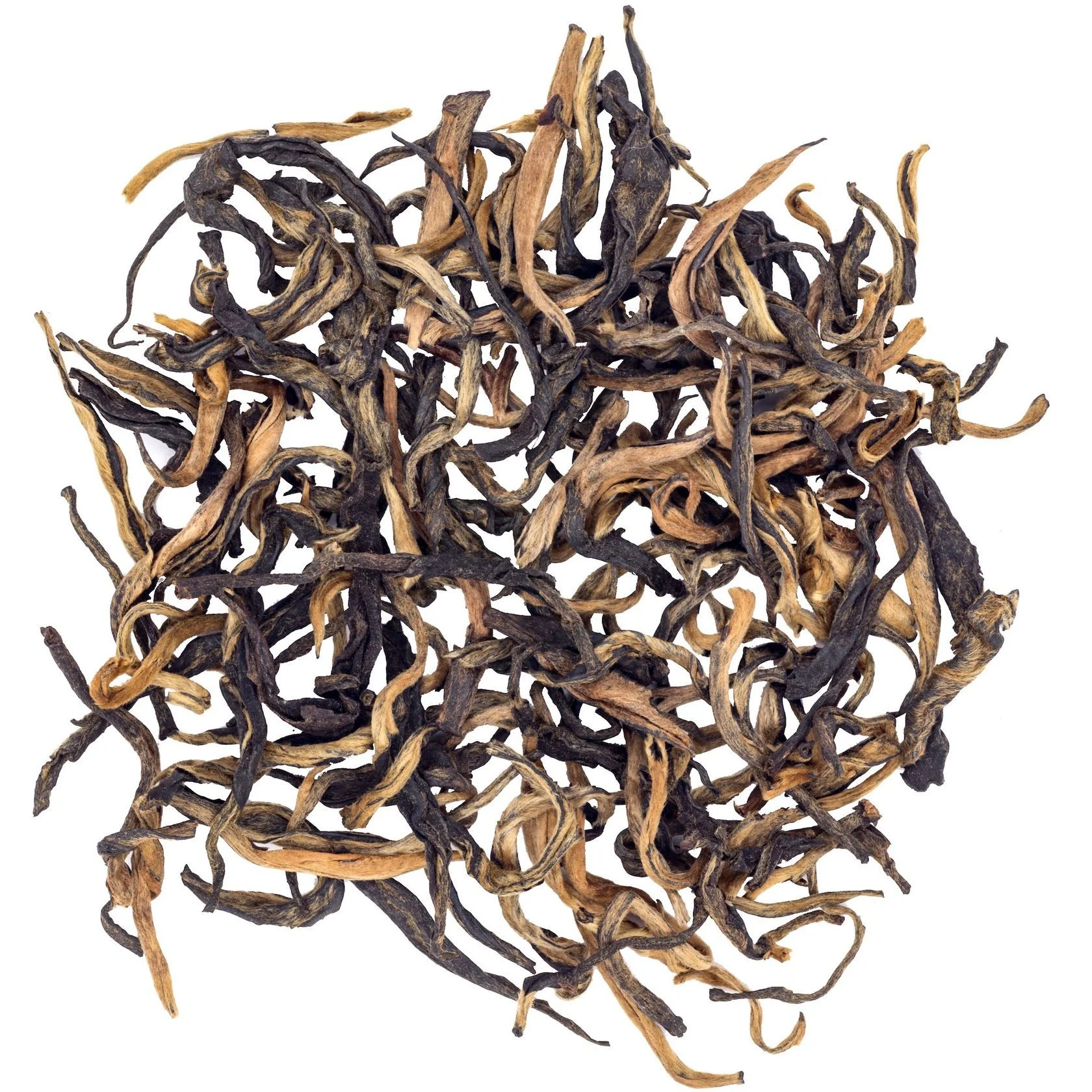
Historically, Dian Hong black tea was developed in the late 1930s, but it quickly rose to global fame due to its unique “Assamica” lineage. Yunnan Gold specifically refers to the highest grade of this tea, where only the most tender, nutrient-rich buds are selected. These buds are covered in “fine hairs” (trichomes) that turn a brilliant gold during the oxidation process. This distinctive trait is more than aesthetic; it indicates a tea high in amino acids and theaflavins, resulting in a cup that is both energizing and soothingly sweet.
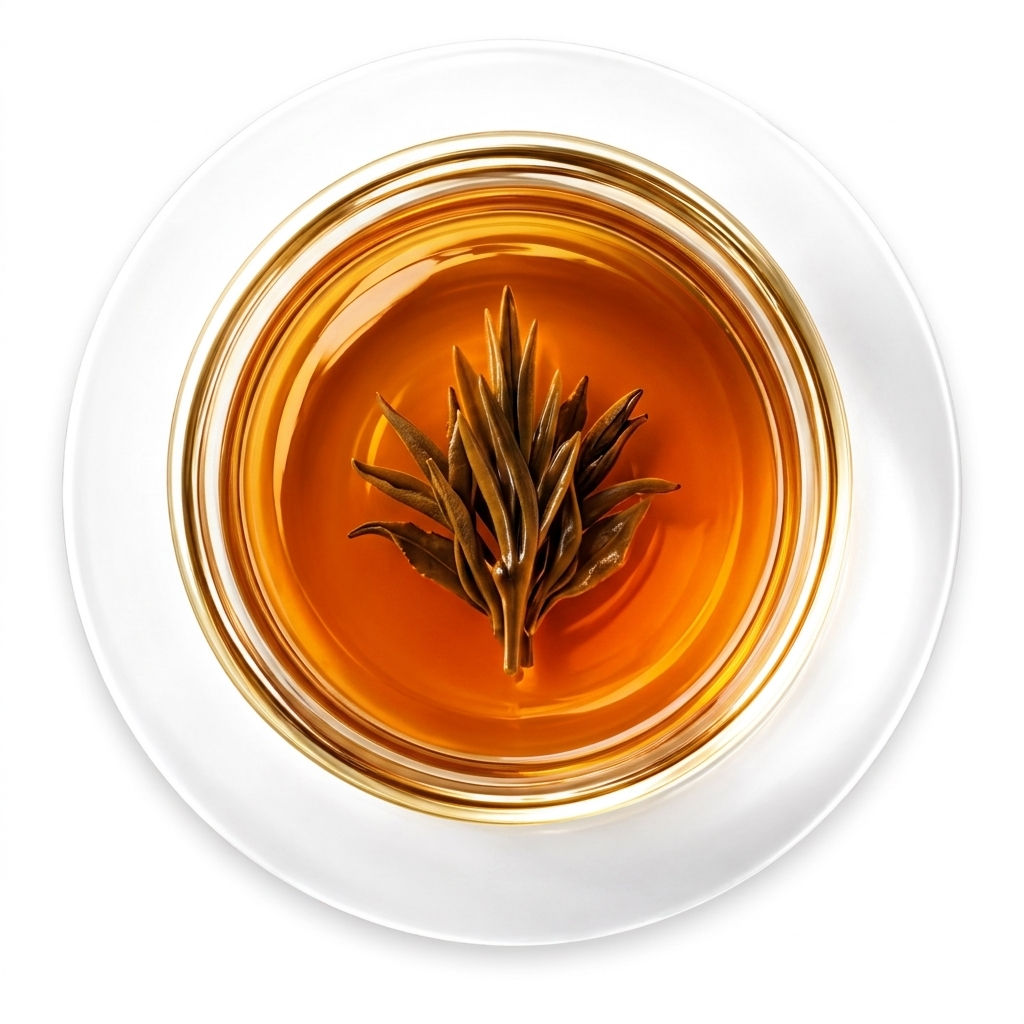
In the world of Artisan Chinese Teas, few leaves are as beautiful as those of Yunnan Gold. The dry leaves are a mix of dark mahogany and vibrant gold. When steeped, they unfurl to reveal the sturdy structure of the ancient “Da Ye” (Big Leaf) cultivar. The high altitude of the Yunnan-Guizhou plateau—often exceeding 1,800 meters—slows the growth of these buds, concentrating the natural sugars and creating the deep, malty profile that fans of this nectar-like tea adore.
The flavor of Yunnan Gold is an exquisite journey through the warm spectrum of taste. Upon the first infusion, the aroma is reminiscent of wild honey and sweet potatoes. As the liquor hits the palate, you will notice a thick, malty body with secondary notes of dark cocoa and dried apricots. It is a “comfort tea” in the truest sense, providing a rich mouthfeel without the sharp tannins found in many other black tea varieties.
The secret behind the success of Yunnan Gold lies in the red, volcanic soil of regions like Fengqing and Lincang. This soil is incredibly rich in minerals, which, combined with the high-altitude ultraviolet light, encourages the tea plants to produce thick, juicy leaves. As discussed in geographical studies of Yunnan Province, the “eternal spring” climate allows for a long growing season, ensuring that every bud is packed with flavor and antioxidants.
Crafting this golden black tea requires masterful precision. The leaves undergo a long withering process to reduce moisture, followed by rolling to break the cell walls and initiate oxidation. The “magic” happens during the drying phase, where the temperature must be carefully controlled to preserve the delicate golden fuzz on the buds. This artisanal touch ensures that Yunnan Gold retains its complex enzymatic profile, making it one of the healthiest and most flavorful black teas available.
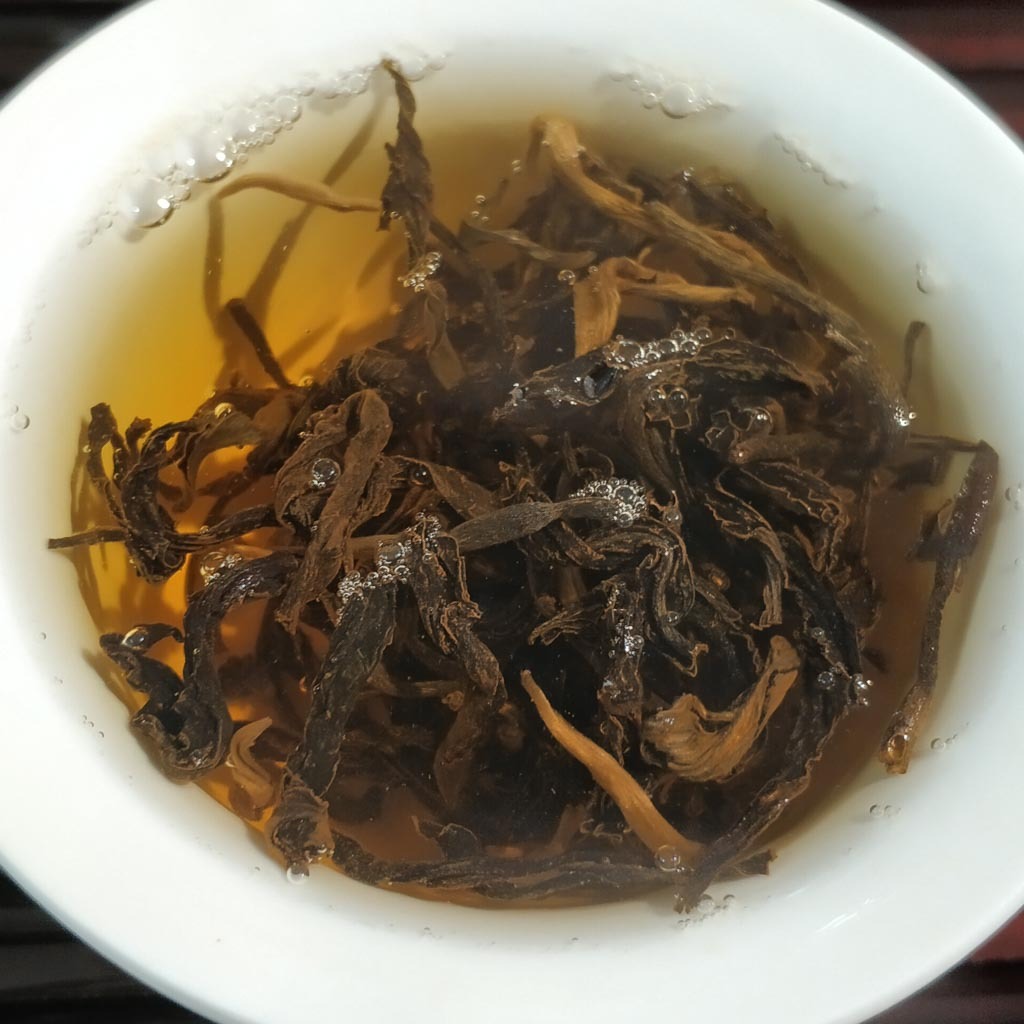
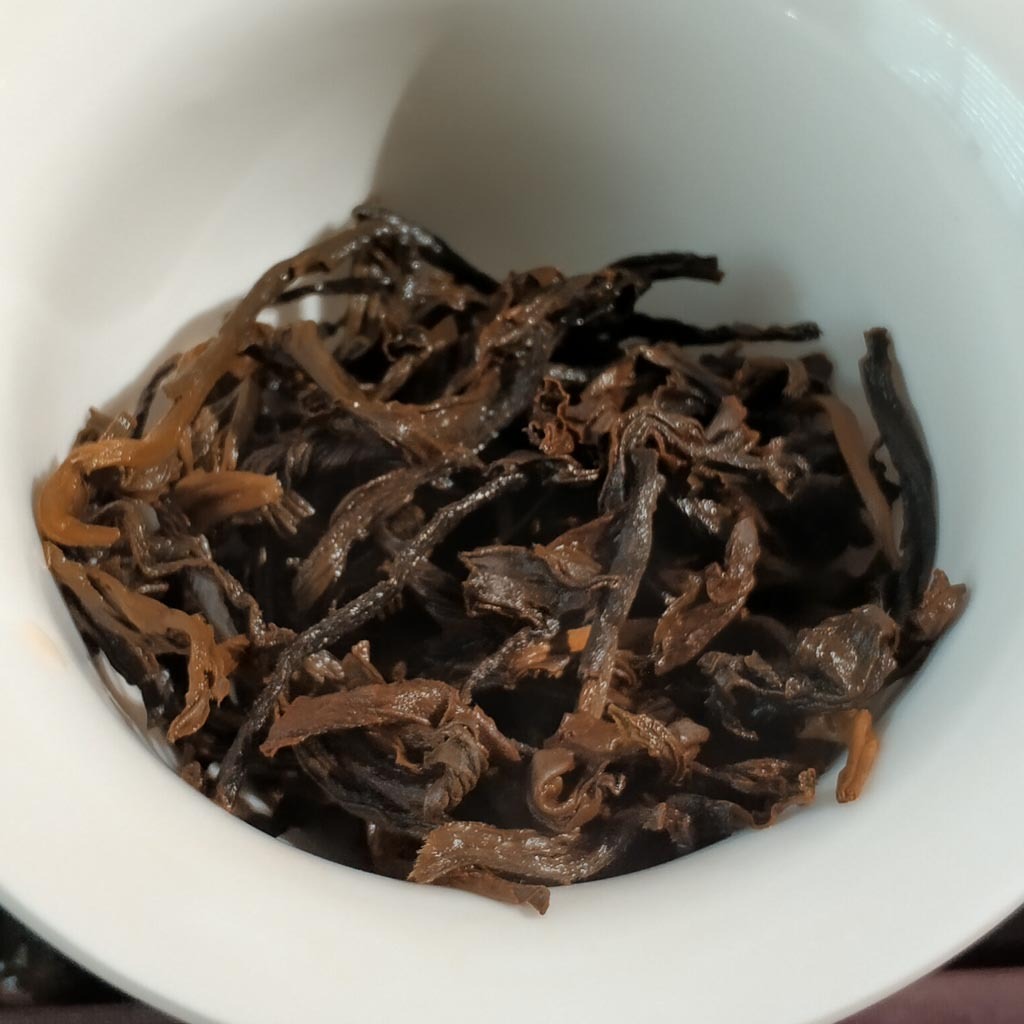
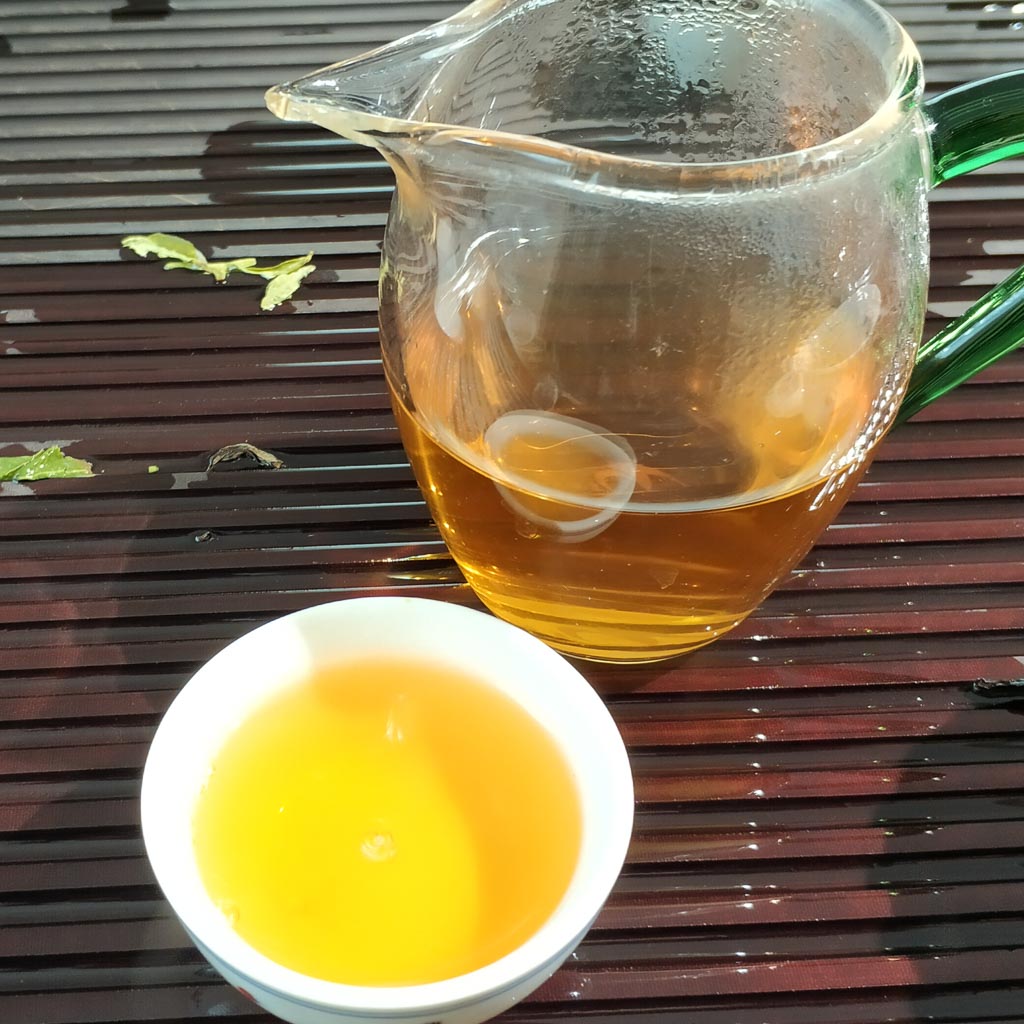
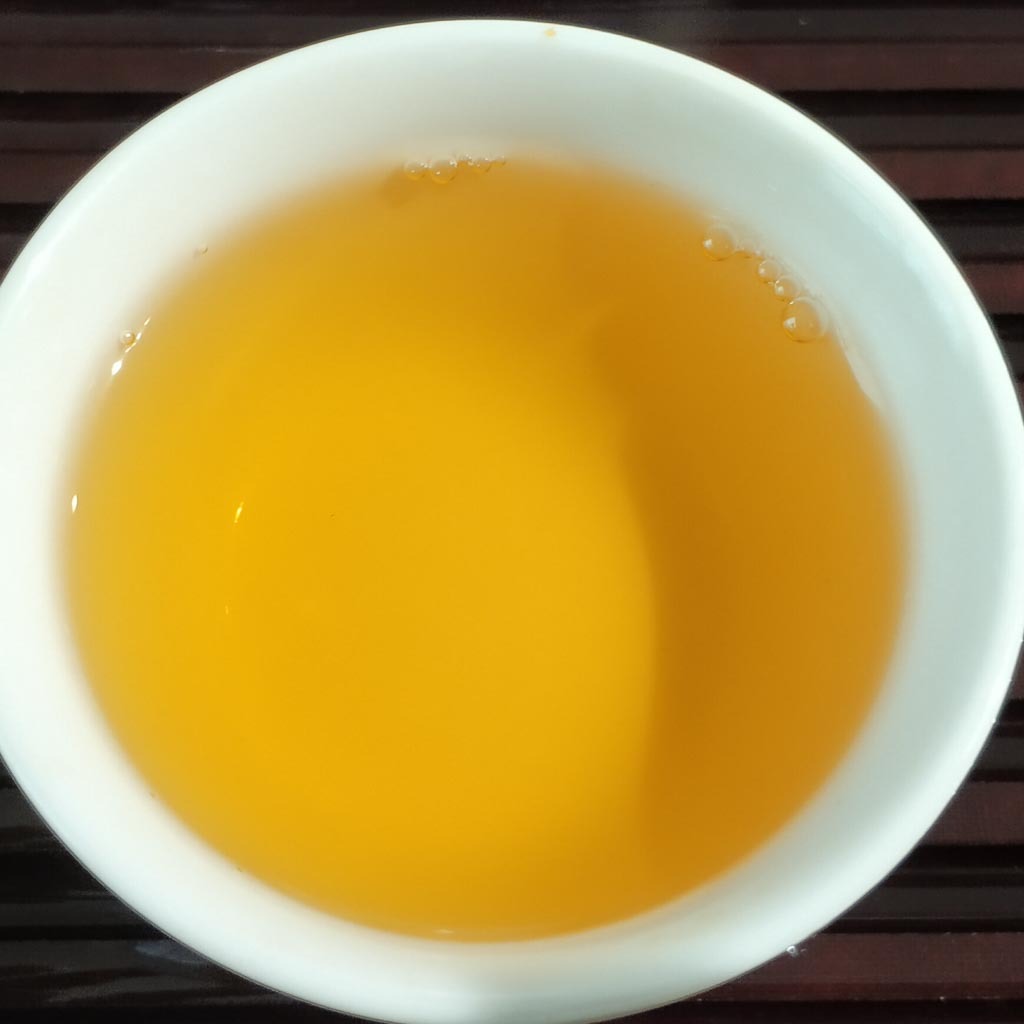
To fully appreciate the silkiness of Yunnan Gold, we recommend using Glass or Porcelain Teaware. Glass allows you to admire the beautiful orange liquor, while porcelain maintains the steady temperature needed to extract the malty depths.
3g per 400ml
Temp: 95°C (203°F)
Time: 3-5 Minutes
Perfect for a hearty breakfast cup; holds up exceptionally well with its natural sweetness.
5g per 120ml
Temp: 100°C (212°F)
Steeps: 15s, 20s, 30s, 45s…
The best way to experience the transition from malt to honey across multiple infusions.
Why is it called “Gold”?
The name refers to the golden-orange fuzz on the tea buds, which is a mark of high quality and high-altitude origin.
Is it a “Sweet” tea?
Yes, it has a natural honey-like sweetness. It does not require sugar or milk, though its robust body can certainly handle them.
How does it differ from Pu-erh?
While both come from Yunnan, Yunnan Gold is a fully oxidized black tea, whereas Pu-erh involves different fermentation processes (Sheng or Shu).