


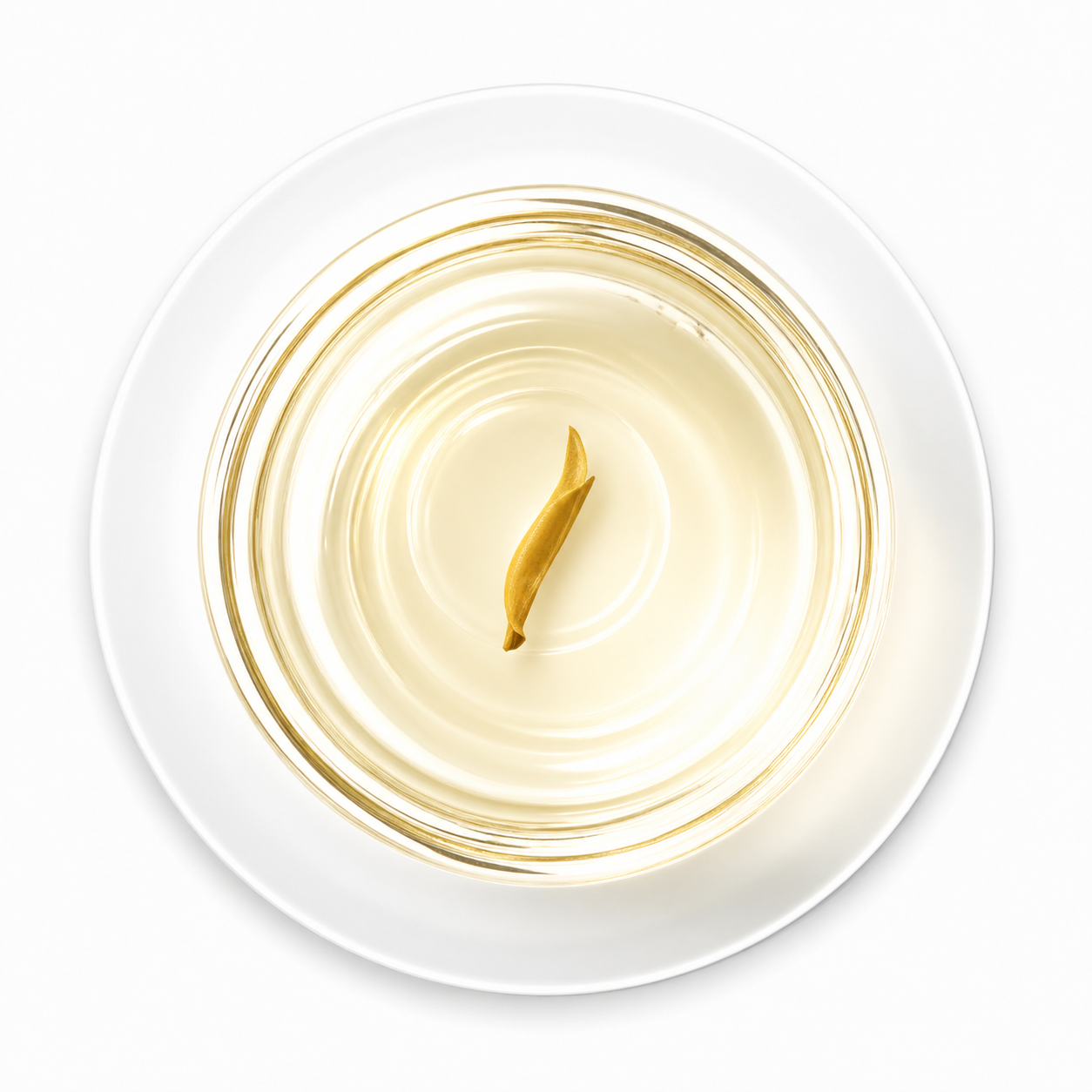
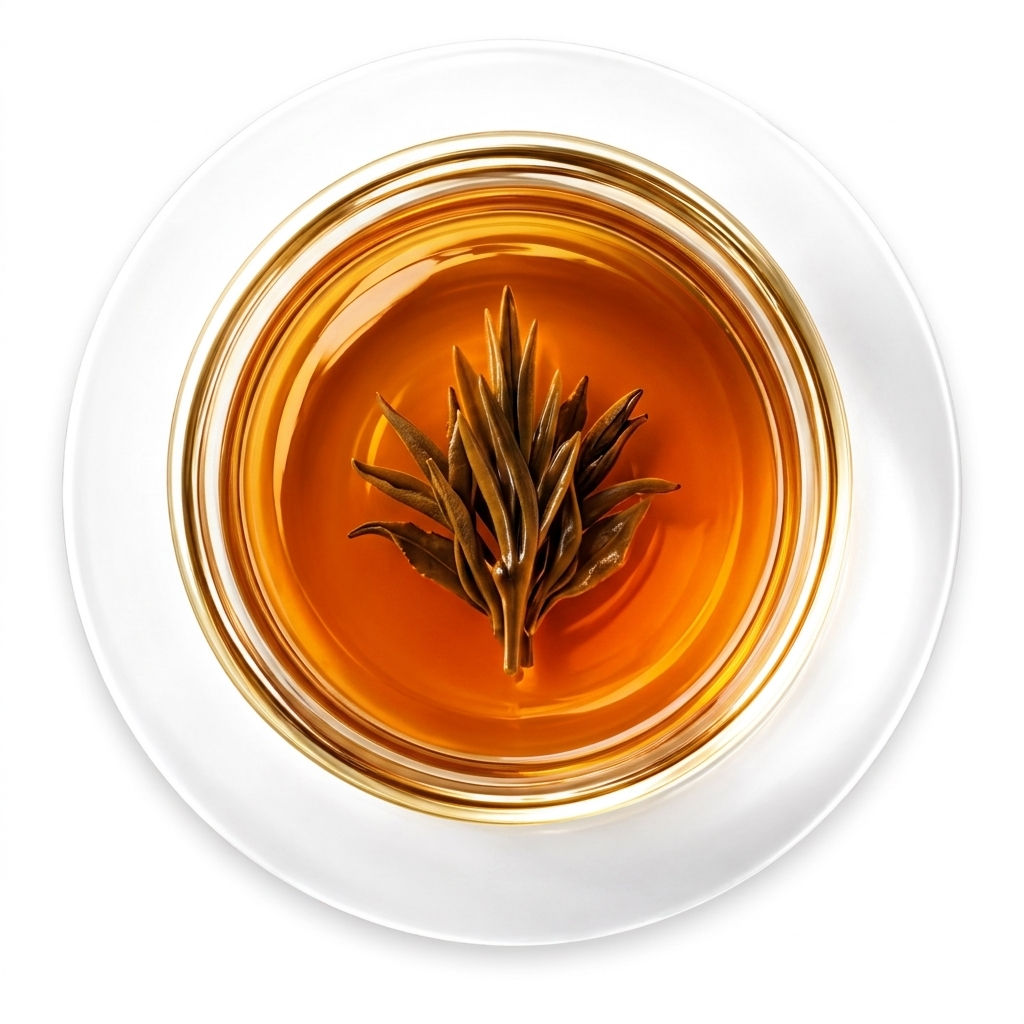
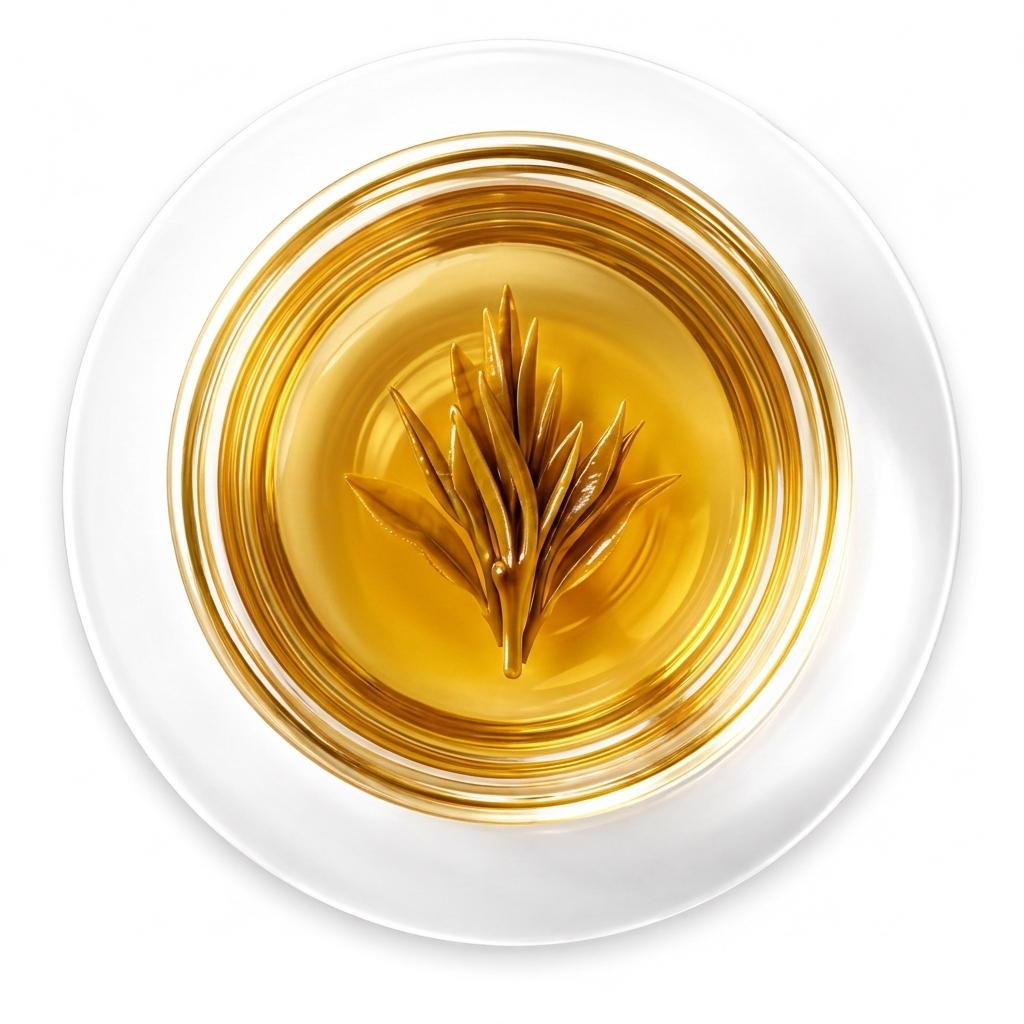
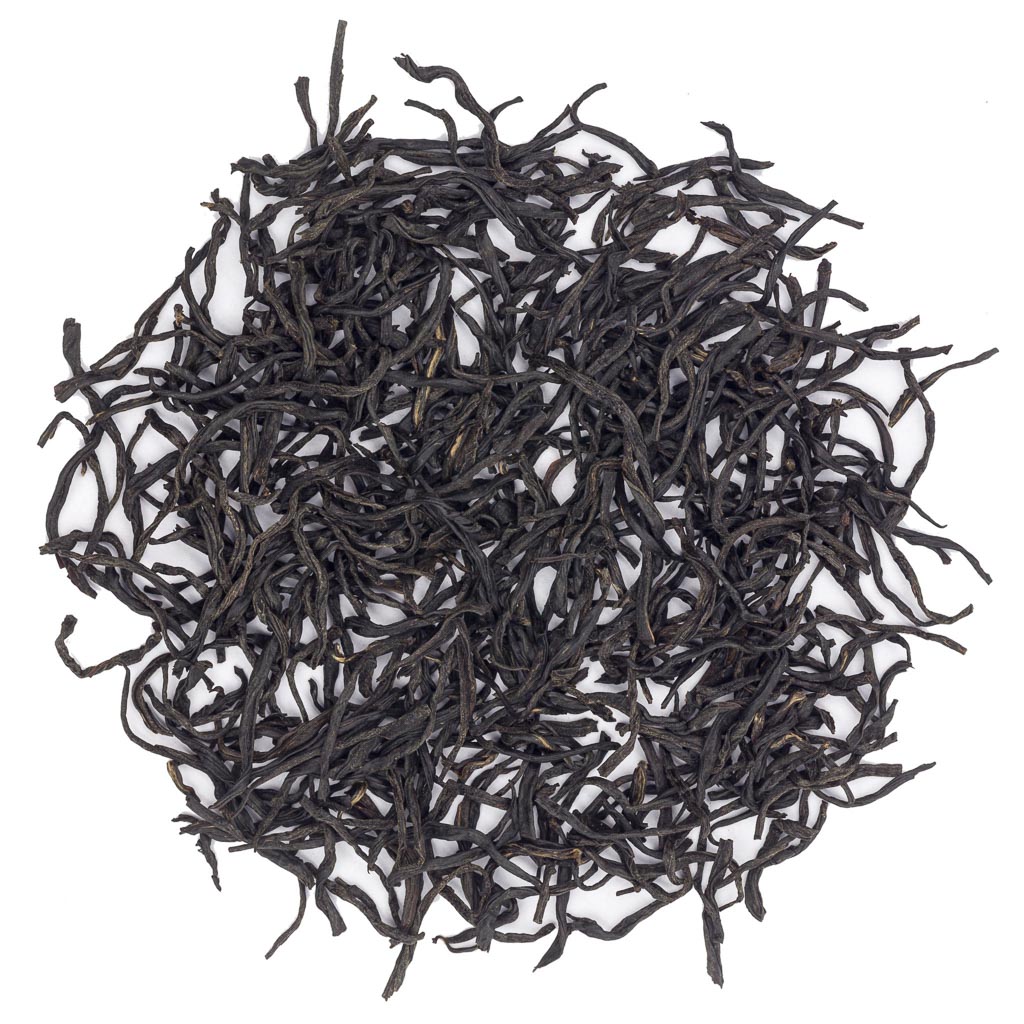
Lapsang Souchong
⚠️ Connection Notice:
If WhatsApp fails to open, please tap the ··· icon at the top right and select “Open in Browser”.
If WhatsApp fails to open, please tap the ··· icon at the top right and select “Open in Browser”.
Lapsang Souchong (Zheng Shan Xiao Zhong) is the definitive ancestor of all black teas. Created by chance in the late Ming Dynasty within the high-altitude forests of the Wuyi Mountains, it revolutionized the world’s tea-drinking habits. Unlike the delicate green teas of the era, Lapsang Souchong was robust, enduring, and uniquely flavored with pine smoke—a trait that made it the first tea to withstand the long sea voyages to Europe. Today, it remains a pillar of our Authentic Black Tea Collection, offering a taste of history in every cup.
The name Lapsang Souchong tells a story of geography and quality. “Zheng Shan” (Lapsang) translates to “Proper Mountain,” signifying that the tea is sourced from the original, protected ecosystem of Tongmu Village. “Xiao Zhong” (Souchong) refers to the specific small-leaf cultivar found in the Wuyi high mountains. For centuries, this tea was so highly prized that it was presented as a gift to European royalty, eventually becoming a staple in British tea culture. As noted in historical archives such as Britannica, it was the “Bohea” tea that laid the foundation for global tea trade.
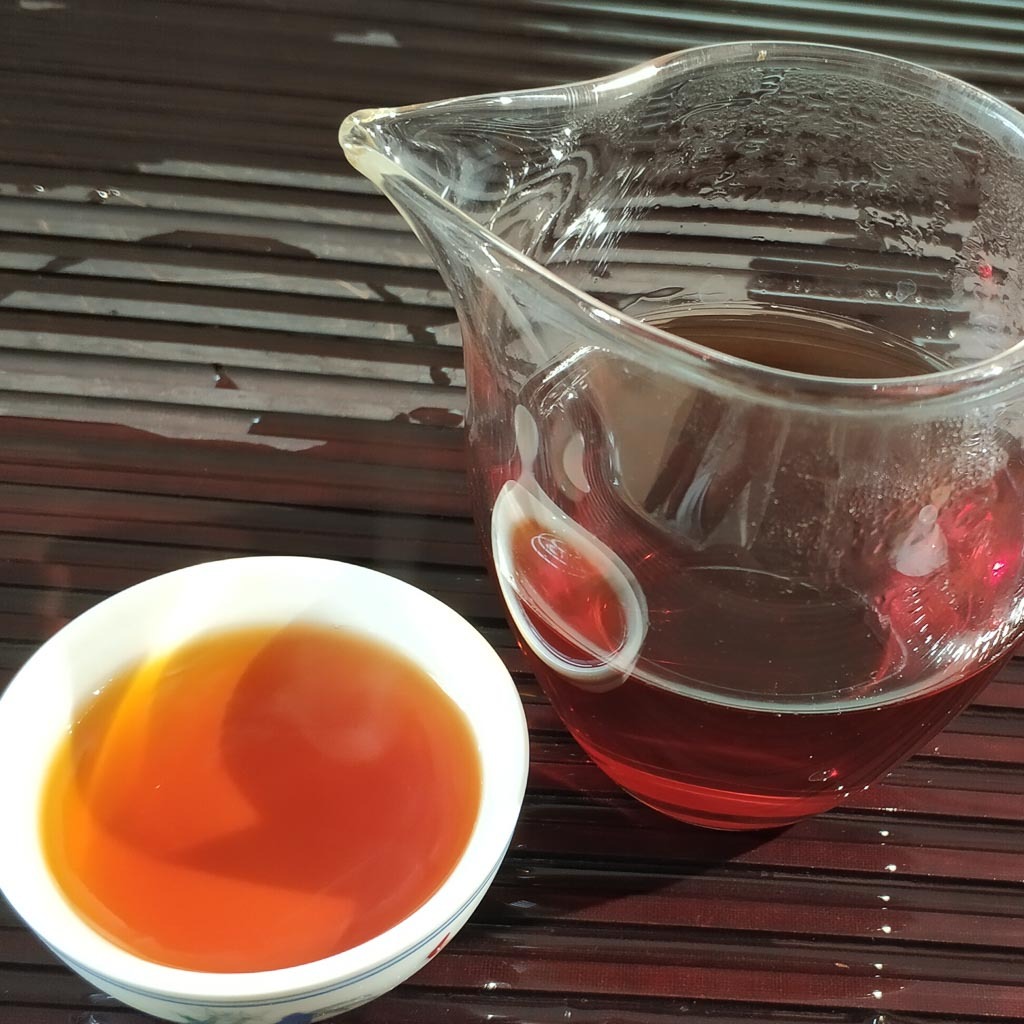
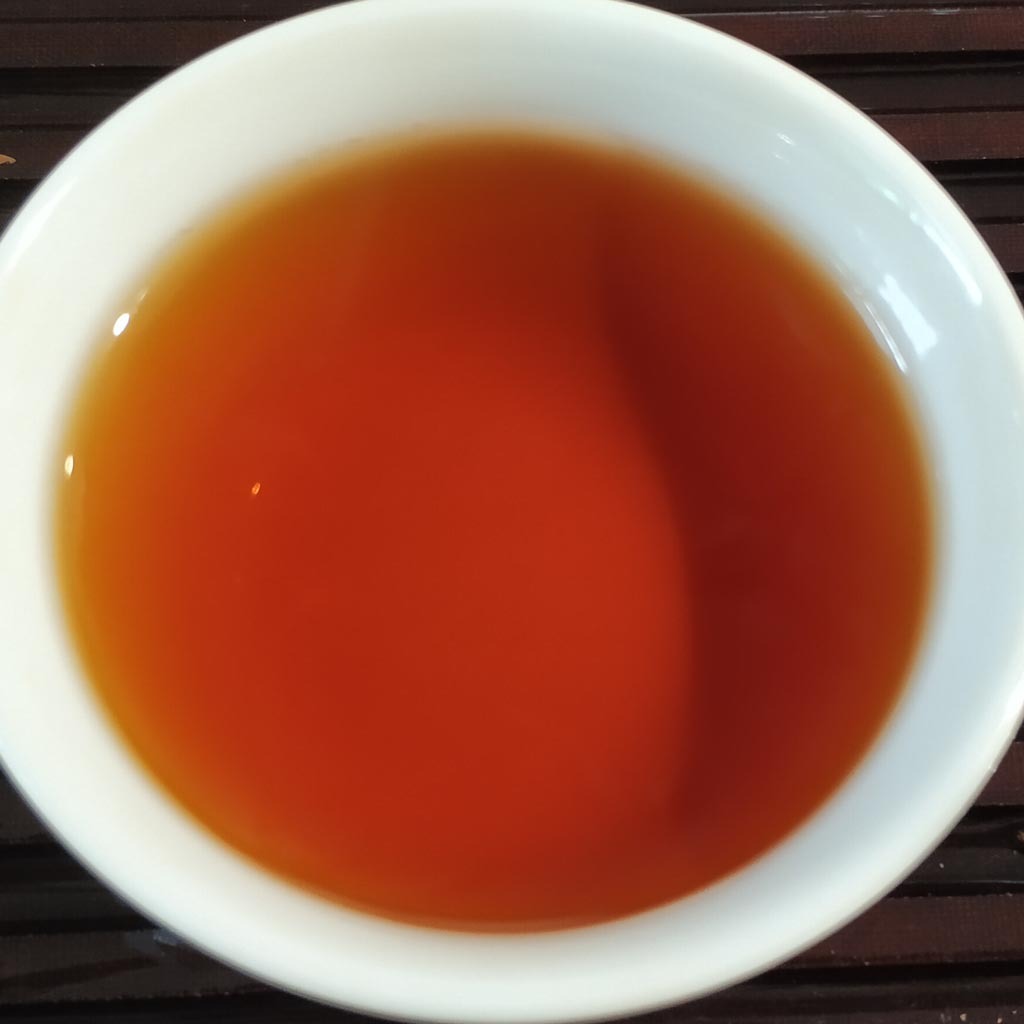
What gives Lapsang Souchong its unmistakable character is the traditional “Qing Lou” (Blue Building) drying process. Inside these multi-story wooden structures, the tea leaves are withered and dried over smoking fires of local horsetail pine wood. The pine resin imparts a deep, smoky aroma that binds with the natural sugars of the tea. In a true, high-quality Lapsang Souchong, the smoke should never be harsh or acrid; instead, it should smell like a distant campfire or high-quality incense, integrated perfectly with the tea’s inherent sweetness.
A well-crafted Lapsang Souchong is a study in balance. The bold, smoky entry is immediately followed by a surprising sweetness that tea tasters often compare to dried longan fruit or dark honey. This “aftertaste” is what separates authentic Wuyi material from imitators. In our Chinese Tea Market, this tea is celebrated for its warming properties and its ability to pair beautifully with savory foods.
While the smoky version is the global icon, the 21st century has seen a surge in popularity for “Unsmoked” Lapsang Souchong (Fei Yan Xiao Zhong). This style emphasizes the natural floral and chocolate notes of the Tongmu tea bushes without the pine-smoke overlay. It offers a cleaner, more delicate window into the high-altitude terroir and is often used as the base material for the prestigious Jin Jun Mei. Both styles offer a unique perspective on the Wuyi Mountain ecosystem.
Tongmu Village is located within the Wuyi Mountain National Nature Reserve. Access to this region is strictly limited to protect the biodiversity of the area. The tea bushes here grow wild, surrounded by mountain streams and bamboo forests. This pristine environment is why Lapsang Souchong from this specific “Zheng Shan” (True Mountain) region is considered a luxury item, vastly superior to “Wai Shan” (Outside Mountain) teas that lack the mineral depth and clean finish of the original.
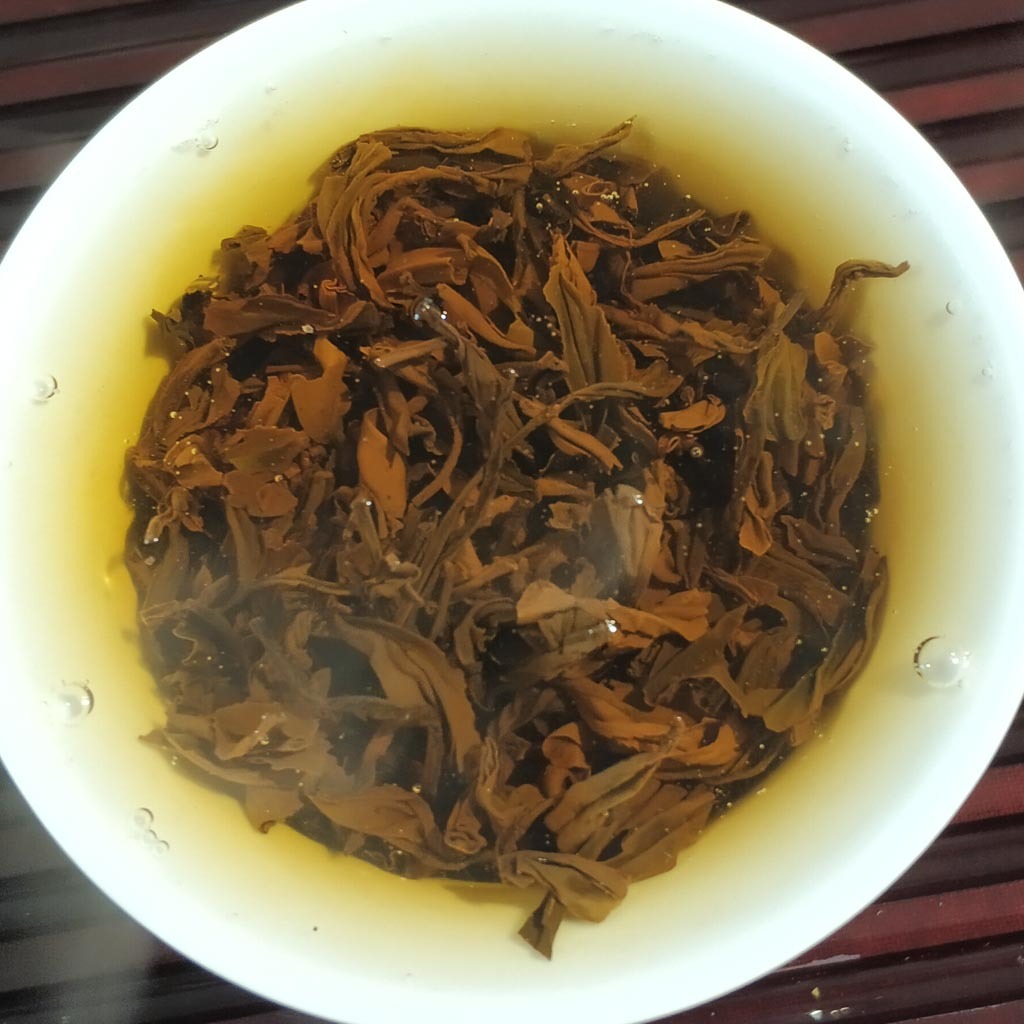
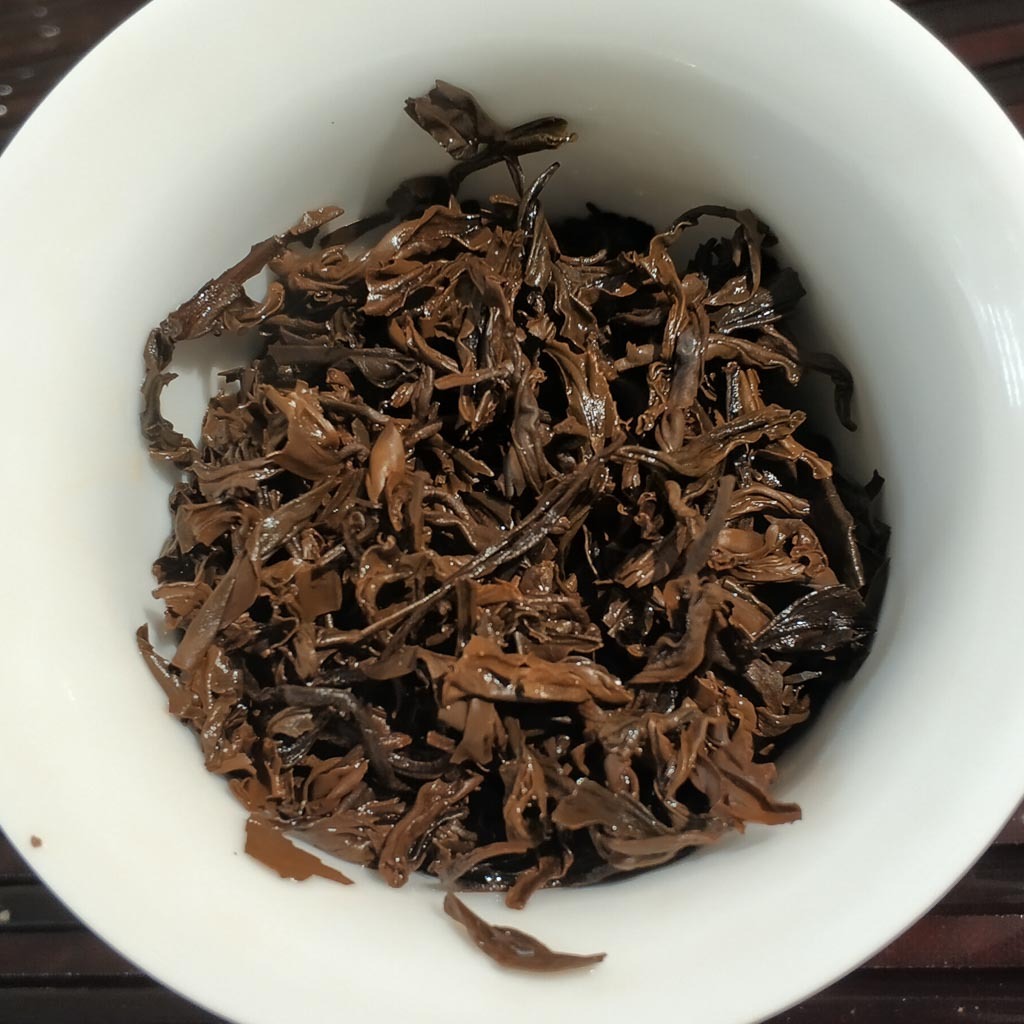
To fully enjoy Lapsang Souchong, we recommend using a Gaiwan or a porcelain teapot. Avoid plastic or porous materials that might retain the strong smoky aroma. High-quality Ceramic Teaware is essential for heat retention and aromatic clarity.
3g per 350ml
Temp: 95°C (203°F)
Time: 3 Minutes
Brings out a balanced profile of smoke and fruit, perfect for afternoon tea.
5g per 120ml
Temp: 100°C (212°F)
Steeps: 15s, 20s, 30s…
Reveals the deep “Zheng Shan” mineral character and ensures the smoke evolves into sweetness.
Does it taste like tobacco?
Authentic Lapsang Souchong should taste like sweet pine wood and dried fruit. If it tastes like stale tobacco, it is likely an artificially flavored low-grade tea.
Can I drink it with food?
Absolutely. Lapsang Souchong is famous for pairing with spicy foods, grilled meats, and even dark chocolate or blue cheese.
Why is it called “Zheng Shan”?
It means the tea is from the original, core production area of Tongmu. Anything from outside this tiny region cannot legally be called “Zheng Shan Xiao Zhong.”