Keemun
⚠️ Connection Notice:
If WhatsApp fails to open, please tap the ··· icon at the top right and select “Open in Browser”.
If WhatsApp fails to open, please tap the ··· icon at the top right and select “Open in Browser”.
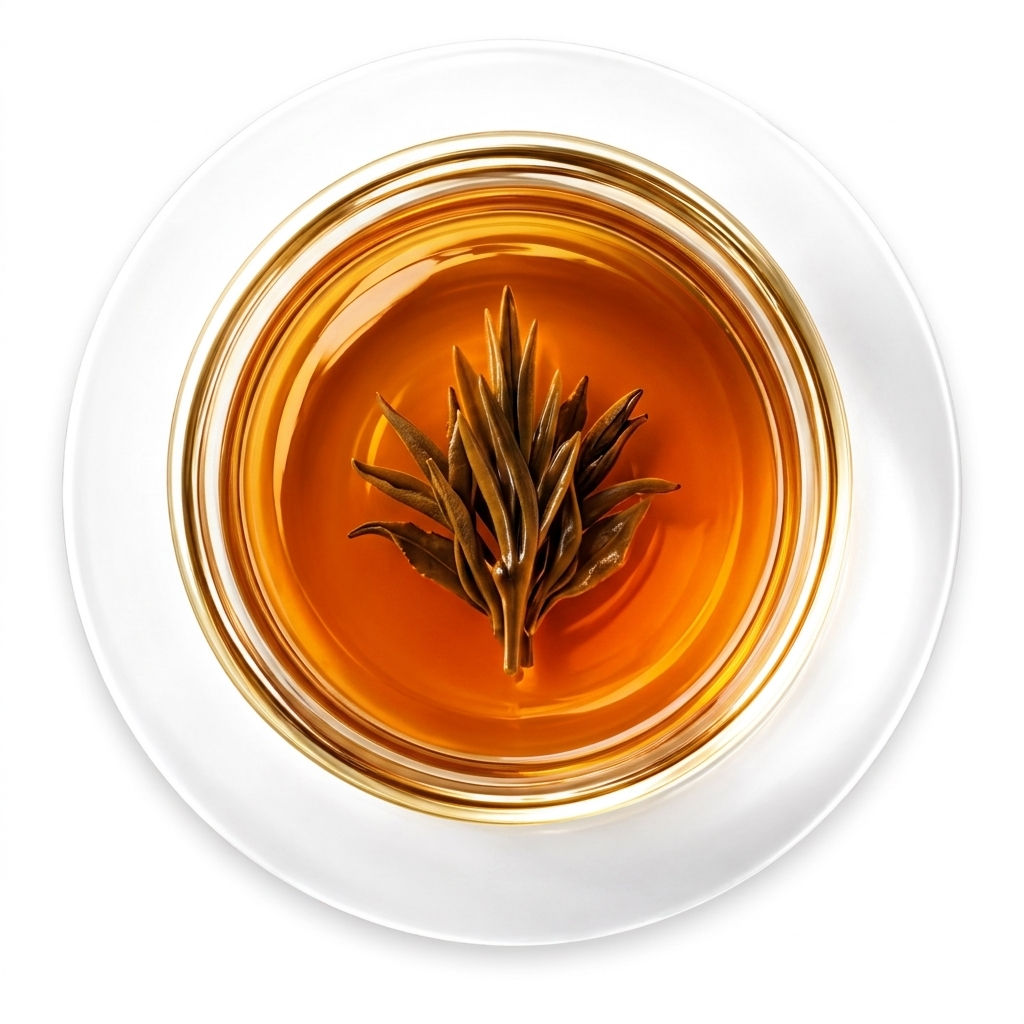
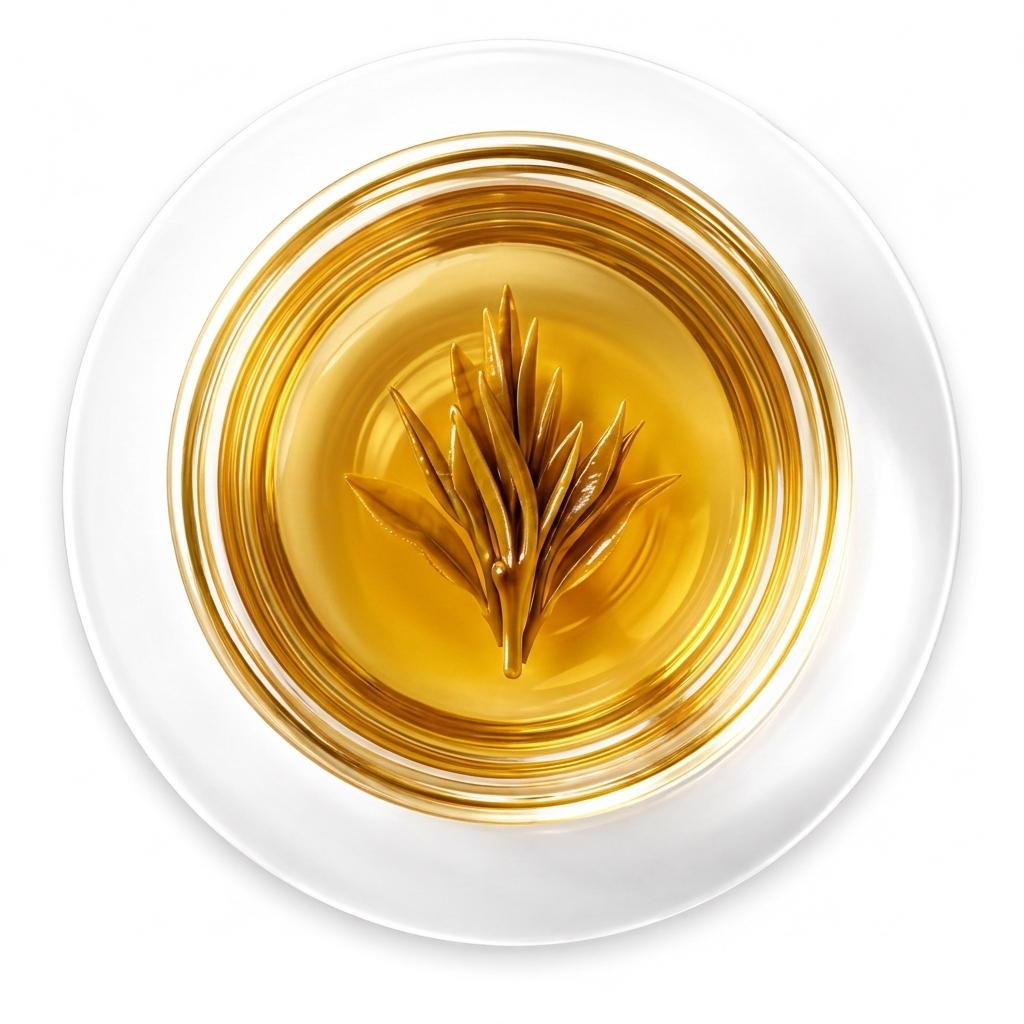
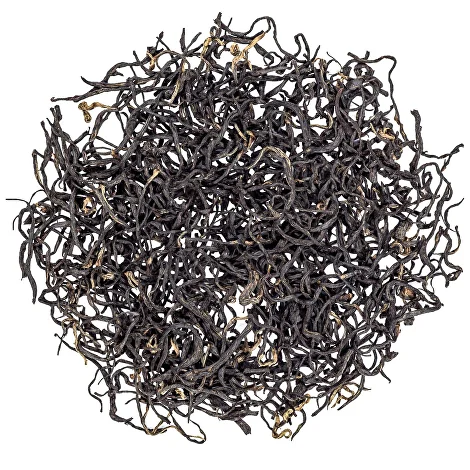
Among the vast landscape of global tea varieties, Keemun (Qimen Hong Cha) stands as a monumental achievement of artisanal craftsmanship. Produced exclusively in the misty peaks of Anhui Province, this variety is frequently cited by Wikipedia as one of the “Three Most Fragrant Black Teas” on earth. Often described as the “Burgundy of Teas,” a premium harvest offers a depth of flavor that is both wine-like and ethereally floral, making it a cornerstone of our Black Tea Collection.
The story of this legendary leaf began in 1875 during the Qing Dynasty. A former government official, Yu Qujiang, applied Fujianese oxidation techniques to local tea bushes previously used for green tea. The resulting infusion was an immediate success, later winning the Gold Prize at the 1915 Panama-Pacific Exposition. Since then, it has been a staple of Chinese tea culture, famously becoming the preferred base for British Royal afternoon blends.
As noted by Encyclopaedia Britannica, the complexity of Keemun lies in its unique processing history. Unlike other black teas that emphasize bold astringency, Keemun was developed to highlight aromatic volatile oils, a characteristic that made it the star of the 19th-century international tea trade.
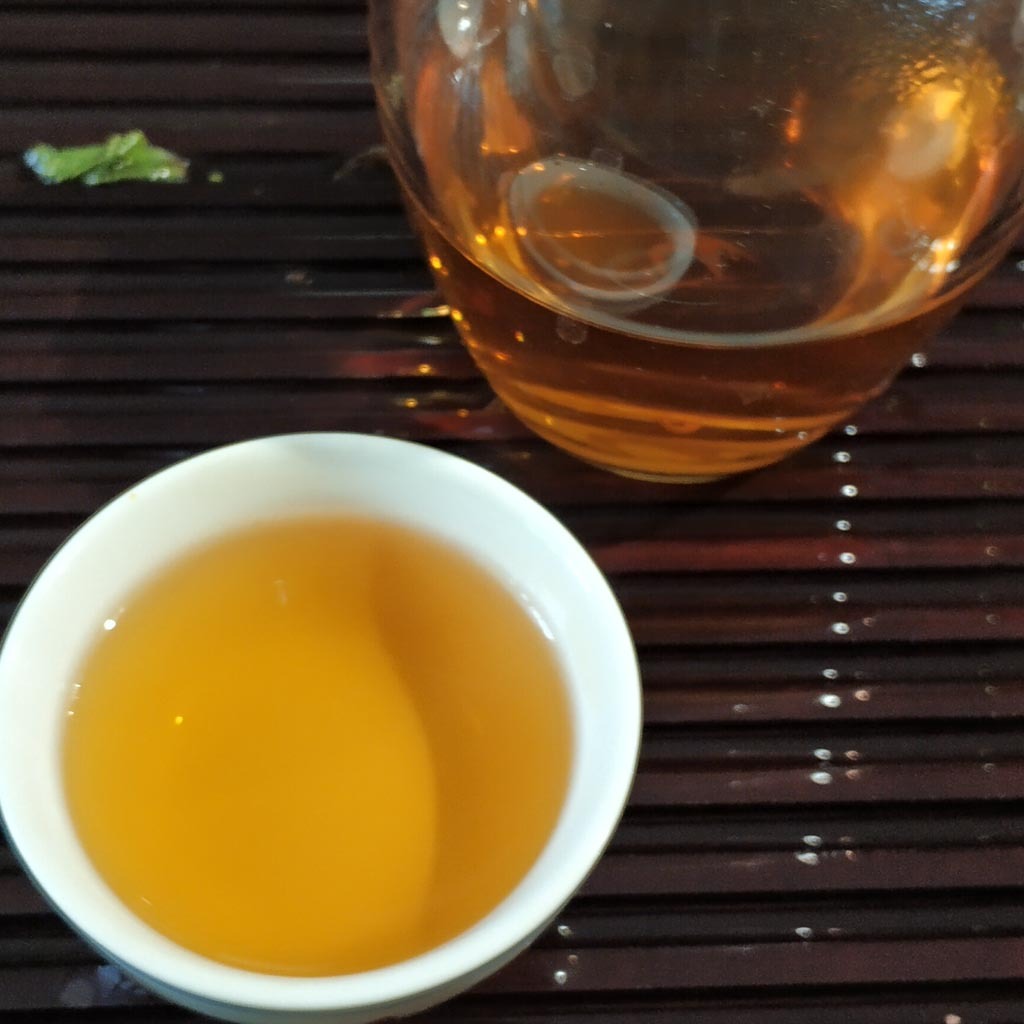
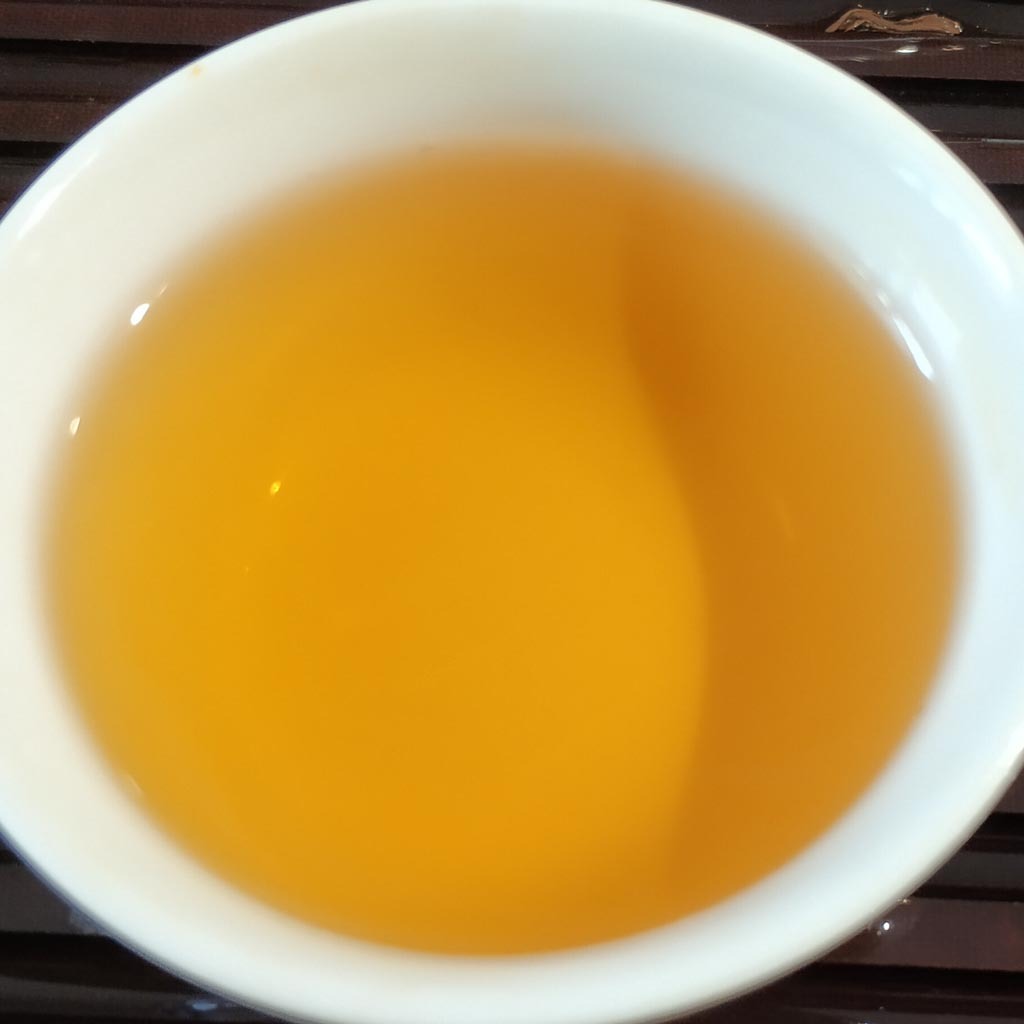
What defines the sensory experience is the signature aroma, known as the Qimen Xiang. This fragrance is not added; it is an inherent quality of the local “Zhu Ye Zhong” tea cultivar. When brewed, the steam carries a distinct bouquet of orchid, honey, and dried plum, ensuring a lingering sweetness that defines our Chinese Tea Selection.
The production of a quintessential Keemun involves a staggering 17 stages of refinement. This includes specialized withering, rolling, and a final fire-roasting that requires master precision. Unlike mass-produced black teas, Keemun requires artisans to sort the leaves by weight and size using delicate sieves, ensuring that every cup delivers a consistent mouthfeel. The refining stage alone can take several days to perfect the moisture content and flavor profile.
The quality of Keemun is inseparable from the terroir of Qimen County. The region is characterized by low temperatures, high humidity, and frequent fog. This environment slows the growth of the tea buds, allowing for a higher accumulation of amino acids and aromatic compounds. The red-yellow soil, rich in trace elements, provides the necessary nutrients for the tea trees to produce their characteristic “wine-like” depth.
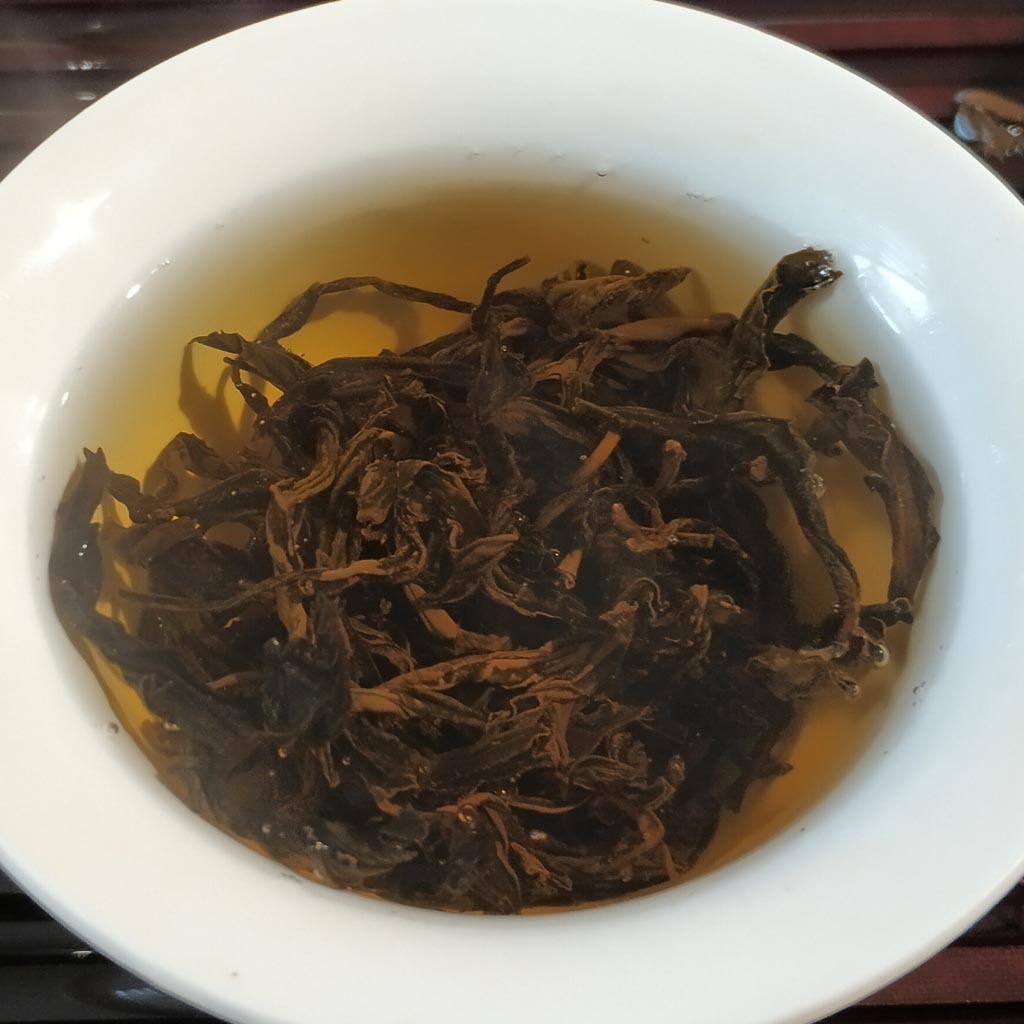
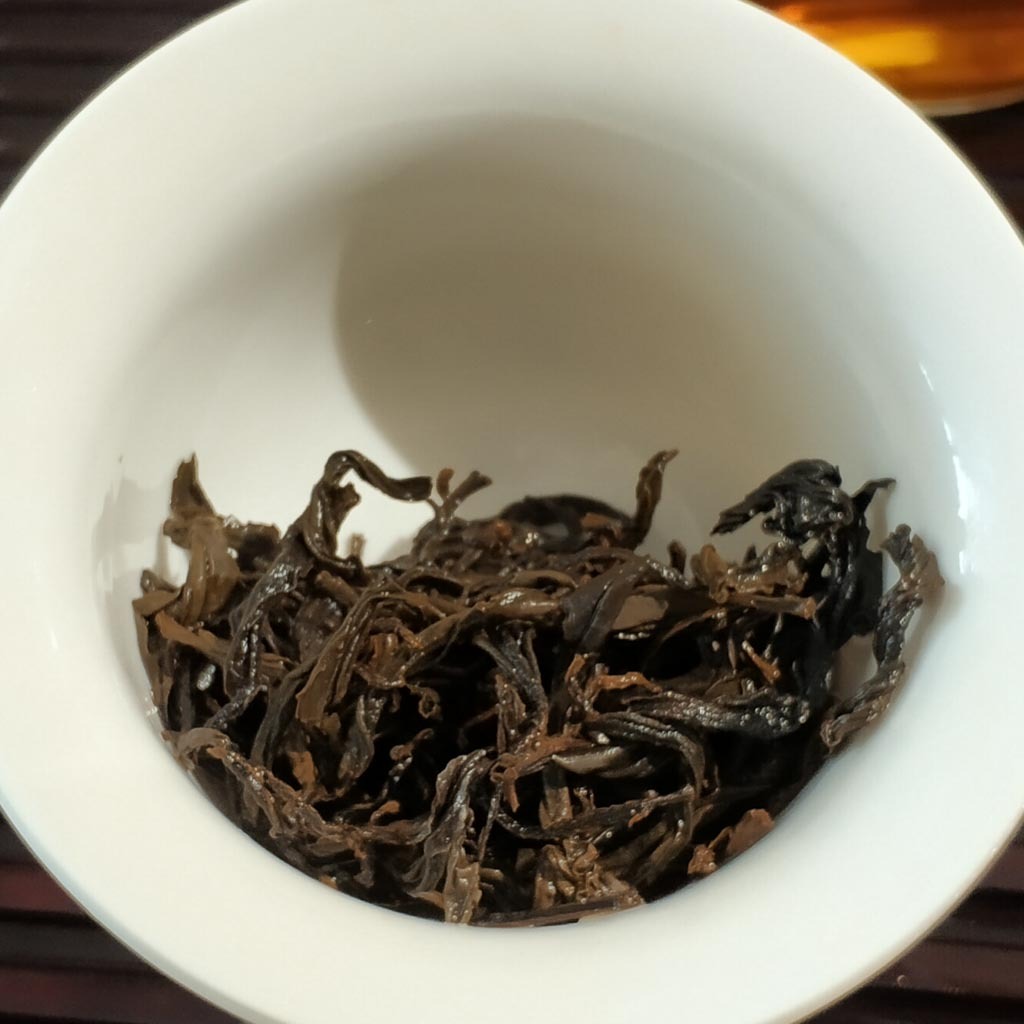
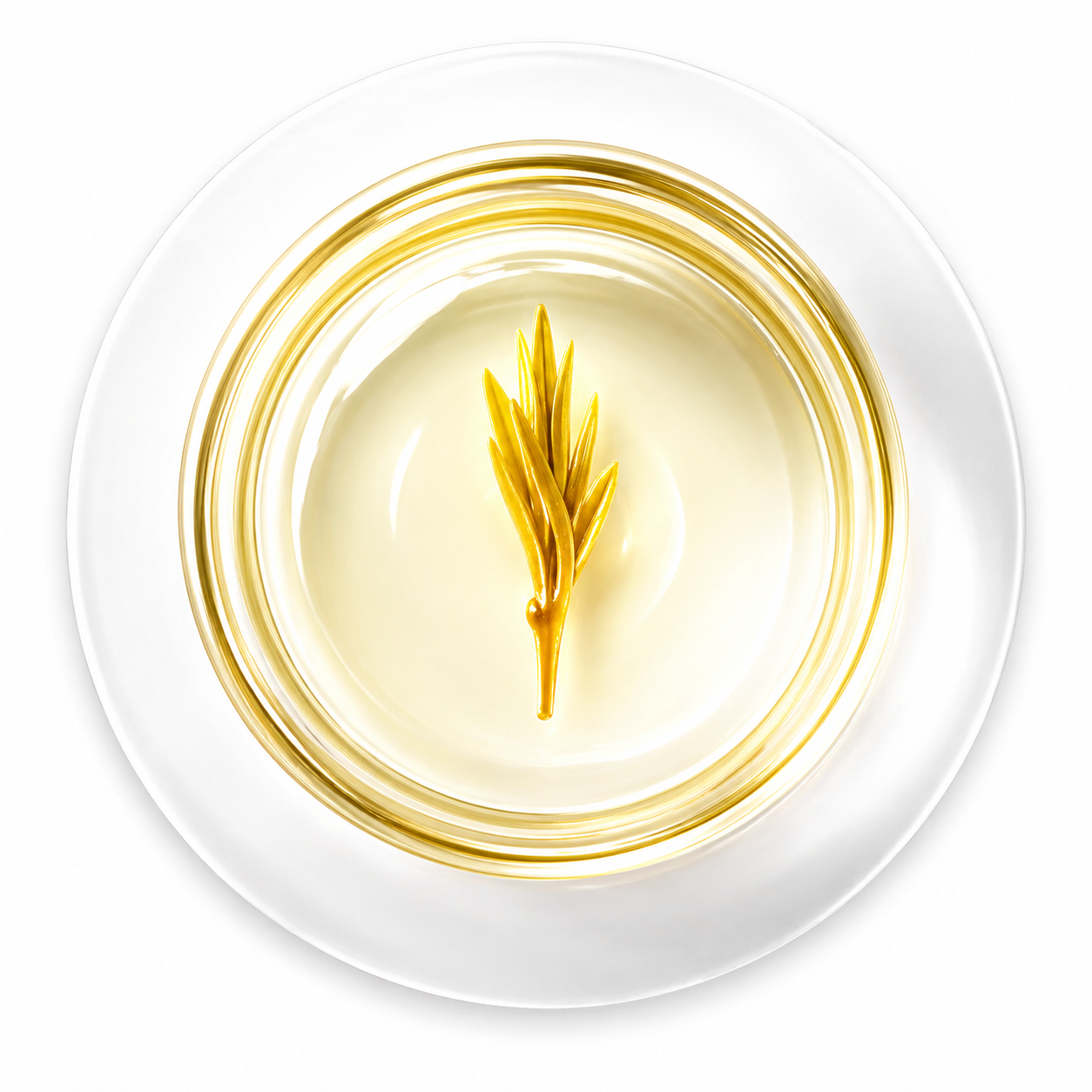
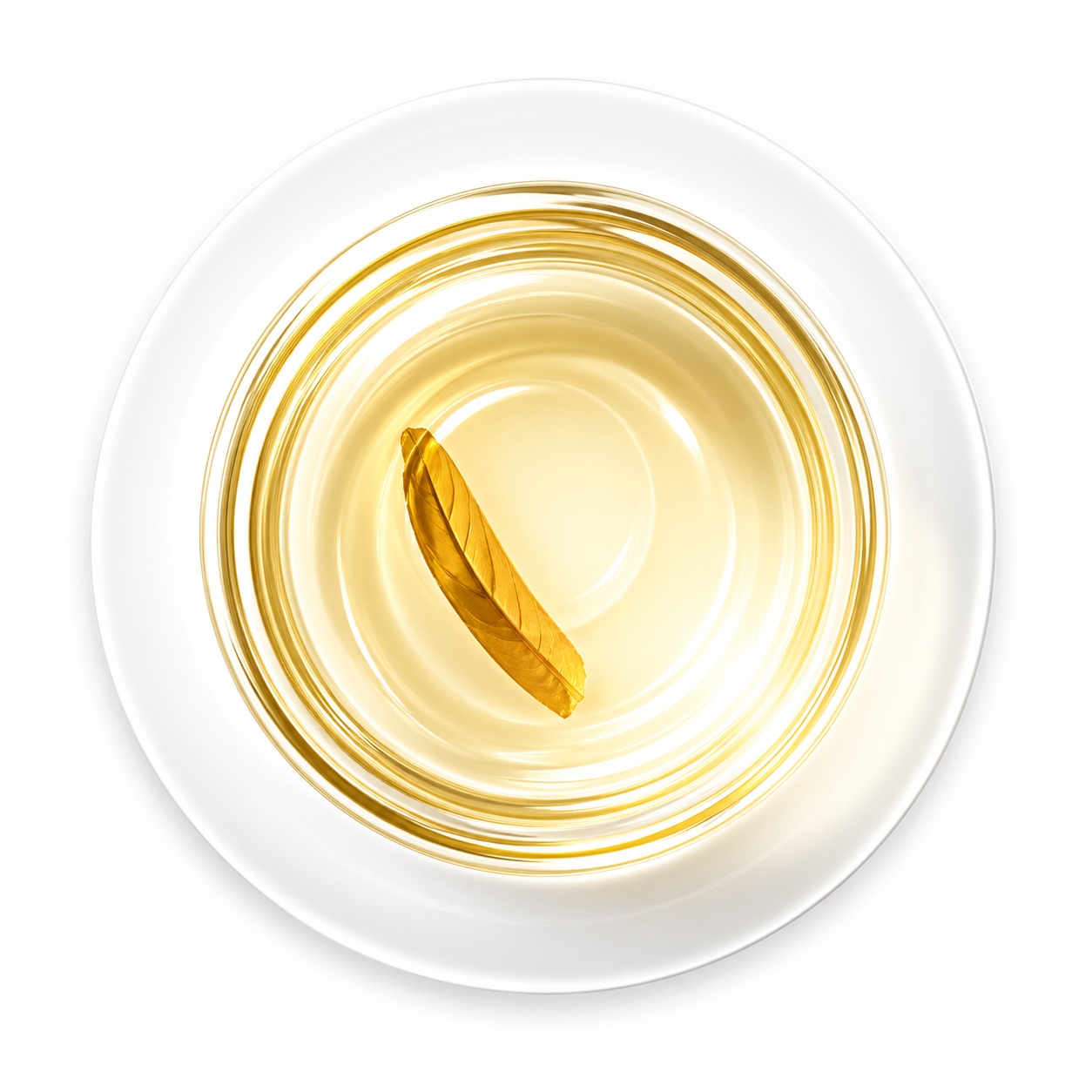
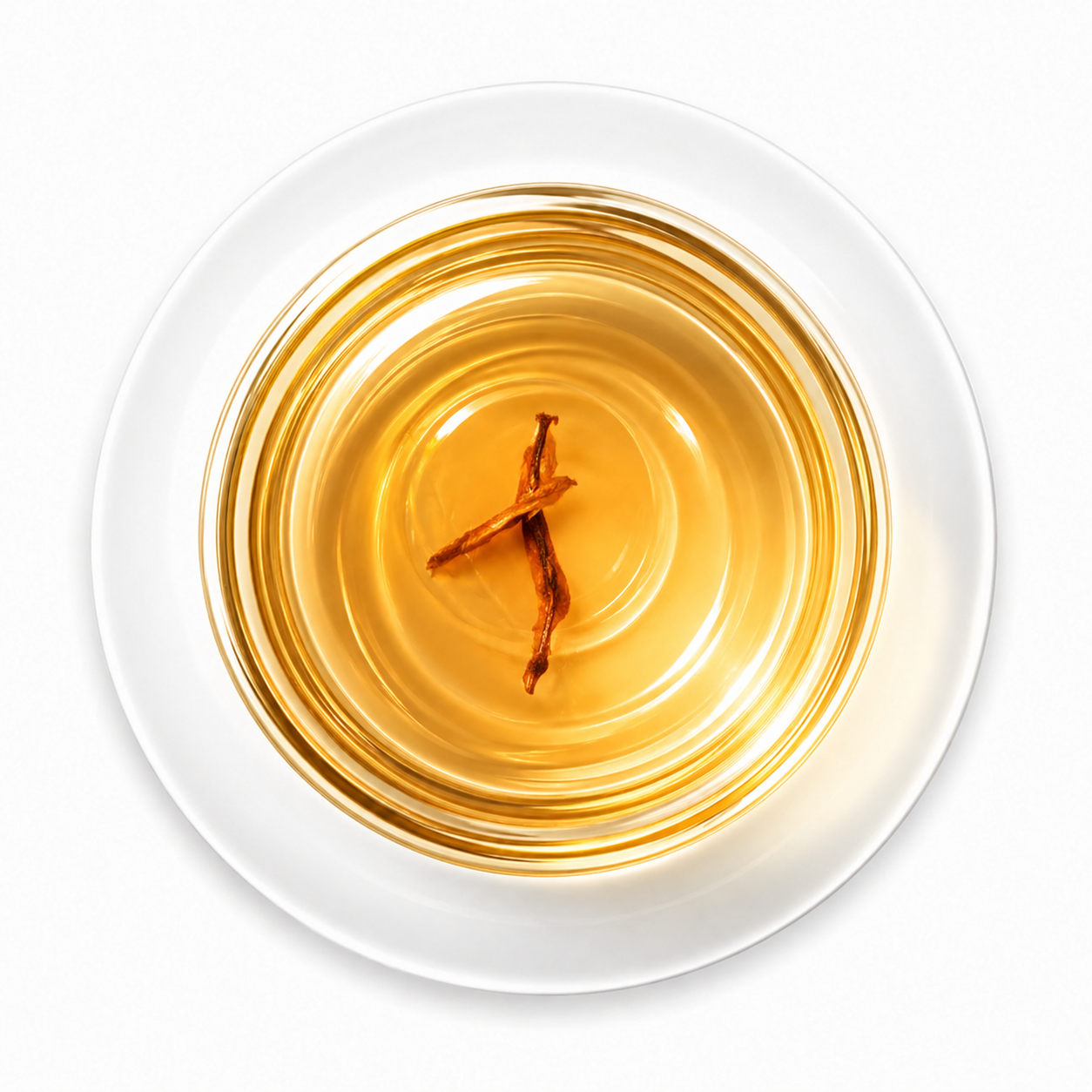
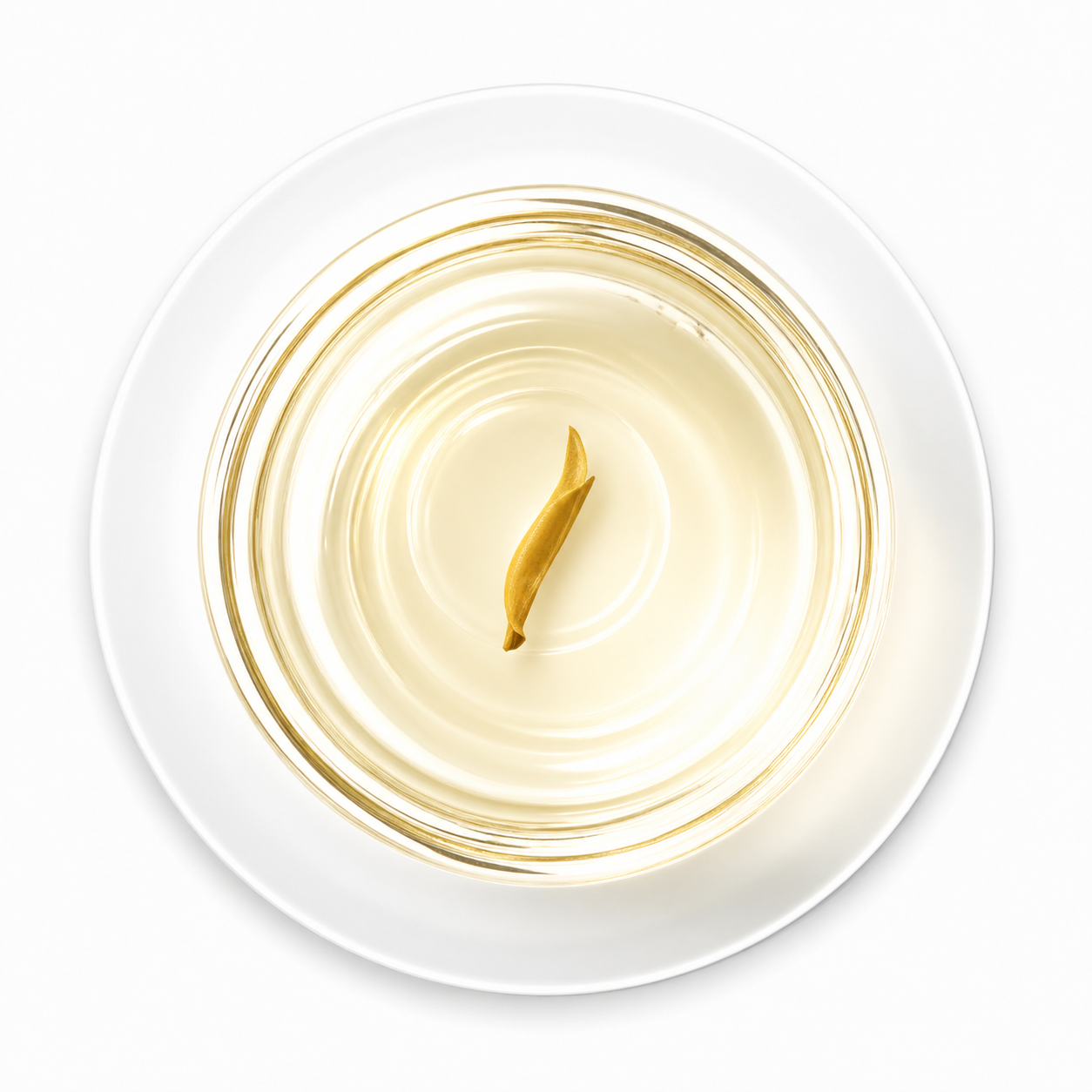
Choosing the right Keemun depends on your preference for aroma versus body. High-grade varieties like Hao Ya A and Hao Ya B are made from the most tender buds and offer the most intense orchid fragrance. For those who prefer a more robust cup, Keemun Mao Feng provides a stronger honey-like sweetness and a fuller mouthfeel, often featured in our New Arrivals.
To fully awaken the “King of Fragrance,” avoid using boiling water on the more delicate grades like Hao Ya. We recommend using porcelain Teaware to maintain a neutral flavor profile.
3g per 400ml
Temp: 90°C (194°F)
Time: 3-4 Minutes
Brings out the bright honey and floral orchid notes.
5g per 150ml
Temp: 95°C (203°F)
Steeps: 6-8 rounds
Experience the profile evolution from fruity to deep woody notes.
Yes. As a fully oxidized black tea, it provides a steady energy lift, though it contains less caffeine than coffee, balanced by L-theanine.
While Keemun is a classic breakfast base, high-grade varieties are best enjoyed pure to appreciate the complex “orchid” fragrance.
Authentic Keemun is produced only in Qimen County and its surrounding areas in Anhui Province, China.