
Iron Goddess of Mercy: The Divine Oolong
Unveiling the Orchid Fragrance and Fruity Elegance of China’s Most Beloved Tieguanyin
Deep Dive Navigation
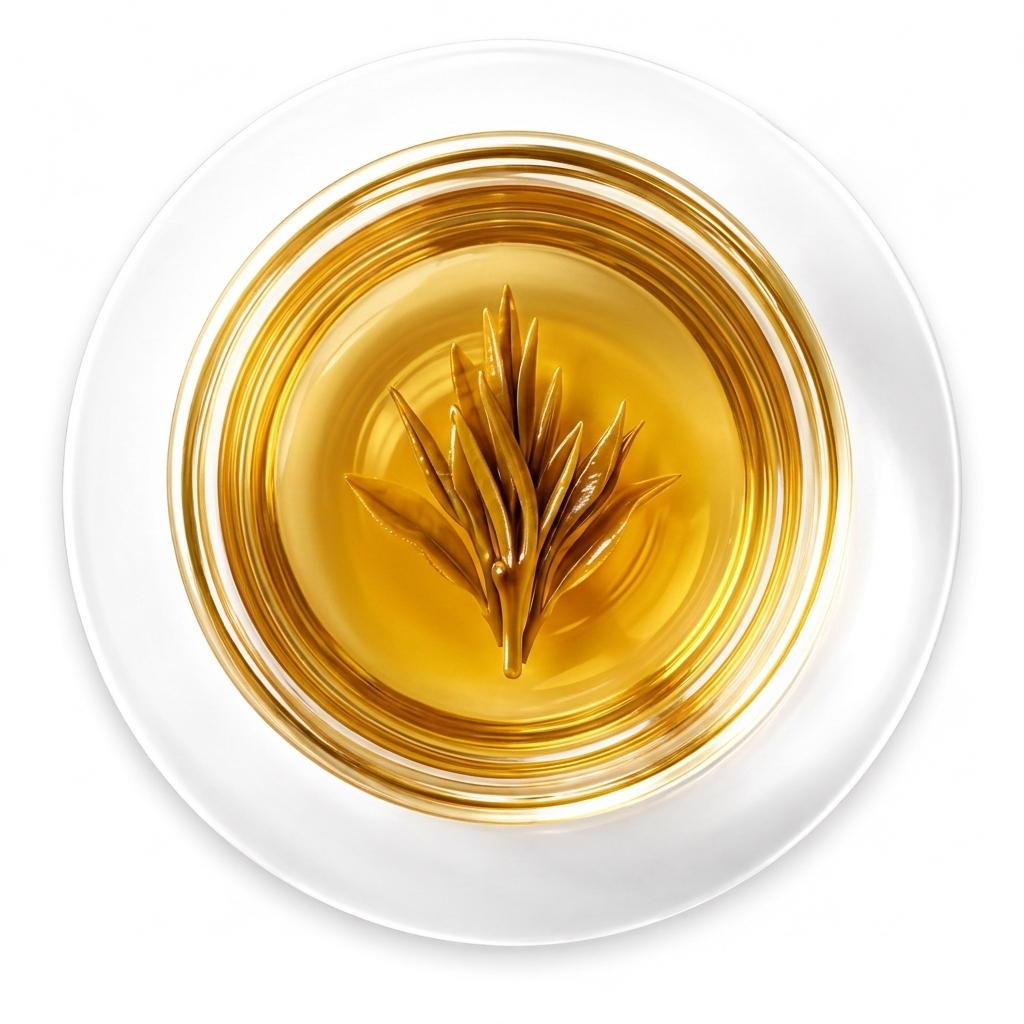
The Iron Goddess of Mercy, or Tieguanyin, is perhaps the most famous Oolong tea in the world. Named after the Bodhisattva Guan Yin, this divine variety is celebrated for its distinctive “Guan Yin Yun”—a poetic term describing its lingering, ethereal aftertaste. Whether you are drawn to the light, orchid-like floral notes or the deeper, honeyed fruit aromas of the roasted varieties, Iron Goddess of Mercy offers a complex sensory journey that evolves with every infusion. As a cornerstone of our Estate Oolong Collection, it represents the pinnacle of Chinese tea craftsmanship.
The Myth of the Iron Goddess
The origin of Iron Goddess of Mercy is steeped in legend. One popular story tells of a poor farmer who meticulously cared for a dilapidated temple of Guan Yin. In return, the Goddess appeared in a dream, leading him to a single tea shoot behind the temple. This shoot grew into a sturdy bush with leaves that felt as heavy and dark as iron when processed—hence the name. According to Wikipedia’s entry on Tieguanyin, this cultivar was born in Anxi County, Fujian, and has been cultivated since the 18th century, becoming a symbol of devotion and quality.
Floral vs. Fruity: A Matter of Craft
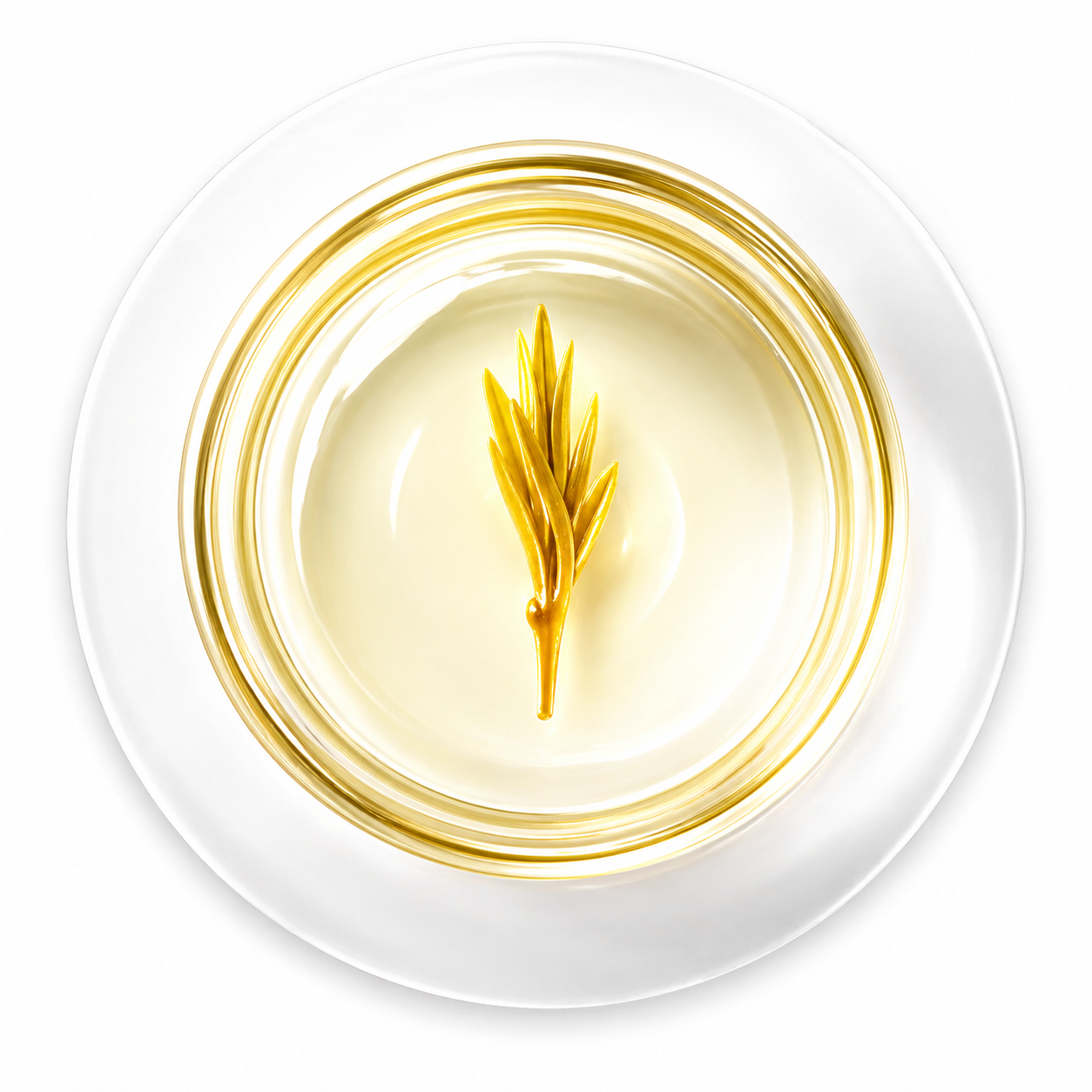
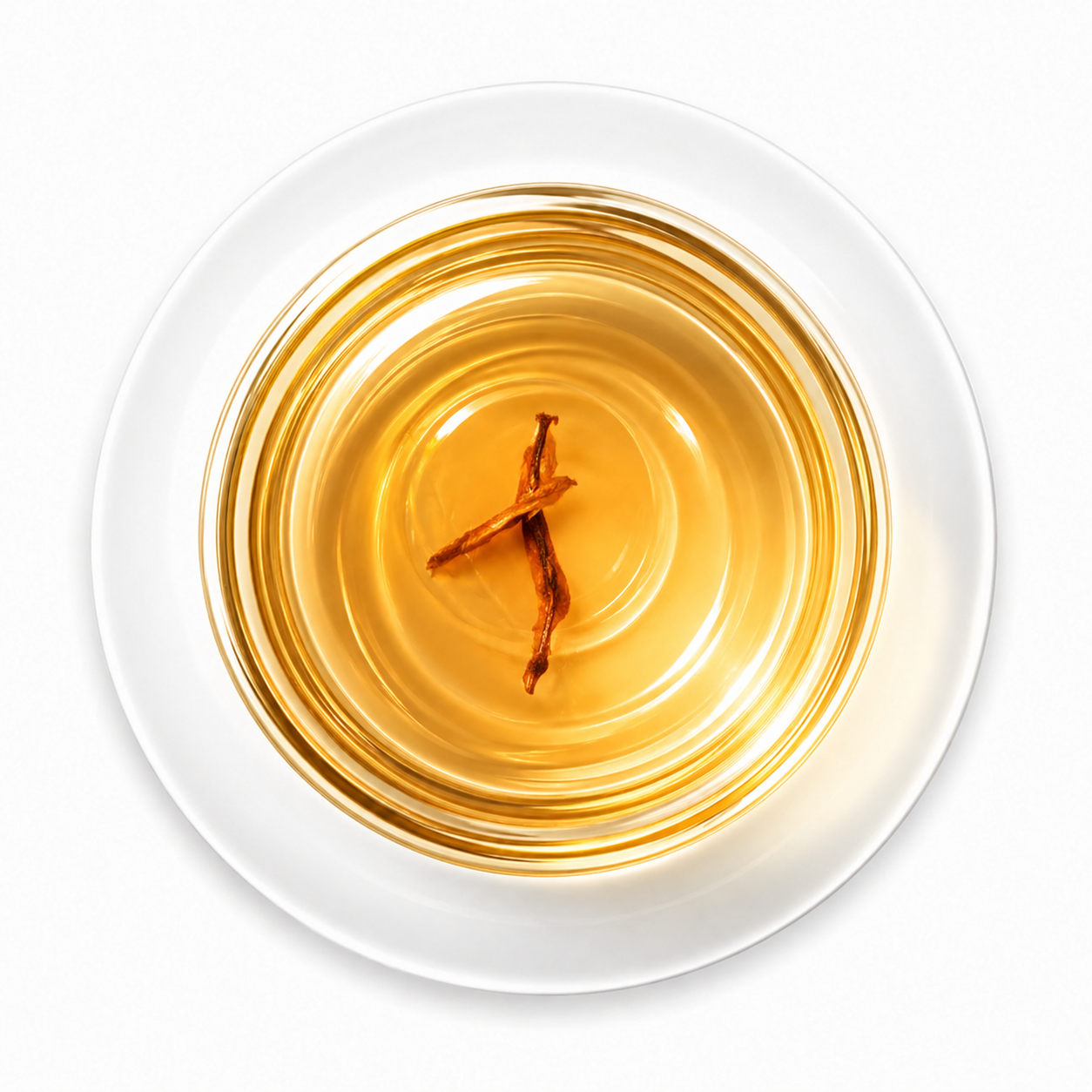
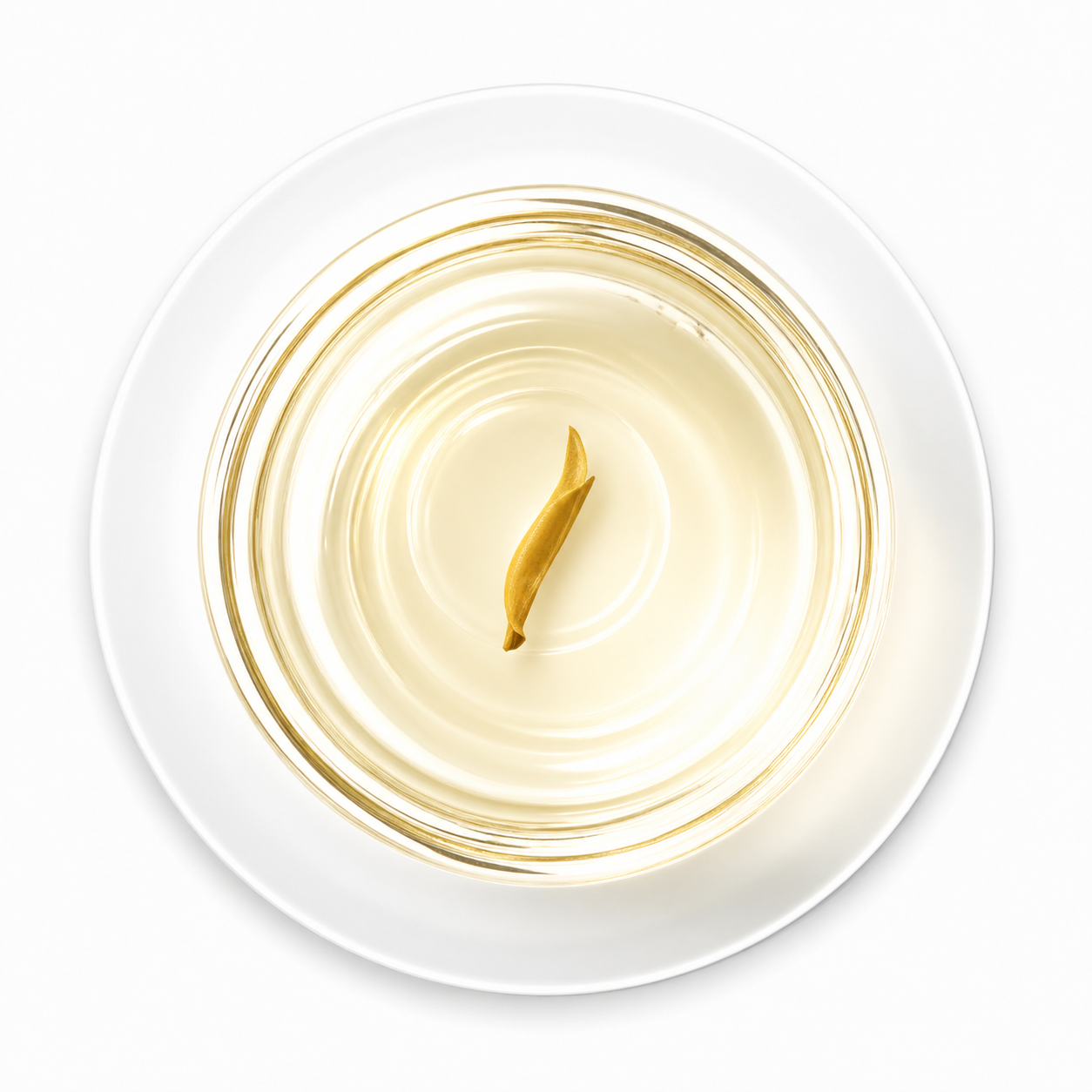
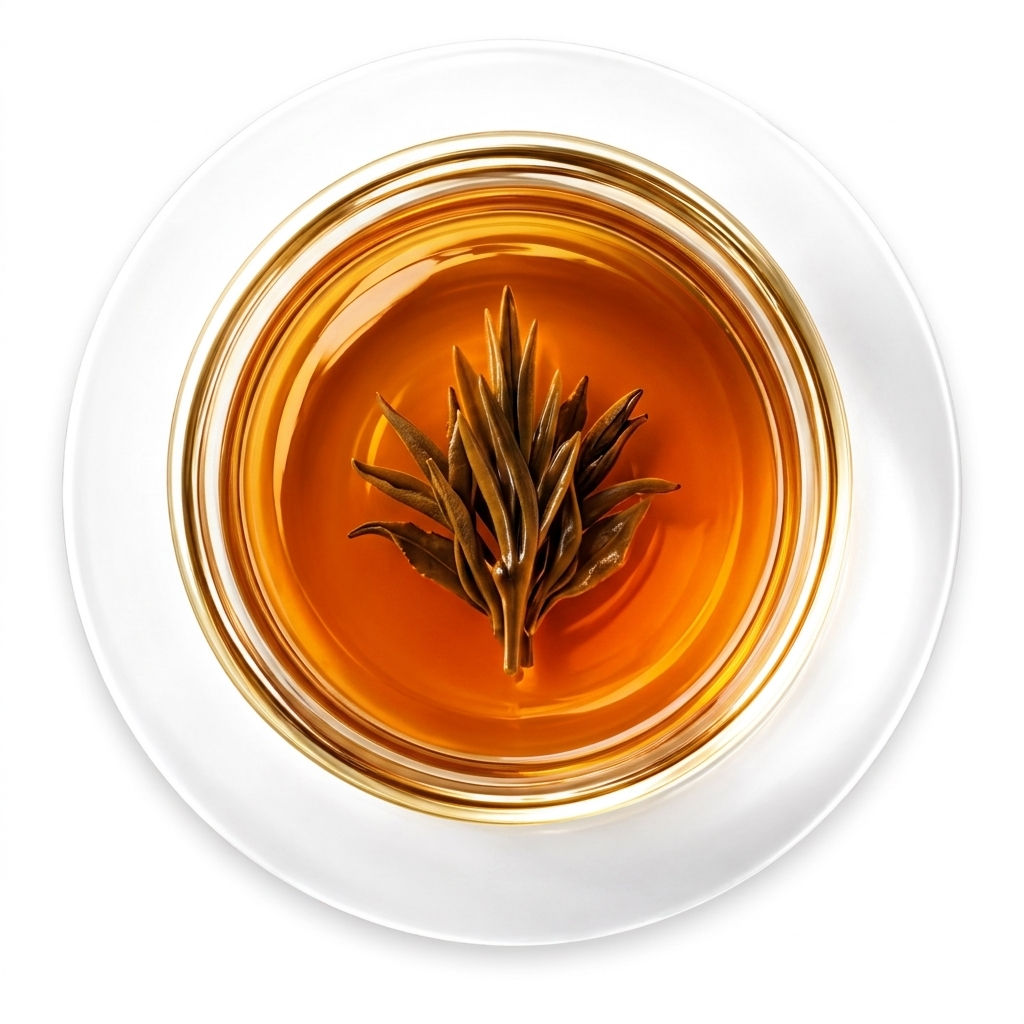
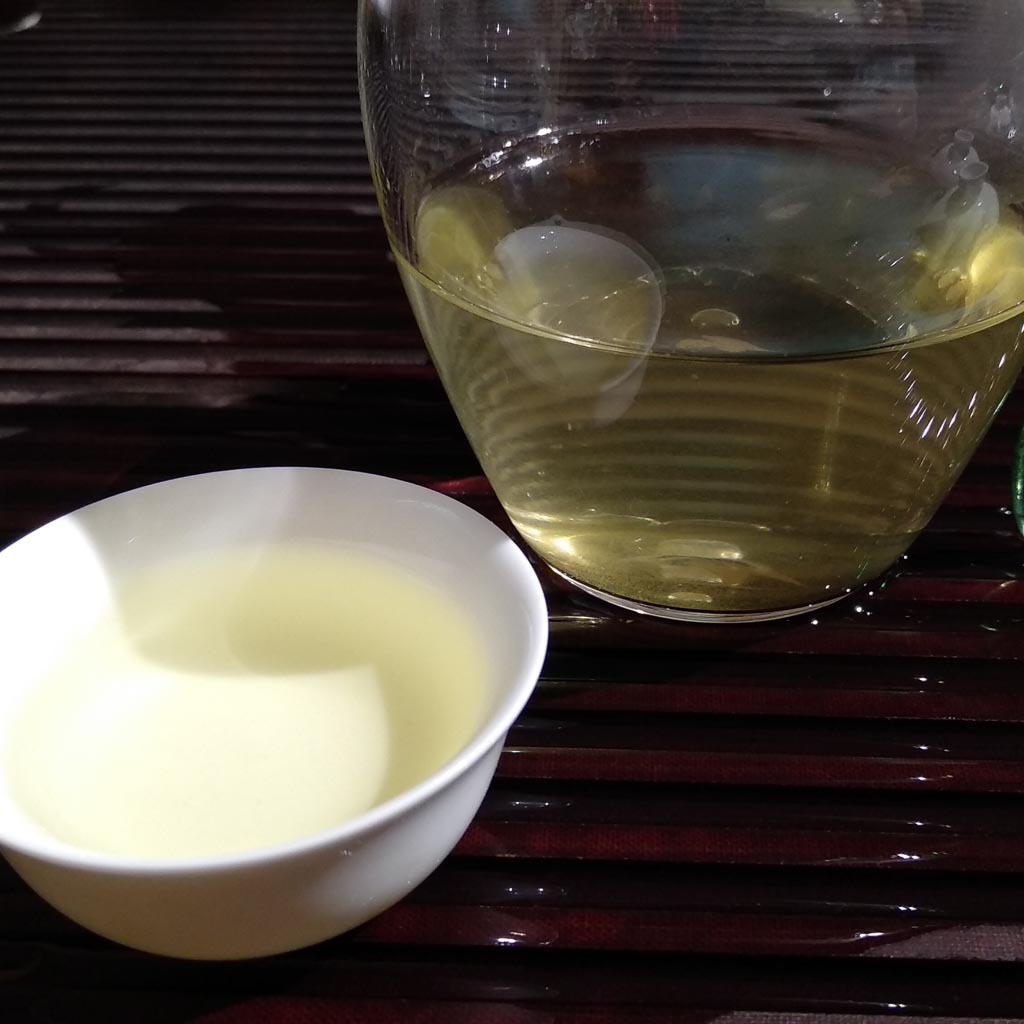
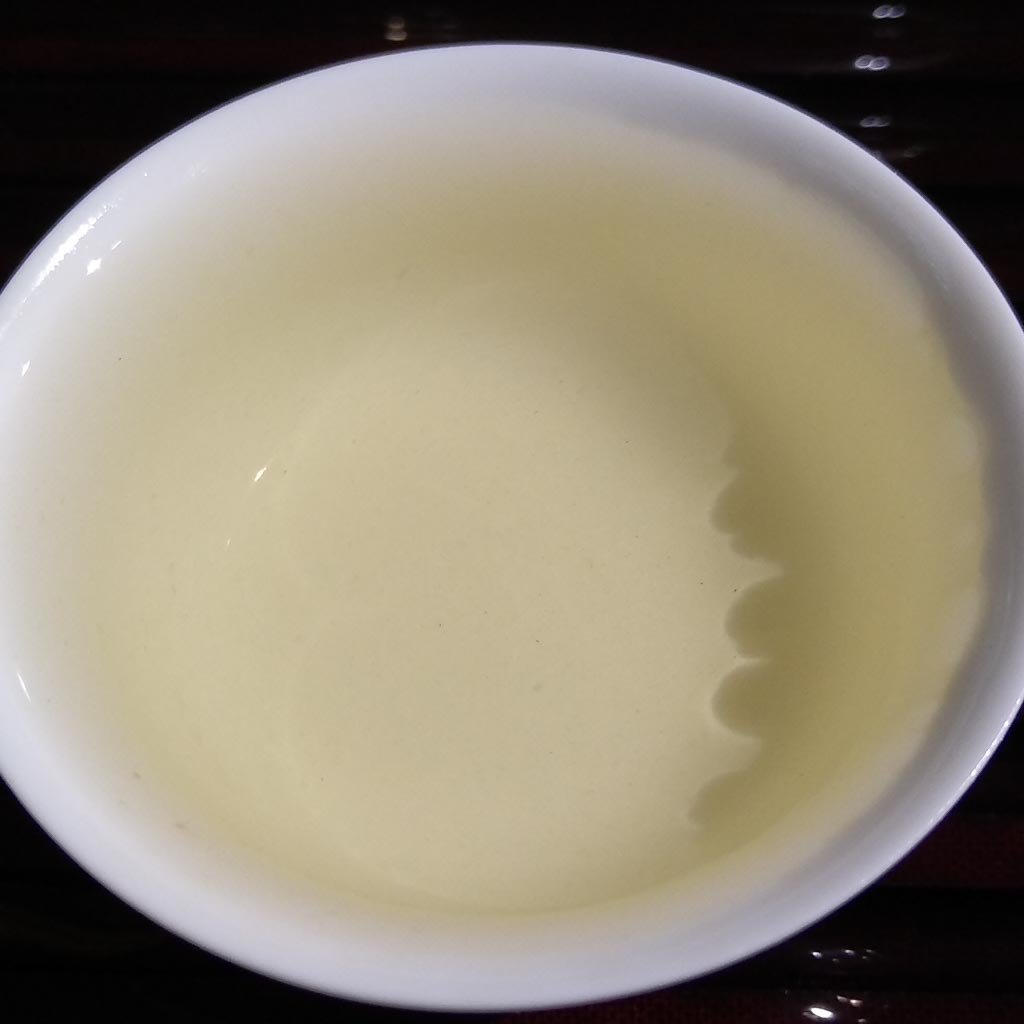
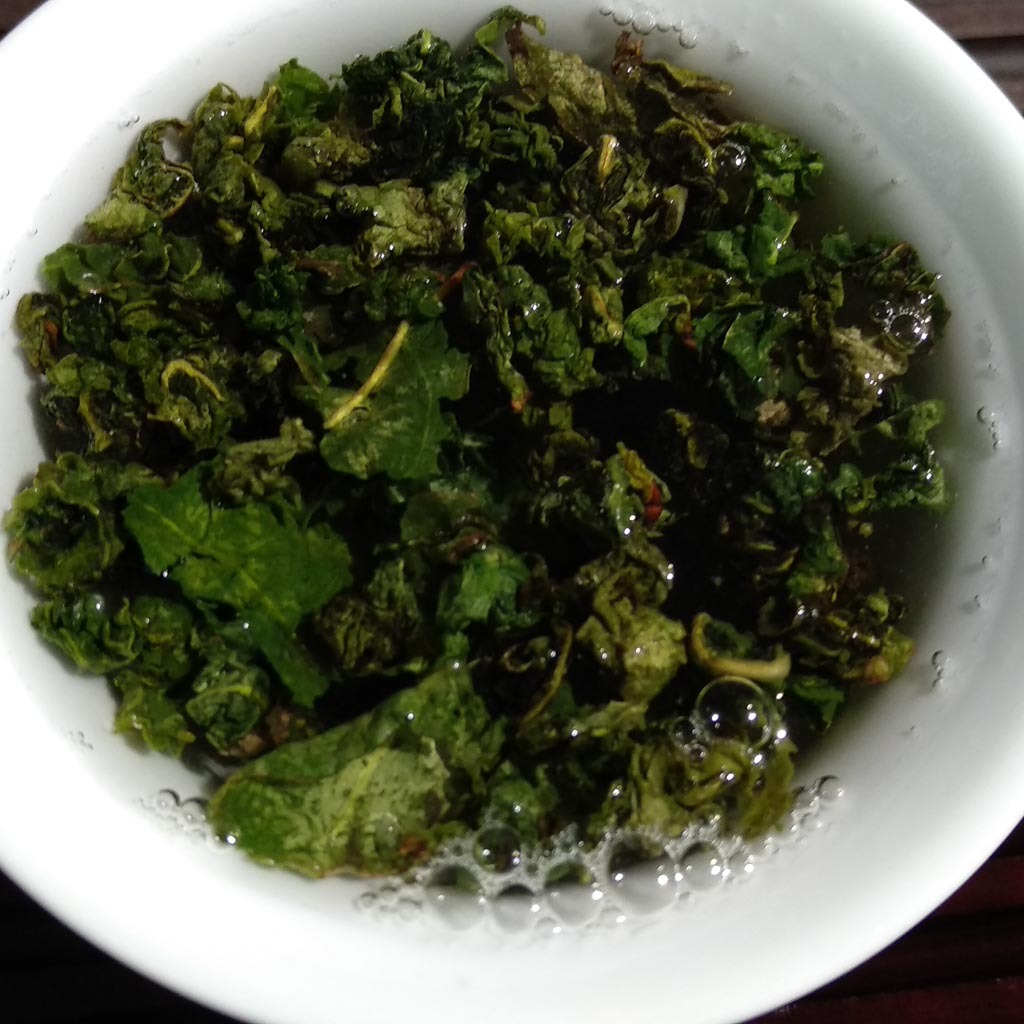
The Iron Goddess of Mercy is unique because its flavor profile can be dramatically altered by the tea master’s touch. Qing Xiang (Floral): These teas are lightly oxidized, resulting in a bright green liquor and a piercing aroma of fresh orchids. Nong Xiang (Fruity/Roasted): These undergo a traditional charcoal roasting process, which transforms the floral notes into a rich, honeyed fruitiness with hints of toasted nuts. In the Premium Chinese Tea Market, both styles are prized for their “living” quality, where the fragrance remains in the cup even after the tea is gone.
Anxi: The Soul of the Oolong
High-quality Iron Goddess of Mercy must come from Anxi, Fujian. The region’s red soil, rich in minerals and iron, along with the subtropical mountain climate, provides the perfect environment for the Tieguanyin cultivar. The FAO GIAHS system recognizes the Anxi tea culture as a globally important agricultural heritage, highlighting the sustainable and ancient methods used to produce this iconic variety.
- Orchid Fragrance: A natural, non-perfumed scent that is the hallmark of Tieguanyin.
- Velvety Texture: A thick, buttery mouthfeel that coats the palate.
- Guan Yin Yun: A deep, rhythmic aftertaste that resonates long after drinking.
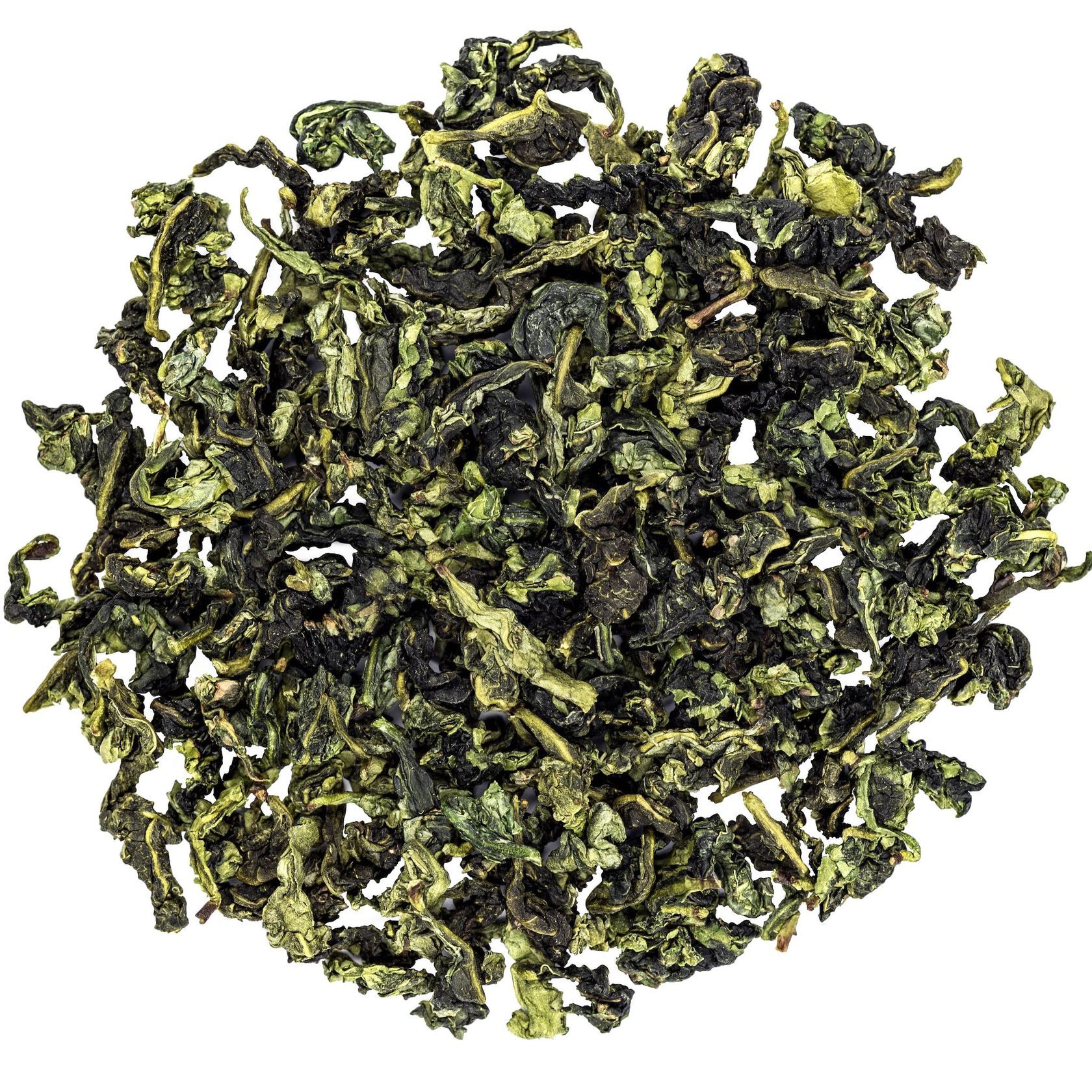
- Tight Roll: The leaves are rolled into heavy, dragonfly-head shapes that unfurl beautifully.
The Art of Complex Oxidation
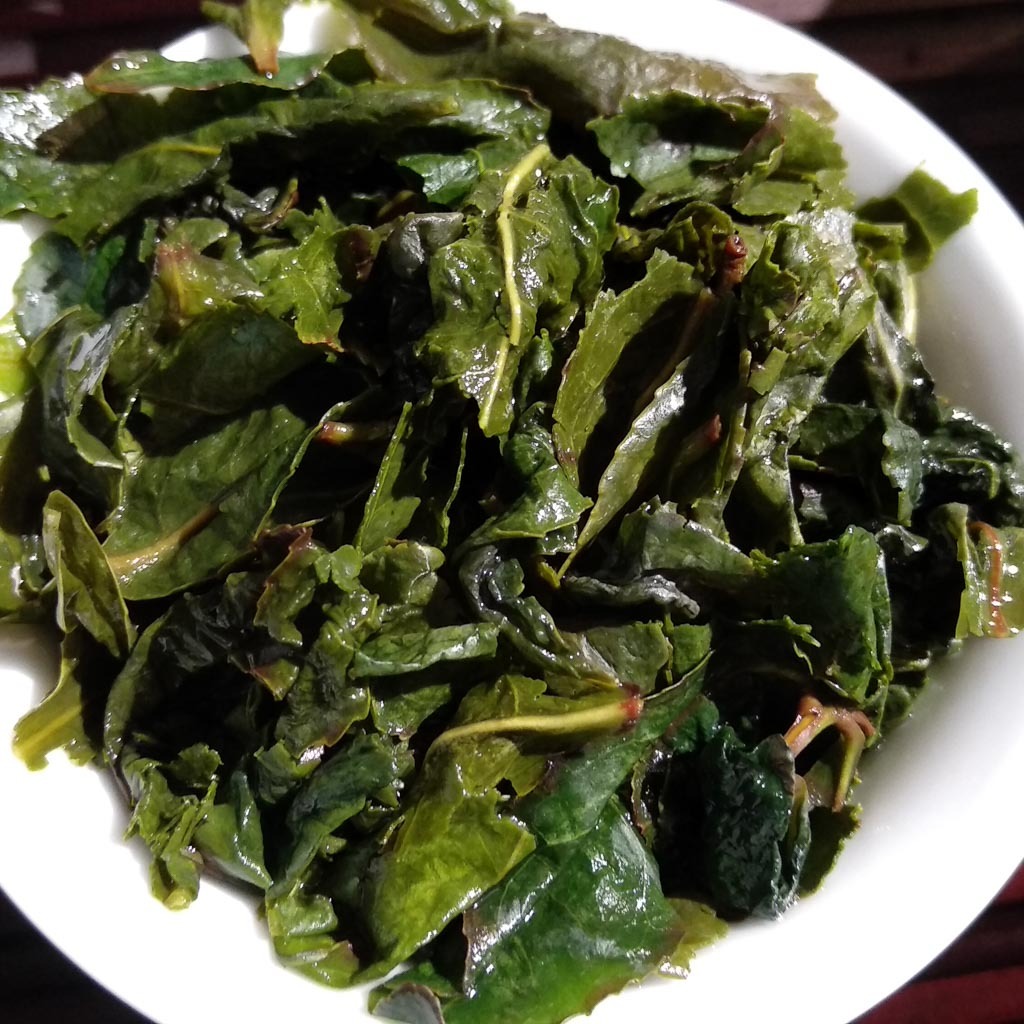
Processing this handcrafted tea is an exhausting 48-hour process. It involves “shaking the greens” (Yao Qing)—a repetitive tossing of the leaves that bruises the edges to control oxidation. This is what creates the famous “green leaf with red edges” look. The master must use their nose to determine the exact second to stop the oxidation, capturing the peak of the floral or fruity aroma before it fades. This precision is why Iron Goddess of Mercy is considered one of the most difficult teas to produce.
Connoisseur’s Insight: To test the authenticity of your Iron Goddess of Mercy, listen to the leaves. When dropped into a porcelain cup, high-quality Tieguanyin should produce a clear, metallic “clink”—a sign of its “iron” density and expert drying.
Understanding Quality Grades
Grades of this legendary Oolong are determined by the season of harvest and the elevation of the garden. Spring harvests are known for their intense fragrance, while Autumn harvests (known as “Autumn Fragrance”) are prized for their depth and body. The most expensive versions are grown above 800 meters, where the cool air slows growth and concentrates the aromatic oils, ensuring that the Iron Goddess maintains its elegance through 10 or more infusions.
Gongfu Brewing: Releasing the Divinity
To fully appreciate the Iron Goddess of Mercy, the Gongfu style of brewing is essential. This allows the tightly rolled leaves to slowly reveal their layers of flavor.
🍵 Porcelain Gaiwan
7g per 120ml
Temp: 95°C – 100°C
Time: 20s (Rinse), 15s, 20s, 30s…
Ideal for “Qing Xiang” styles to preserve the delicate floral orchid notes.
🫖 Yixing Zisha Pot
7g per 150ml
Temp: 100°C (Boiling)
Steeps: 30s, 30s, 45s, 60s…
Perfect for “Nong Xiang” styles; the clay enhances the warm, fruity, and roasted character.
🔍 Iron Goddess of Mercy FAQ
Is Tieguanyin a green tea?
No, it is an Oolong tea. While light versions look green, the processing makes it a partially oxidized tea, offering more complexity than green tea.
Does it contain caffeine?
Yes, Iron Goddess of Mercy provides a moderate caffeine boost, balanced by high levels of L-theanine for a focused yet calm energy.
How long does it last?
Lightly oxidized versions should be stored in the freezer or fridge to maintain freshness. Roasted versions are stable at room temperature and may even improve with age.