



White Hairy Monkey
⚠️ Connection Notice:
If WhatsApp fails to open, please tap the ··· icon at the top right and select “Open in Browser”.
If WhatsApp fails to open, please tap the ··· icon at the top right and select “Open in Browser”.
A fascinating addition to our Green Tea Collection, White Hairy Monkey (Bai Mao Hou) is a tea that blurs the lines between nature and myth. While technically a green tea from the Fujian province, its visual appearance is often mistaken for white tea due to the thick layer of silvery down covering its leaves. It is a rare, delicate variety that offers a uniquely clean, honey-like sweetness.
According to ancient accounts, White Hairy Monkey was named after a mystical creature who came to the aid of a lost, hungry traveler. Deep in a forest thicket, the White Monkey led the wanderer to extraordinarily fragrant tea bushes. This celestial plant saved the traveler from exhaustion. While less mystical accounts suggest the name comes from the actual white monkeys that once inhabited the region, the spirit of “healing” remains central to the tea’s identity.
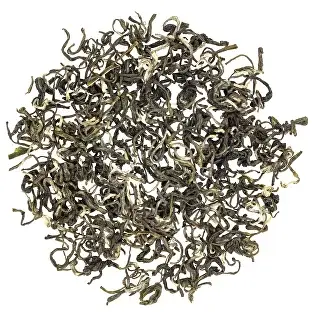
The name Bai Mao Hou literally translates to “White Hair Monkey.” The raw material is harvested from an area where the tea’s protruding stems, covered in delicate white down, resemble the tail of a monkey. Unlike many green teas that are rolled into tight pearls or needles, White Hairy Monkey preserves the integrity of its silver down (trichomes) throughout the entire production process.
Formal production of White Hairy Monkey began in 1910. It was initially crafted specifically for export to Southern China’s Guangdong Province, Hong Kong, and Macau. Its popularity in these regions was instantaneous, as tea lovers in the south appreciated its lighter, more sophisticated profile compared to the bolder oolongs typically found in those markets.
The quality of Bai Mao Hou is defined by rigid plucking standards. Only the young bud and the two upper leaves that frame it are collected. These leaves must be pristine; any damaged or broken material is rejected at the source. This careful handling ensures that the finished product maintains its “fuzzy” appearance and avoids the bitterness associated with broken leaf tannins.
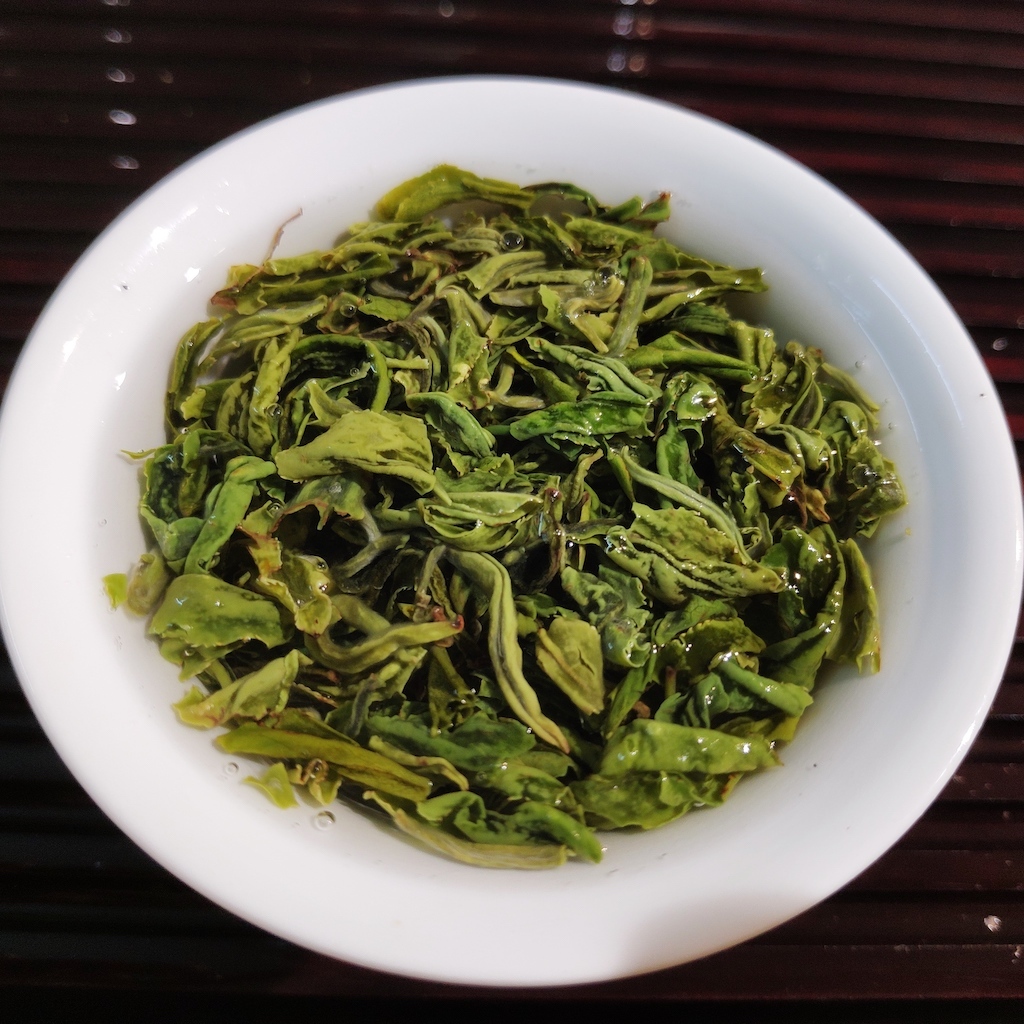
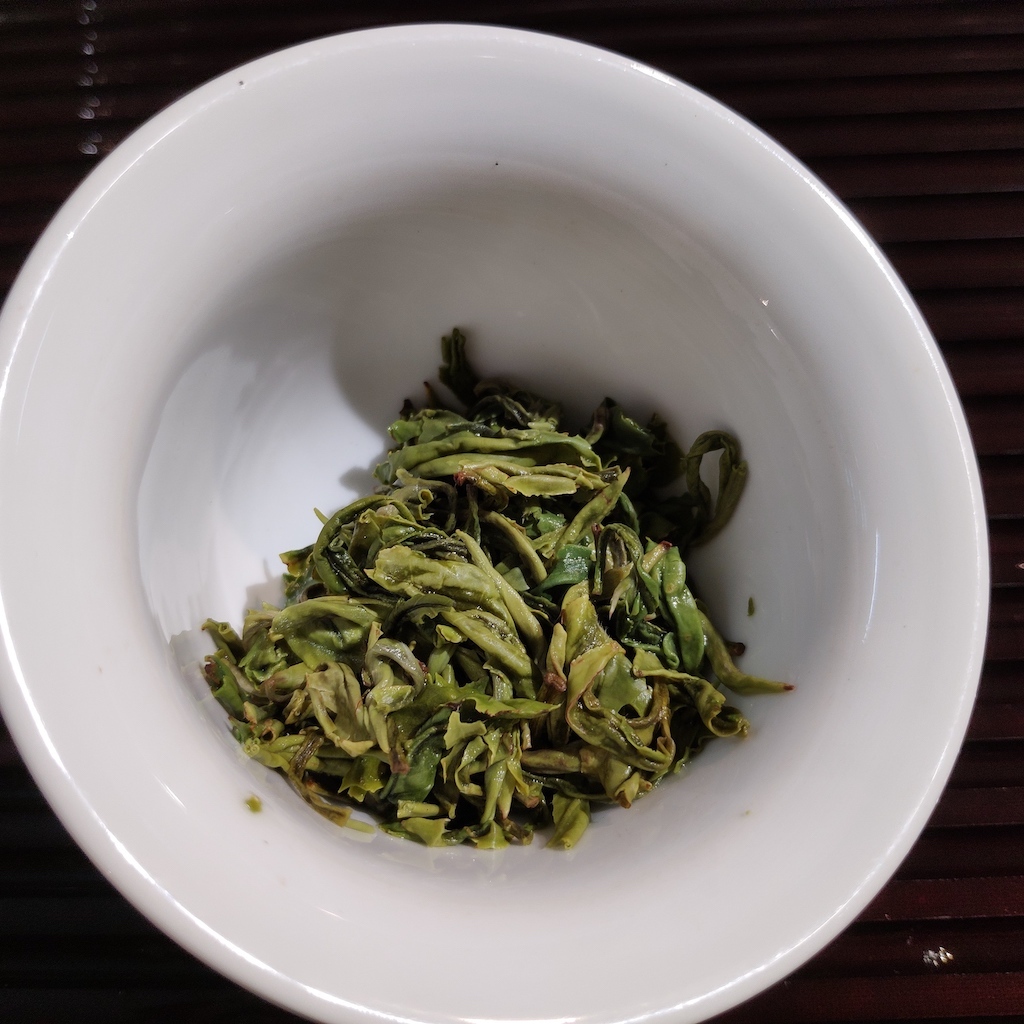
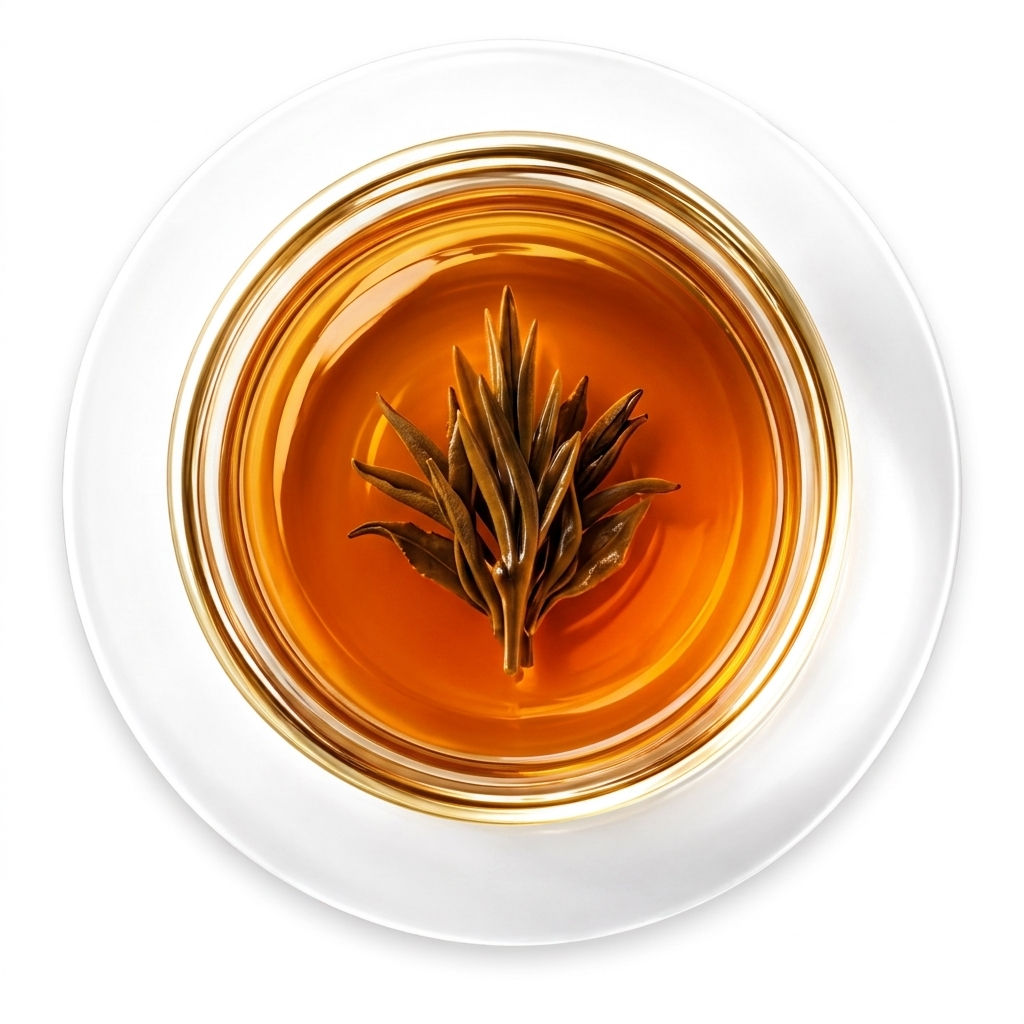
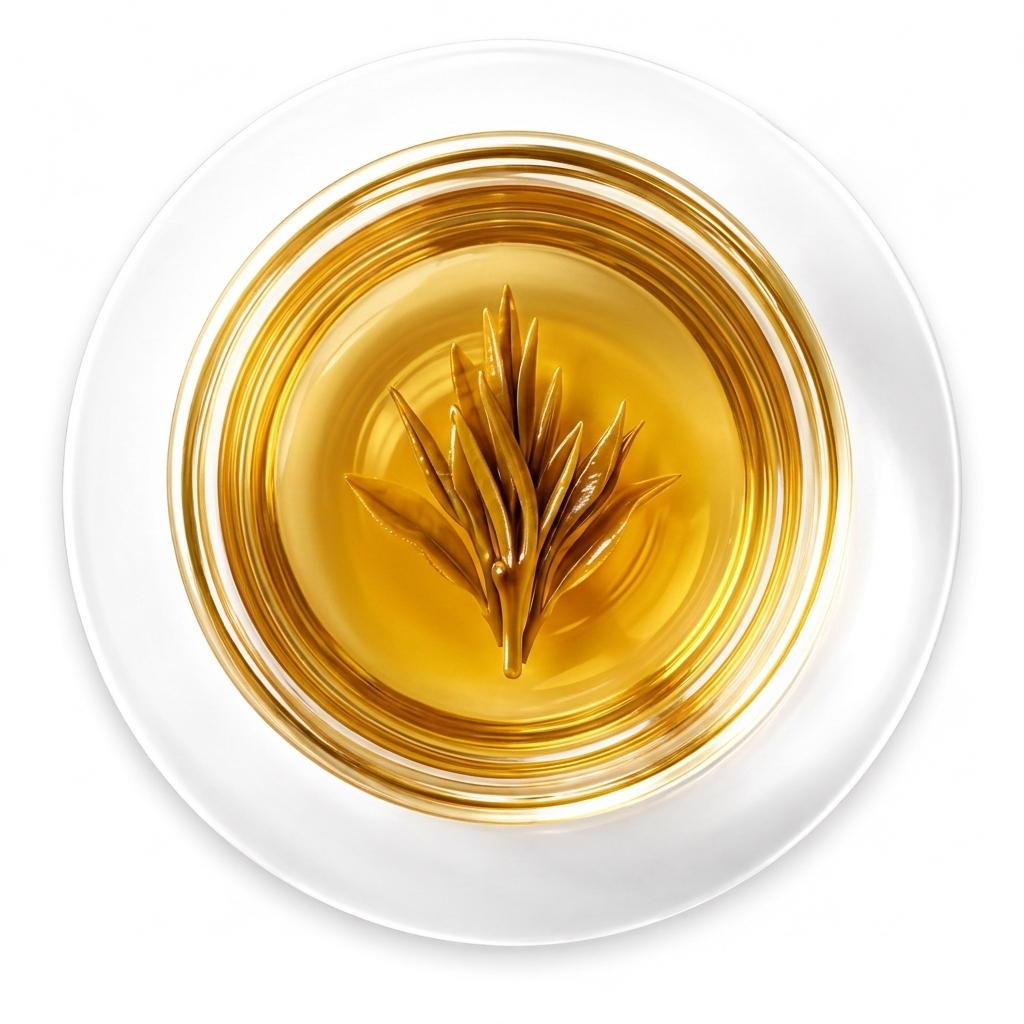
Because the “white hair” (down) is so delicate, avoid using boiling water, which can scald the fine fibers and lead to a cloudy infusion. High-quality Porcelain Teaware is ideal for showcasing the tea’s clarity.
3g per 400ml
Temp: 80°C (176°F)
Time: 2-3 Minutes
Highlights the honey sweetness and airy floral notes.
5g per 150ml
Temp: 85°C (185°F)
Steeps: 4-5 rounds
Short steeps bring out a subtle savory, “umami” characteristic.
It is technically a green tea because it undergoes a “fixing” process to stop oxidation. However, because it is made from very young buds with high down content, it shares many sensory characteristics with white teas like Silver Needle.
The name comes from the thin, curled leaves and fuzzy white stems that resemble a monkey’s tail, as well as the legends of white monkeys living in the tea’s home mountains.
Look for whole, unbroken “sets” of one bud and two leaves. The more “furry” and silvery the leaves look, the higher the concentration of young buds.
Curated for the global tea community.