
Silver Snail
⚠️ Connection Notice:
If WhatsApp fails to open, please tap the ··· icon at the top right and select “Open in Browser”.
If WhatsApp fails to open, please tap the ··· icon at the top right and select “Open in Browser”.
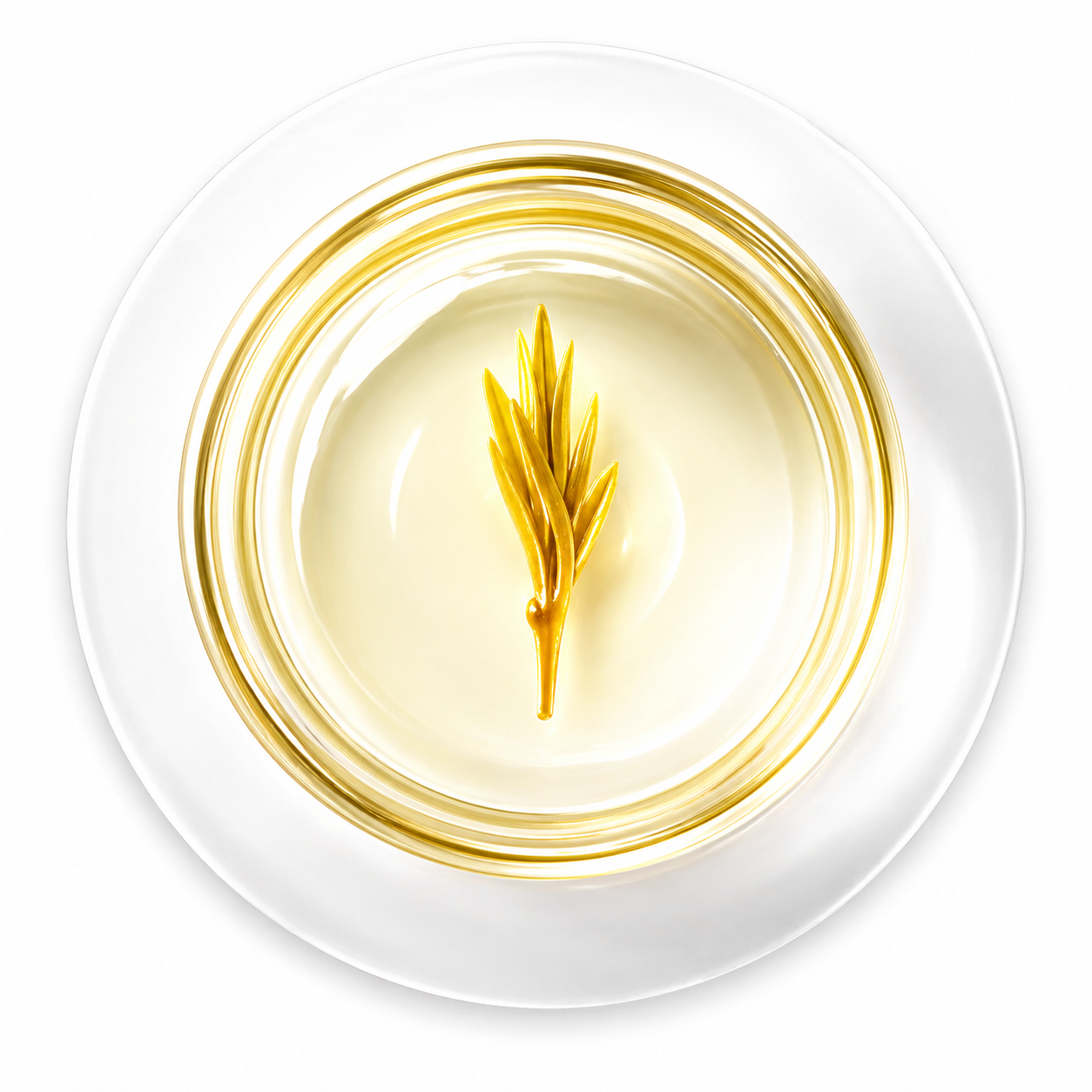
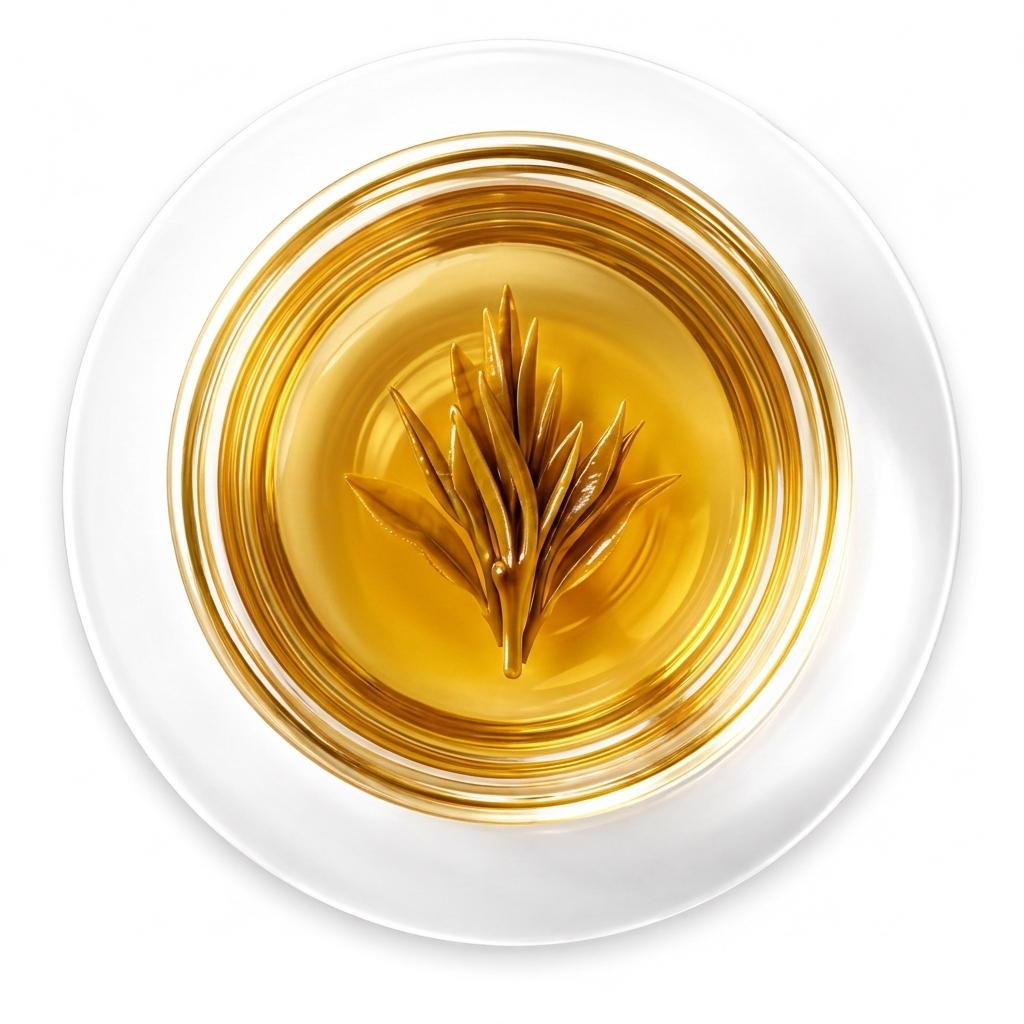
A sophisticated highlight of our Green Tea Collection, Silver Snail (Yin Luo) is a tea that challenges traditional definitions. While it is harvested from the same robust bushes used for prestigious white teas, its processing follows the high-heat curling methods of classic greens. This “hybrid” nature results in a tea that possesses the velvety mouthfeel of a white tea and the vibrant, refreshing soul of a green.
Classifying Silver Snail presents a delightful difficulty for tea experts. Some insist it is a white tea because the raw materials—young buds covered in protective silver down—are identical to those used for Silver Needle. However, others firmly place it in the Green Tea category due to the specific pan-firing and rolling procedures it undergoes. Regardless of its label, its “elite” status remains undisputed among connoisseurs.
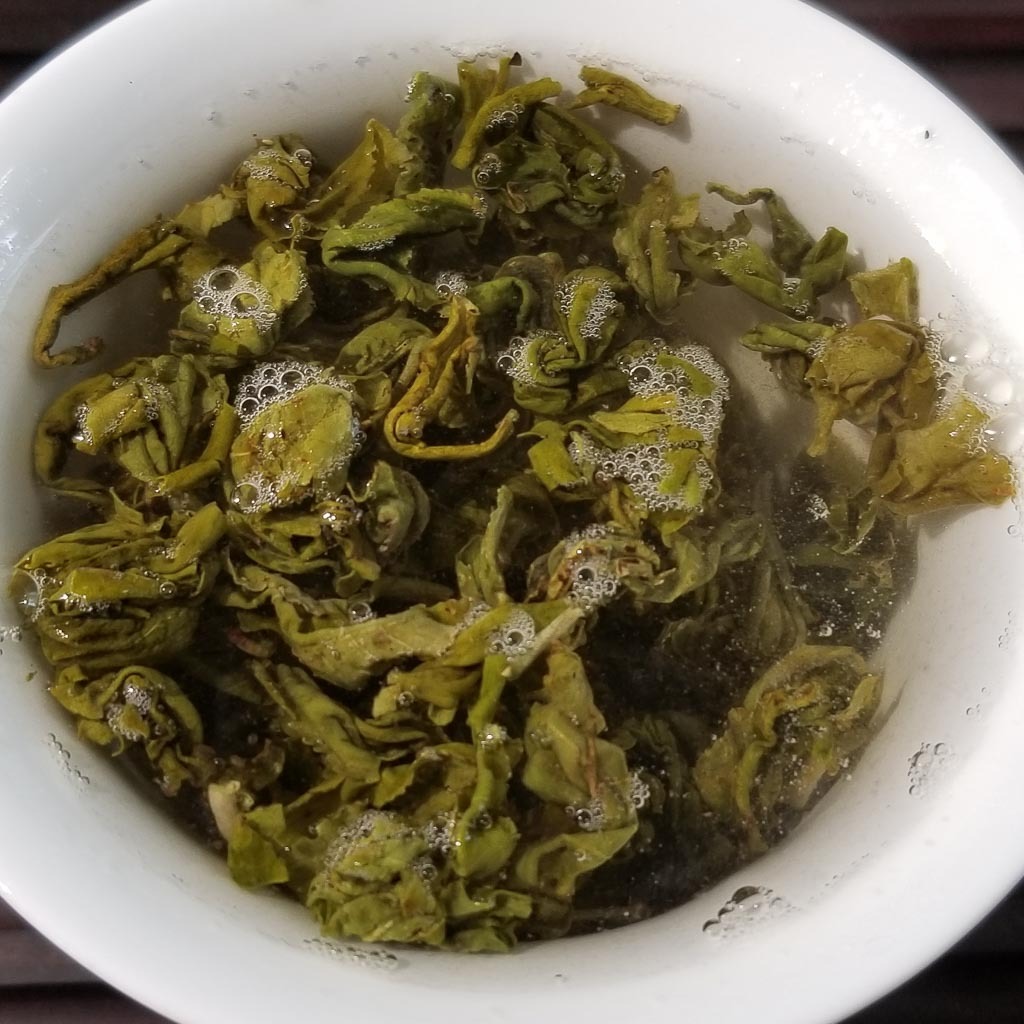
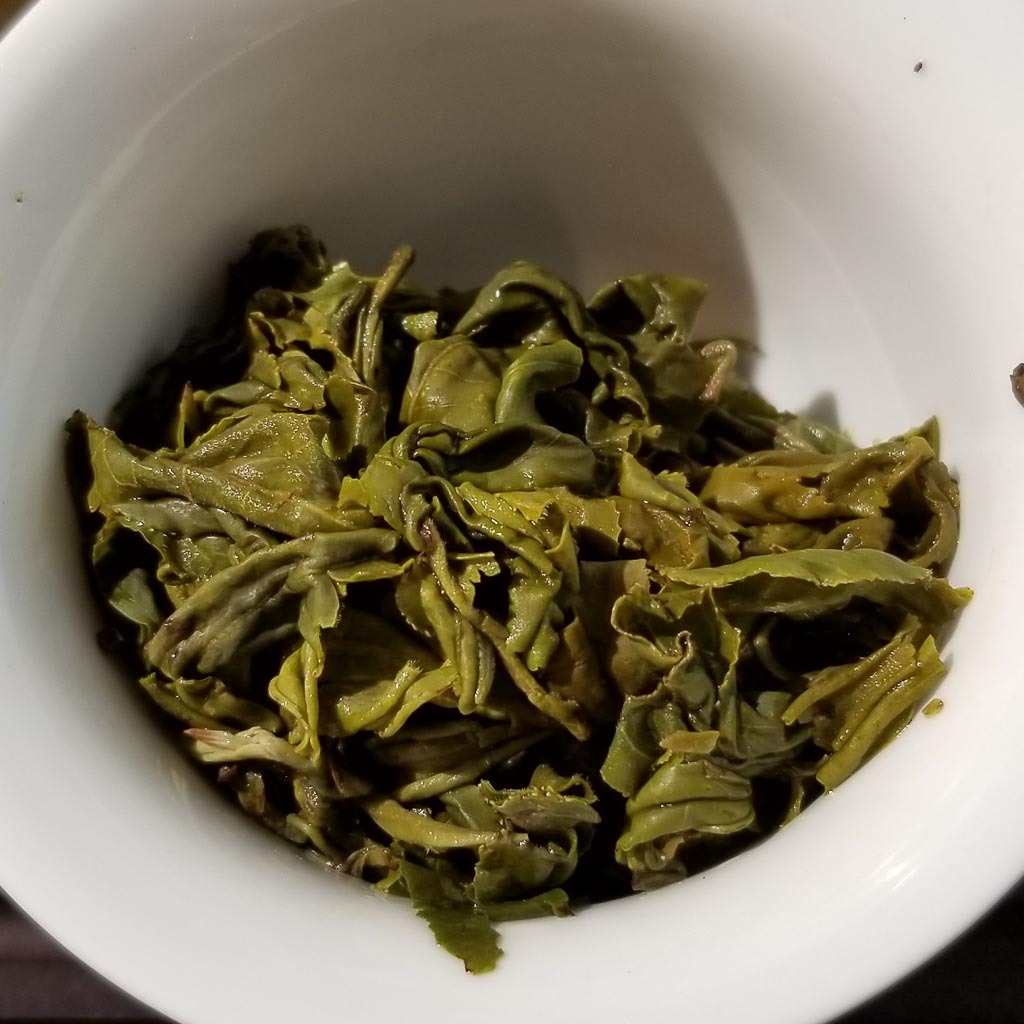
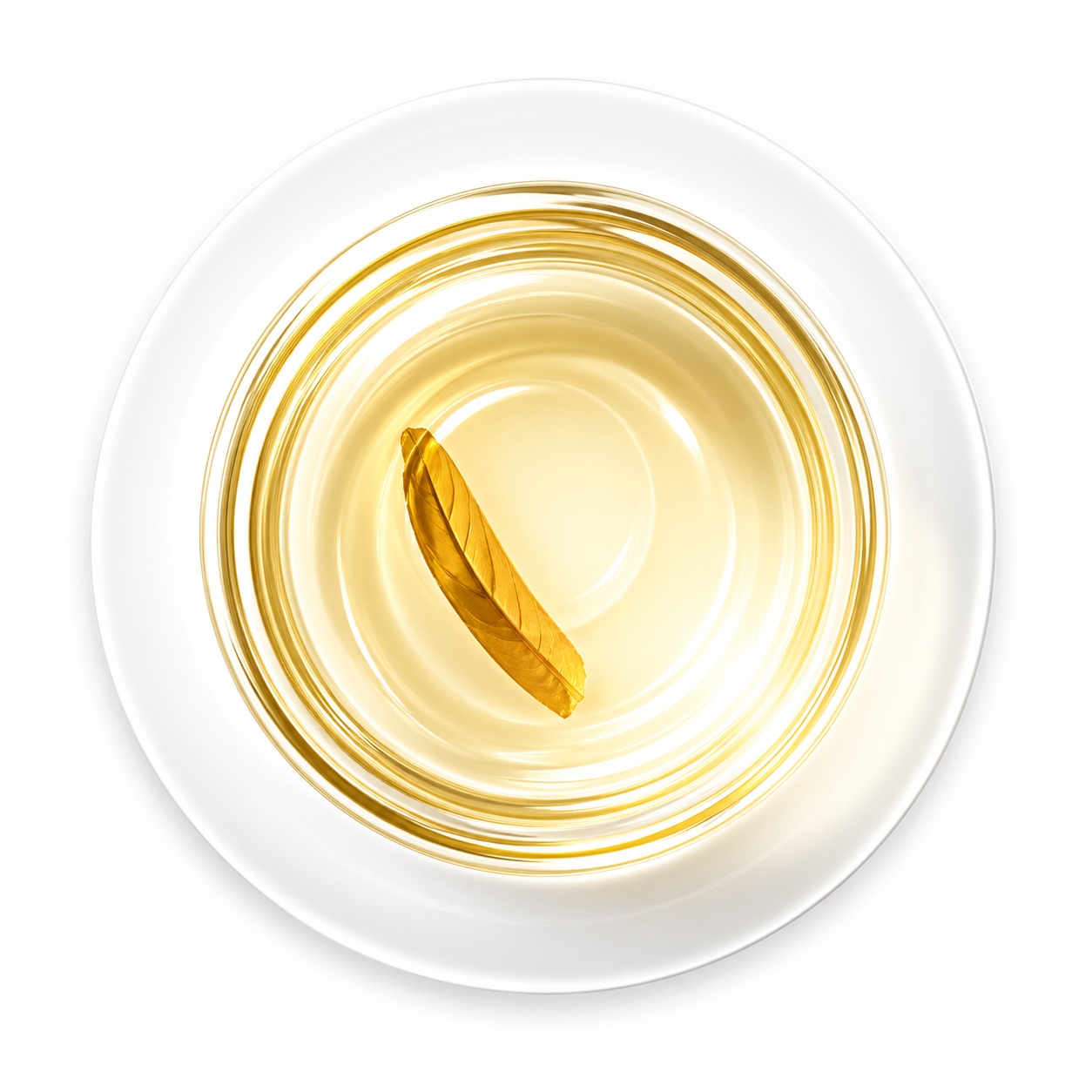
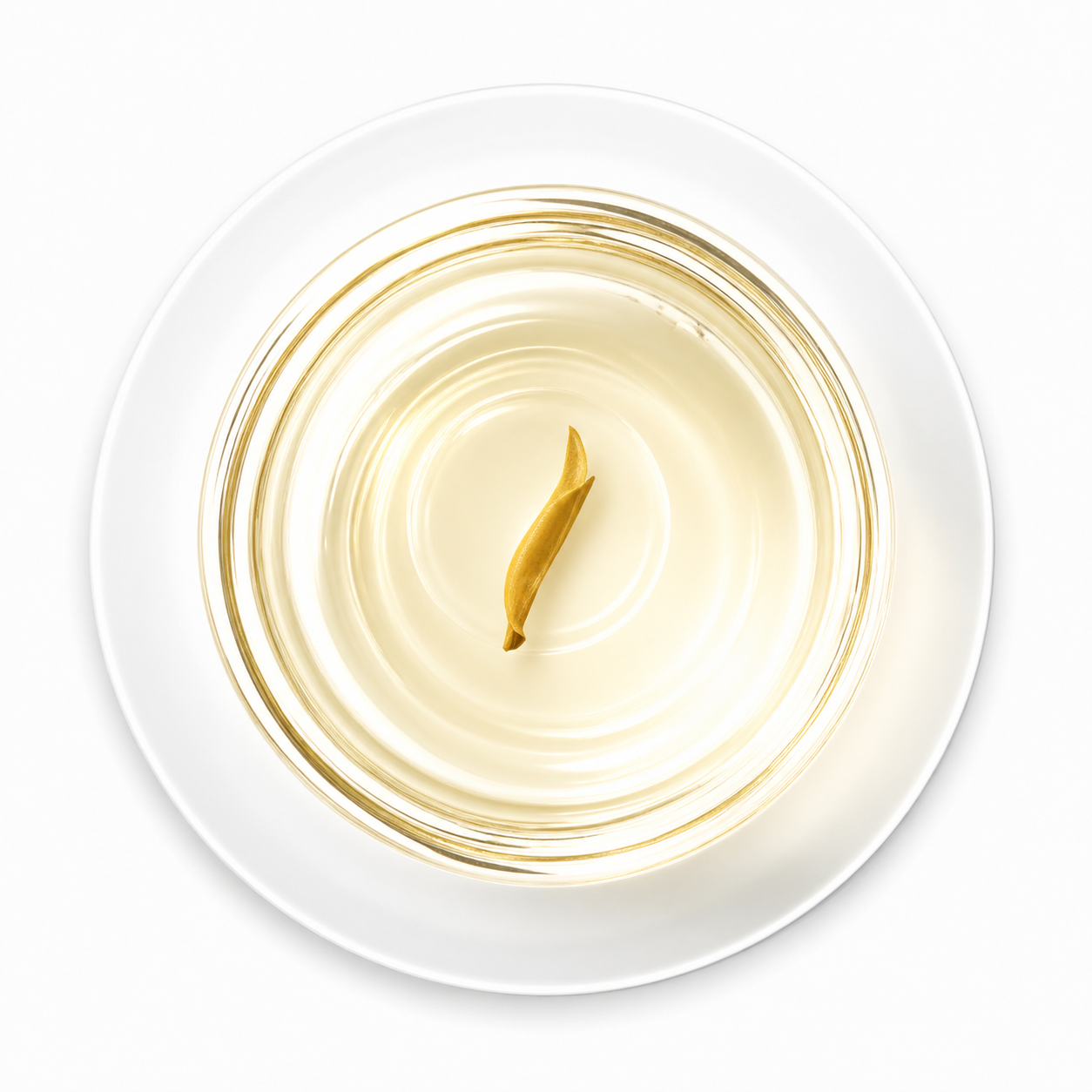
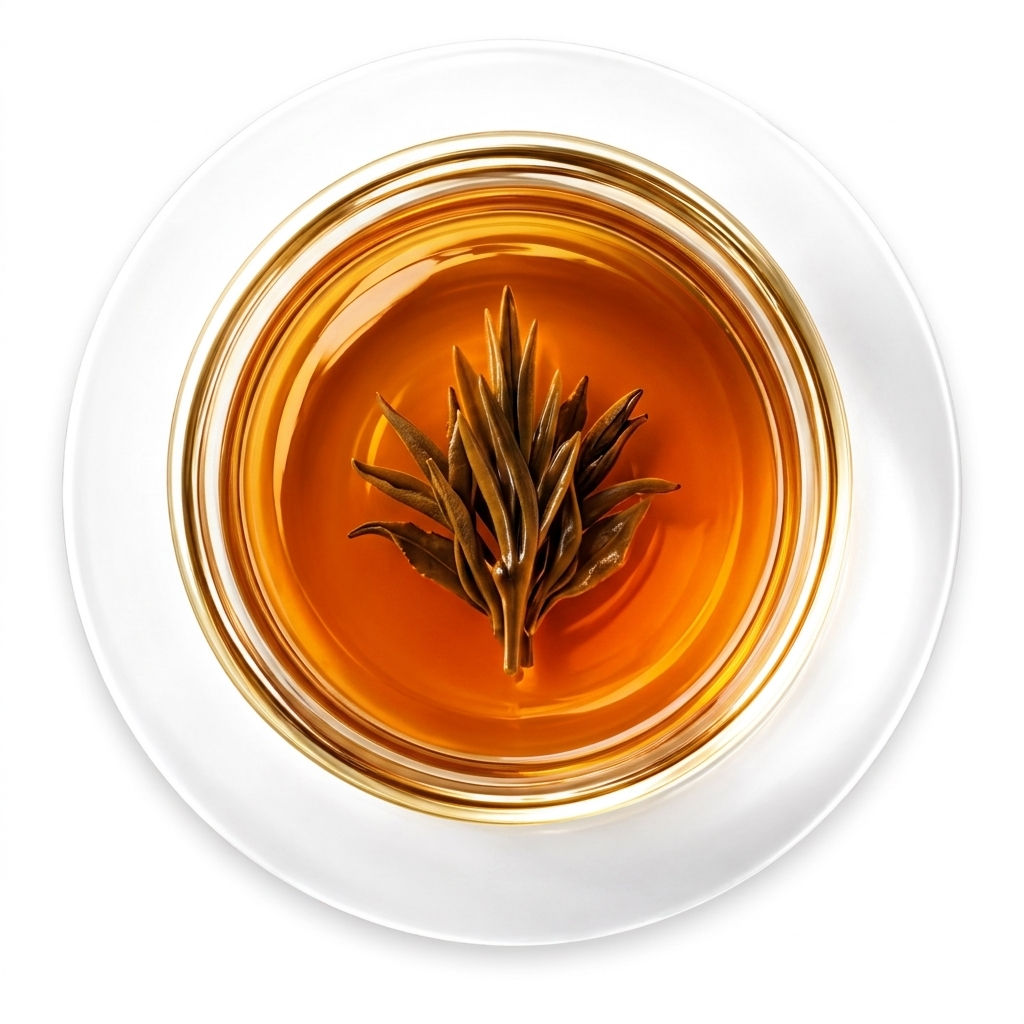
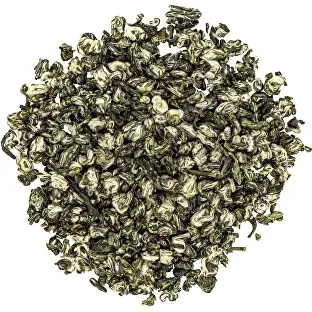
The unusual name comes from the tea’s tightly twisted form. Each bud is carefully rolled into a small spiral, mimicking the shape of a snail’s shell. This isn’t just aesthetic; the spiral shape protects the delicate silver down (trichomes) and allows for a gradual release of flavor as the “snails” slowly unfurl in the water.
The creation of the Silver Snail shape is a labor-intensive process that requires immense skill. During the final stage of production, tea masters use specialized bamboo sticks to assist in twisting the leaves into their tiny, uniform spirals. This method ensures that the buds are curled tightly without breaking the structure, preserving the integrity of the leaf and the silver fuzz that gives the tea its shimmering appearance.
Only the youngest, most pristine tea buds are selected for Yin Luo. Because buds are the most tender part of the plant, they contain the highest concentration of L-theanine and antioxidants. This gives Silver Snail its famous “mellow” energy and a clear, shimmering liqueur that sparkles in the cup.
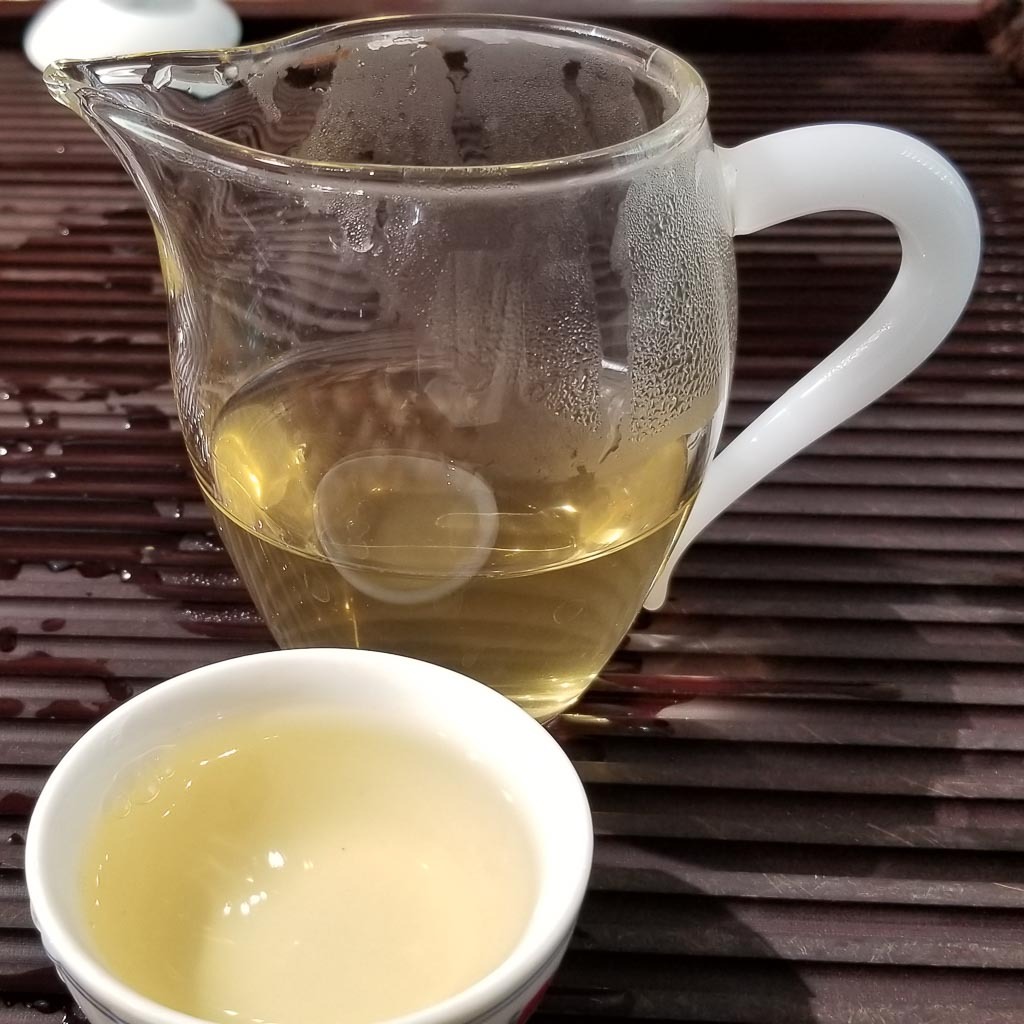
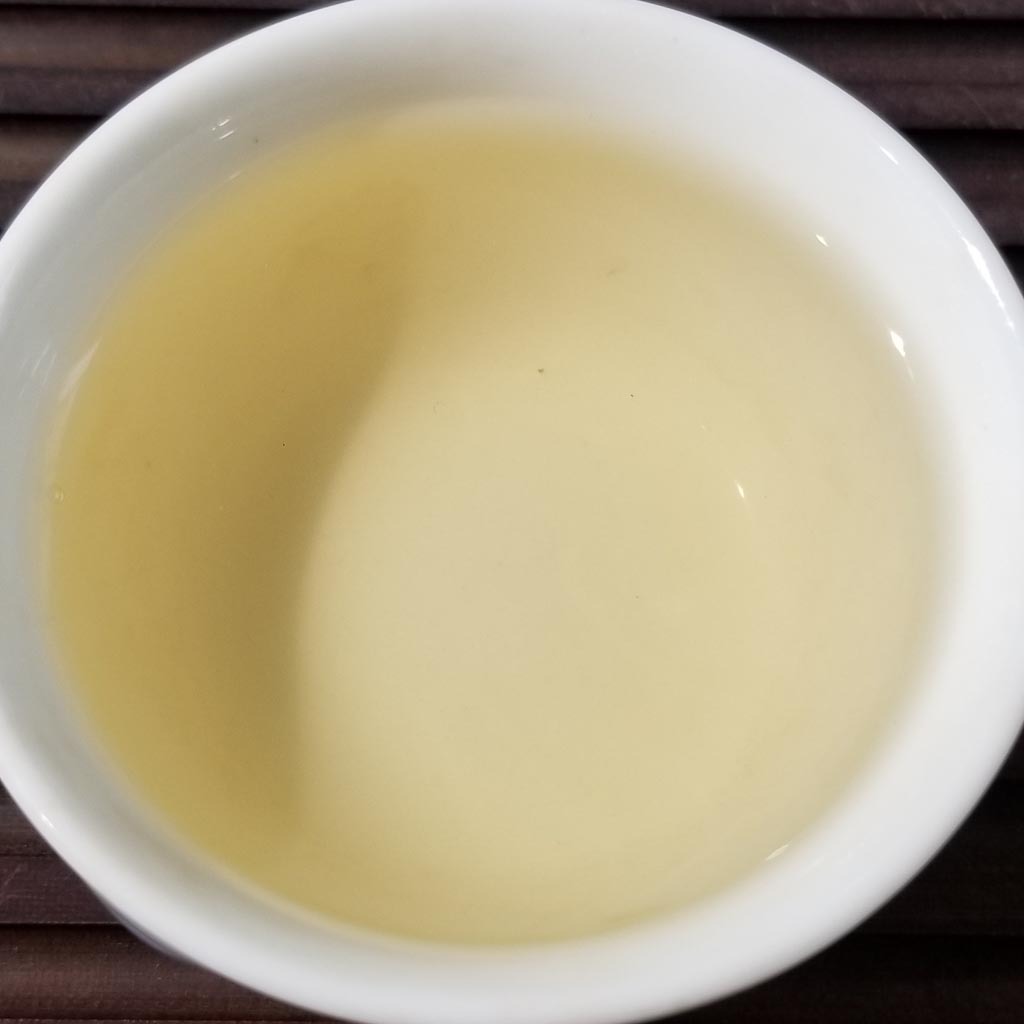
Because of its high bud content and delicate silver down, Silver Snail is sensitive to heat. Using boiling water will “cook” the buds and hide the subtle floral notes.
3g per 400ml
Temp: 75°C – 80°C (167°F)
Time: 2-3 Minutes
Brings out a silky texture and a naturally sweet, airy finish.
5g per 150ml
Temp: 80°C (176°F)
Steeps: 4-5 rounds
Short infusions will highlight the tea’s evolving umami and honey layers.
It is different. While both are “snail” shaped, Silver Snail is made from white tea cultivars, giving it a much softer, more “velvety” mouthfeel compared to the bright, vegetal “bite” of Biluochun.
This refers to the thick coat of tiny silver hairs (down) that naturally cover the young buds. After processing, these hairs remain visible, making the spirals look silver-frosted.
Yes. Since Silver Snail consists of elite, tender buds, they are very soft and packed with nutrients. They have a pleasant, slightly nutty taste after brewing.
Curated for the global tea community.