Nanjing Rain Flower
⚠️ Connection Notice:
If WhatsApp fails to open, please tap the ··· icon at the top right and select “Open in Browser”.
If WhatsApp fails to open, please tap the ··· icon at the top right and select “Open in Browser”.
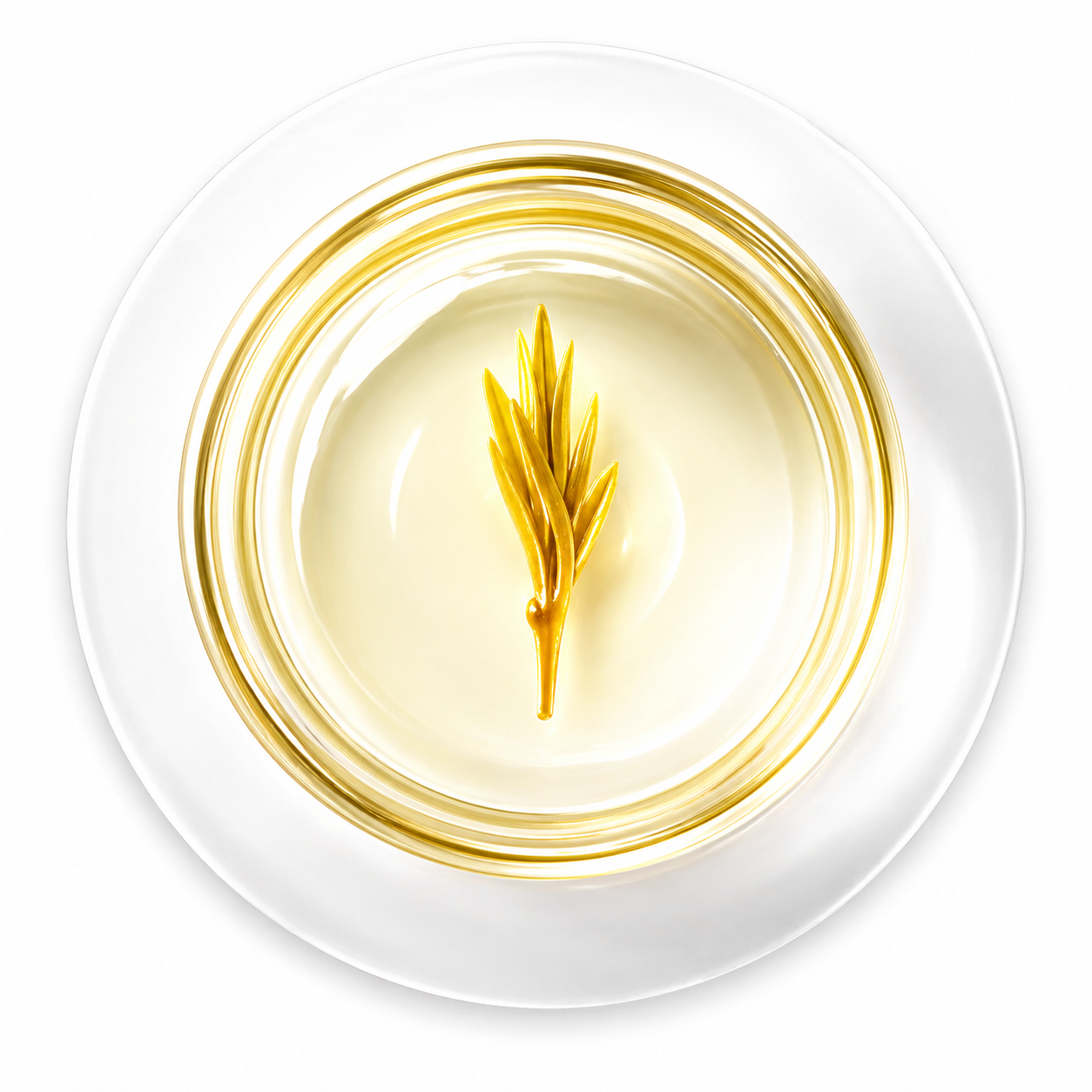
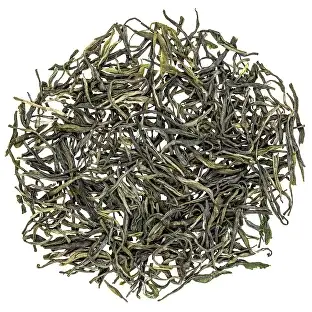
A prestigious member of our Green Tea Collection, Nanjing Rain Flower (Yu Hua Cha) is more than just a beverage; it is a cultural icon of Nanjing. Created in the mid-20th century, this tea is celebrated for its needle-like shape, vibrant emerald color, and a refreshing floral aroma that captures the essence of early spring in the Yangtze River Delta.
The tea is named after the famous Rain Flower Terrace (Yuhuatai Park) in Nanjing. Local folklore dates back to the 5th century AD, telling of a Zen master whose preaching was so moving that heaven rained flowers. Upon touching the earth, these flowers transformed into colorful, translucent stones. Visitors today can still find these beautiful “Rain Flower Stones” in the park, serving as a reminder of the area’s spiritual heritage.
While many teas boast millennia of history, Nanjing Rain Flower was specifically developed in 1958. It was crafted by top tea masters to commemorate the martyrs of the revolution, with its needle-like shape symbolizing the strength and resilience of those who fell. Since its inception, it has consistently ranked among China’s “Top Ten Famous Teas,” winning multiple international gold medals for its refined processing.
The production of Nanjing Rain Flower is an exercise in extreme patience. Because the tea consists exclusively of tender, young buds collected in early spring, the density of raw material is incredible. It takes approximately 200,000 individually hand-picked buds to produce just one kilogram of finished tea. This high concentration of buds gives the tea its signature “pure gold” clarity and a high concentration of amino acids, resulting in a sweet, umami finish.
The Chinese government maintains strict control over the production of this variety. Suitable raw materials are grown only in designated ecological zones in Nanjing, where the soil acidity and microclimate are perfect. Every step—from the “killing-green” (de-enzyming) to the final needle-shaping—is standardized to ensure that every cup provides the same refreshing, chestnut-like aroma and long-lasting sweetness.
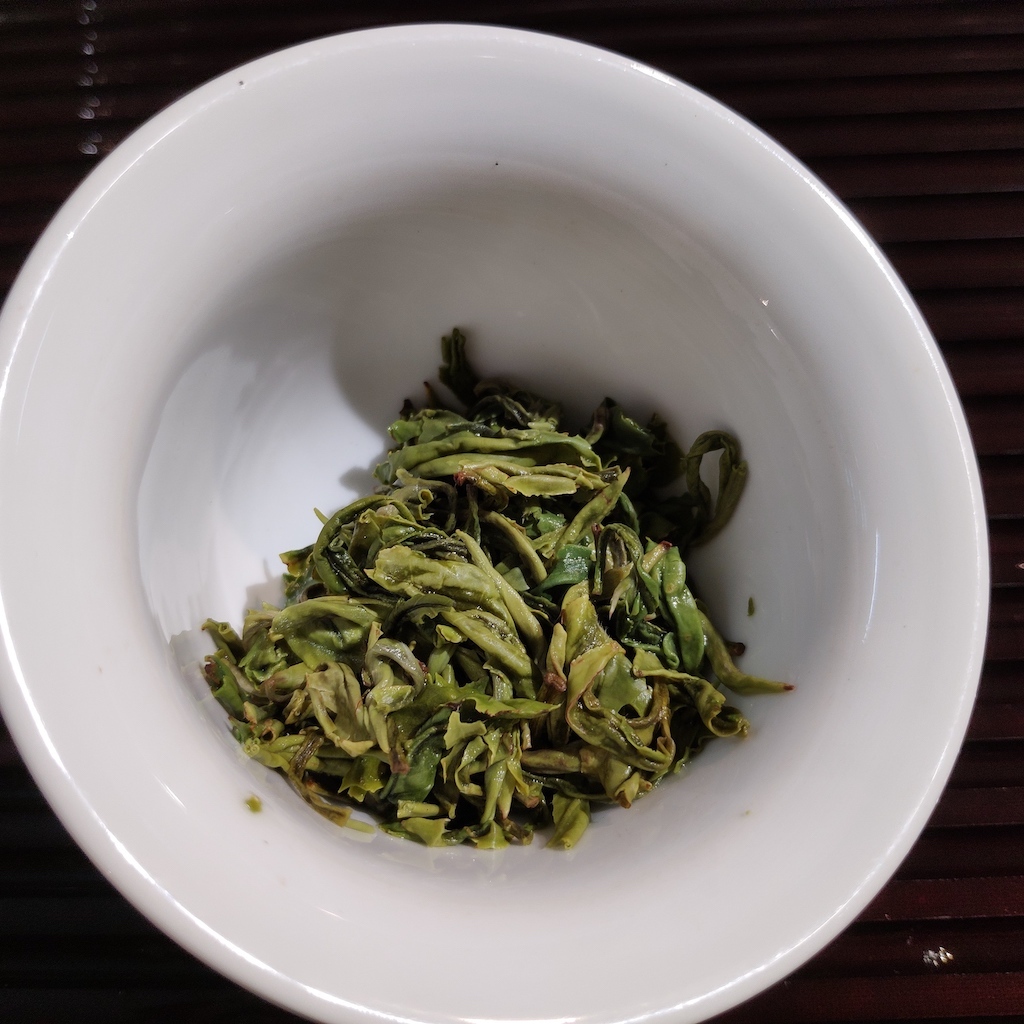
Because the buds are so young and delicate, avoid using boiling water. Lower temperatures will preserve the vitamins and prevent bitterness. A tall Glass Tumbler is highly recommended to observe the needle-shaping.
3g per 400ml
Temp: 75°C – 80°C
Time: 2 Minutes
Brings out the elegant floral scent and a clean, refreshing mouthfeel.
4g per 150ml
Temp: 80°C (176°F)
Steeps: 3-4 rounds
Short steeps reveal the complex “bean-like” aroma typical of Jiangsu greens.
While both are high-end green teas, Yu Hua has a “cooler” and more floral profile compared to the “toasty” and “nutty” character of Longjing. Their shapes are also entirely different: Longjing is flat, while Yu Hua is a sharp needle.
Look for the “松针” (Pine Needle) shape. The leaves should be very straight, tight, and uniform in size. Also, check for the official geographic indication (GI) label on the packaging.
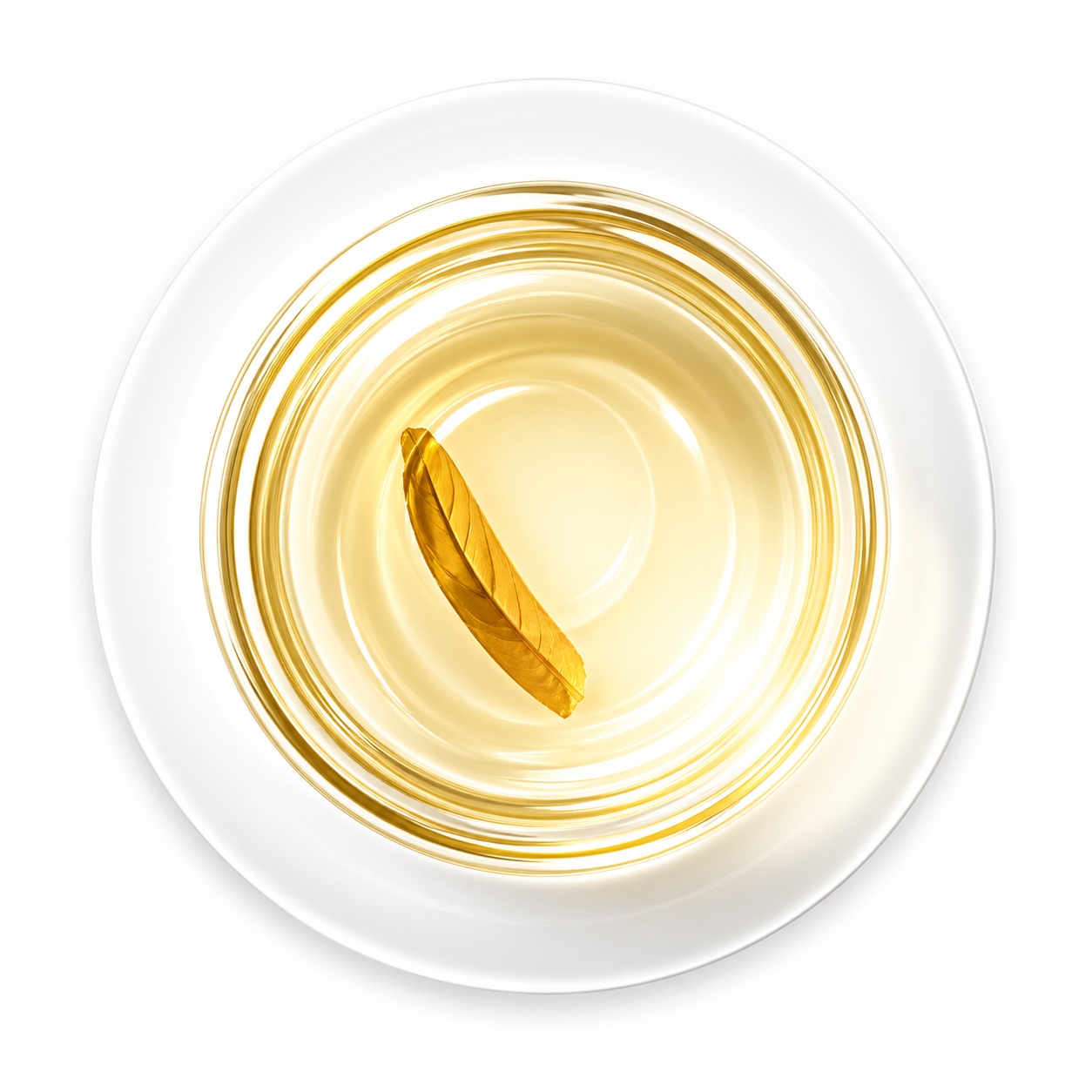
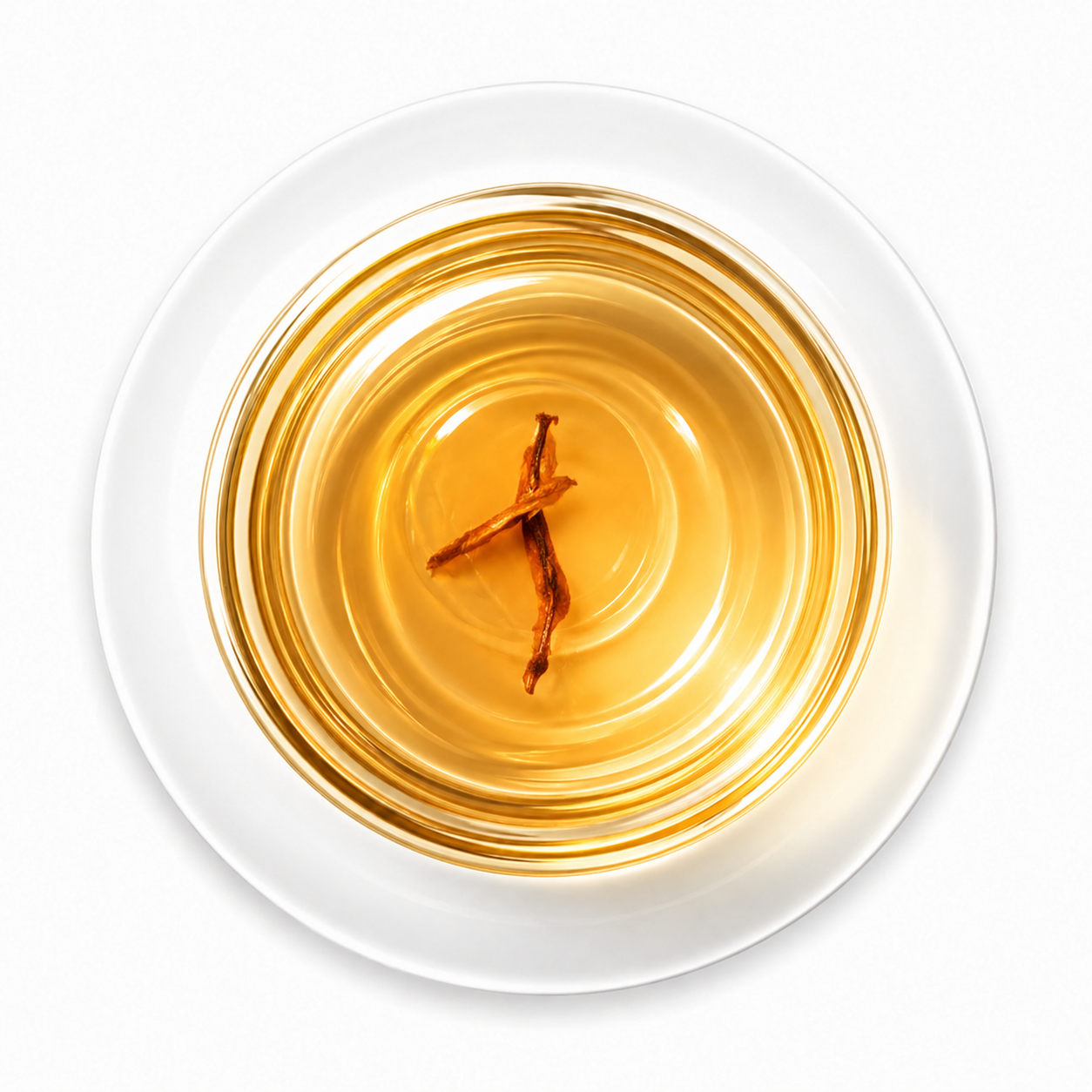
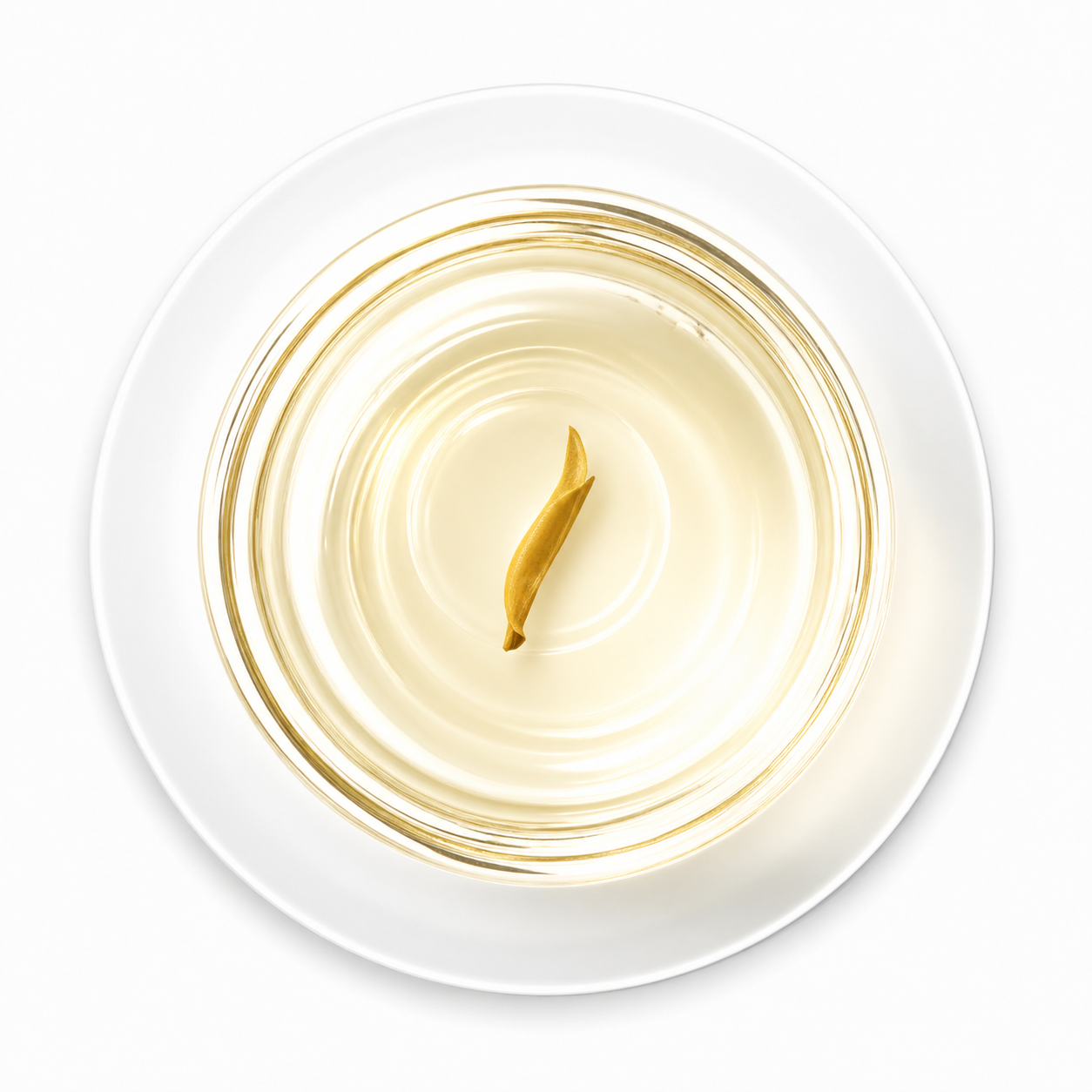
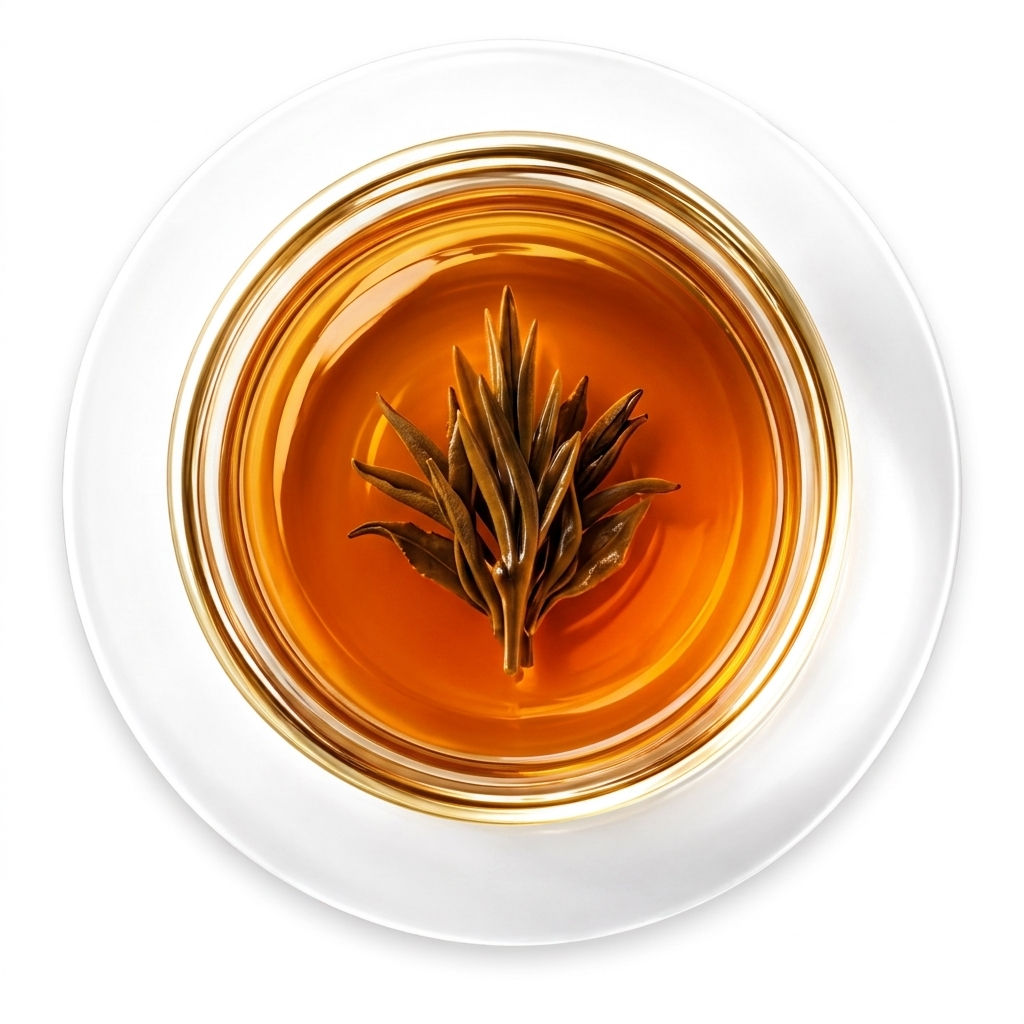
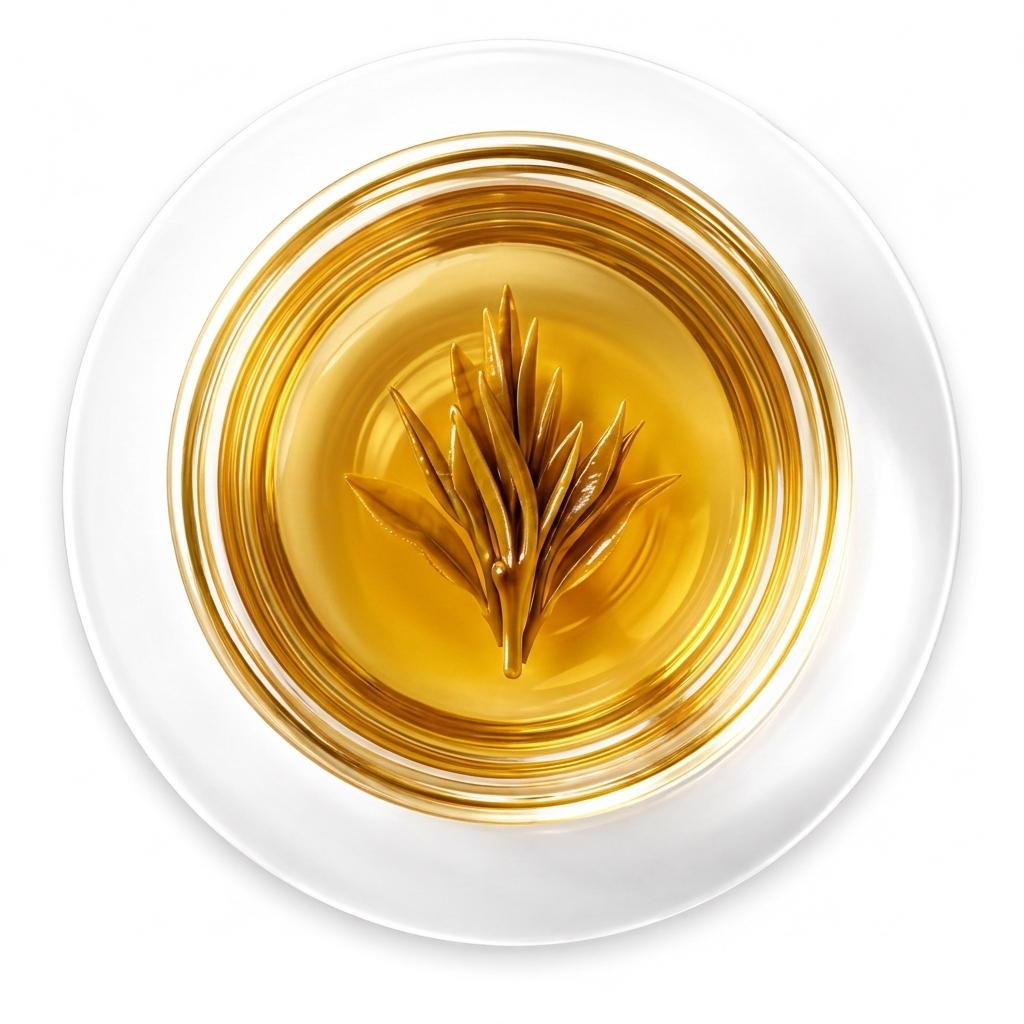
This refers to the luminosity of the tea liqueur. Because only the heart of the bud is used, the liquid is remarkably clear and bright, shimmering with a golden-yellow hue in the light.
Curated for the global tea community.