

Gunpowder
⚠️ Connection Notice:
If WhatsApp fails to open, please tap the ··· icon at the top right and select “Open in Browser”.
If WhatsApp fails to open, please tap the ··· icon at the top right and select “Open in Browser”.
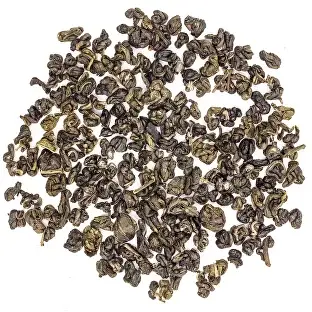
A bold centerpiece of our Green Tea Collection, Gunpowder (Zhu Cha) is perhaps the most enduring symbol of Chinese tea exports. Named for its resemblance to old-fashioned lead shot or gunpowder, this tea is known for its incredible shelf life and intense, smoky flavor. Whether enjoyed straight or as the base for Moroccan Mint tea, Gunpowder remains a powerful testament to the versatility of the Camellia sinensis plant.
In Chinese folklore, the origin of Gunpowder is far more mystical than its English name suggests. It is believed that these small, dark balls of tea were once precious jade stones dropped from the talons of a Phoenix flying over a lush valley. According to Encyclopædia Britannica, the “Pearl Tea” (Zhu Cha) later took on its industrial English moniker in the 18th century when merchants noticed its striking similarity to explosive gunpowder pellets.
First produced in Fujian, Gunpowder began its rise to fame in the 1600s. By the 1800s, it had become a staple in European and North American markets. Because the leaves are rolled so tightly, they are less susceptible to physical damage and spoilage, making Gunpowder the ideal tea for long sea voyages. This durability allowed it to reach the far corners of the world, from the American colonies to the deserts of North Africa.
The production of high-quality Gunpowder requires a precise harvest: only the top tea bud and two young upper leaves are selected. After plucking, the leaves are pan-fried to lock in their “fresh green” scent and then skillfully molded into their famous spherical shape. This rolling process serves a dual purpose: it protects the essential oils within the leaf and creates a concentrated flavor that “explodes” when the leaves unfurl in hot water.
Once Gunpowder reached North Africa, it fundamentally changed local culture. Today, it is the primary ingredient in Moroccan Mint Tea. The robust, smoky profile of the green tea provides a perfect backbone for the addition of fresh mint and honey, creating a refreshing, sweet, and cooling beverage that is essential to Maghrebi hospitality.
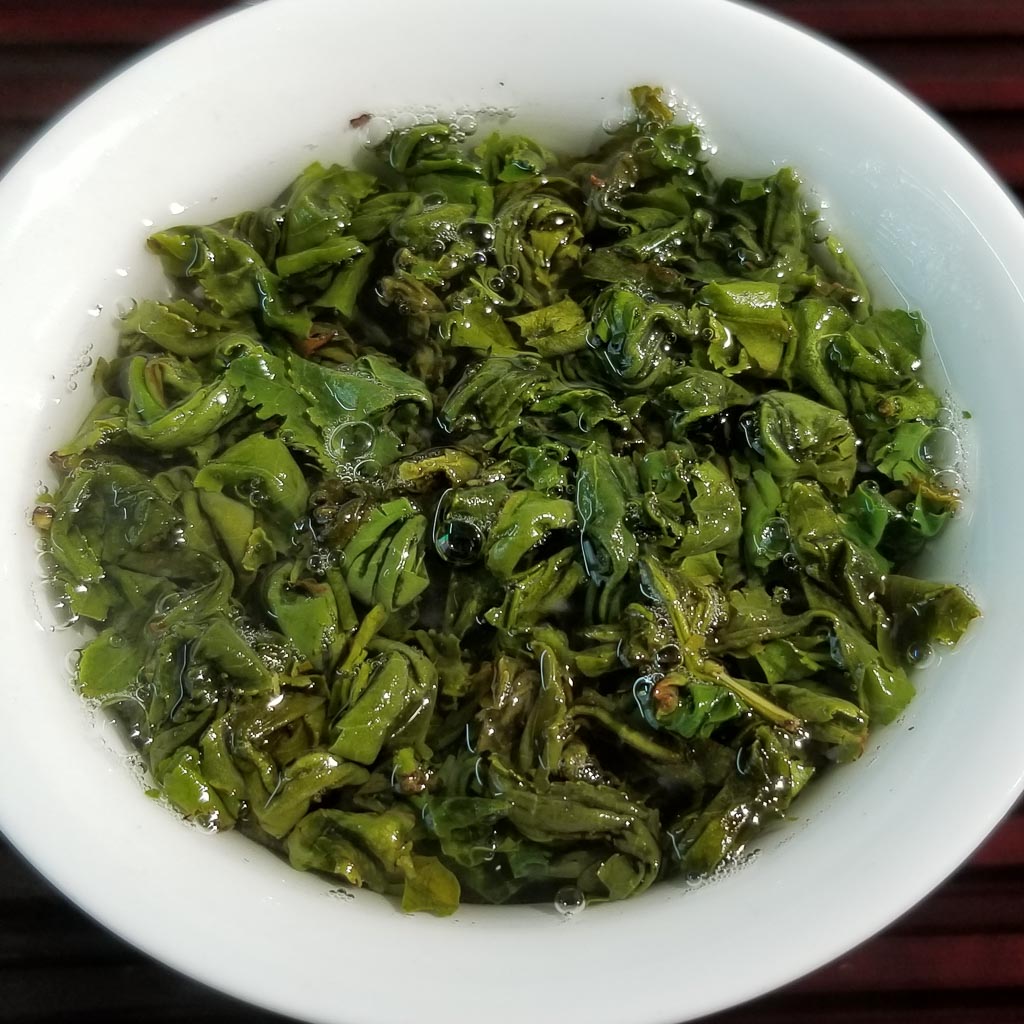
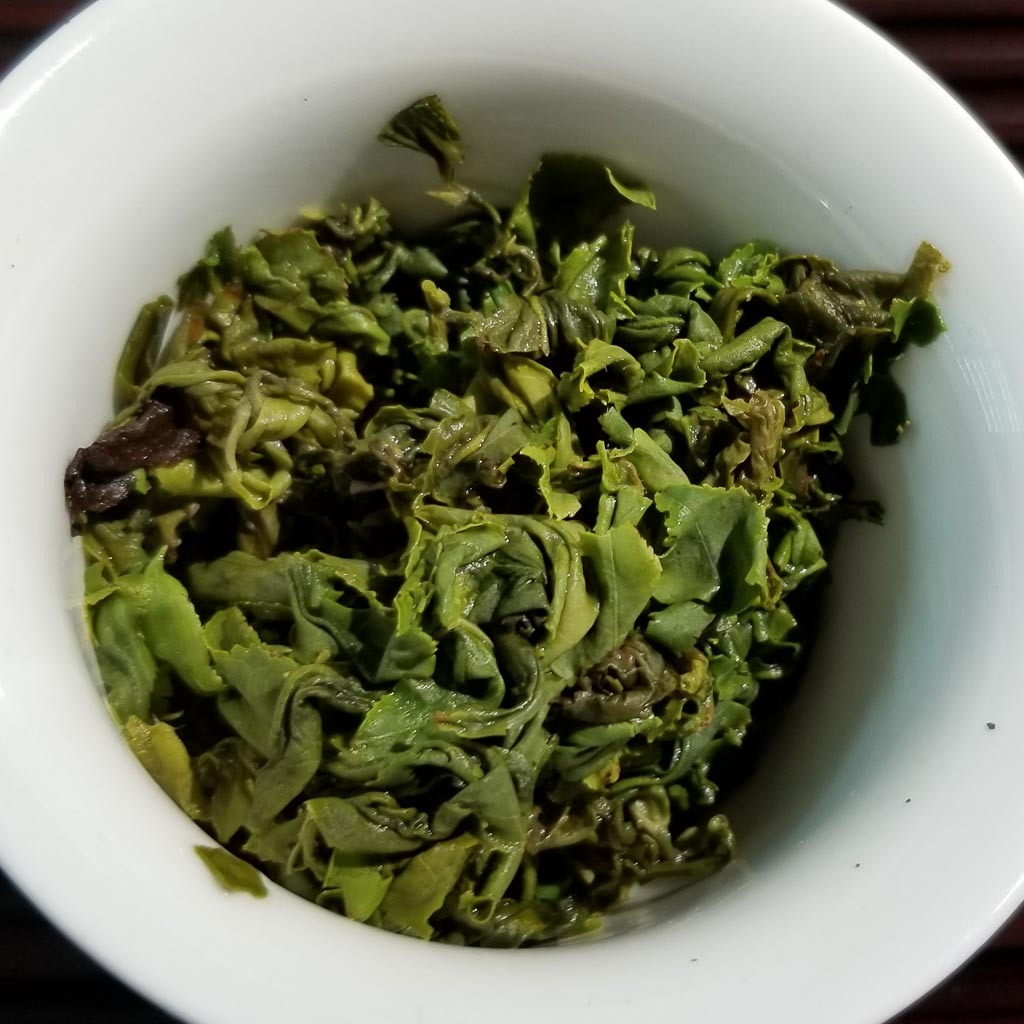
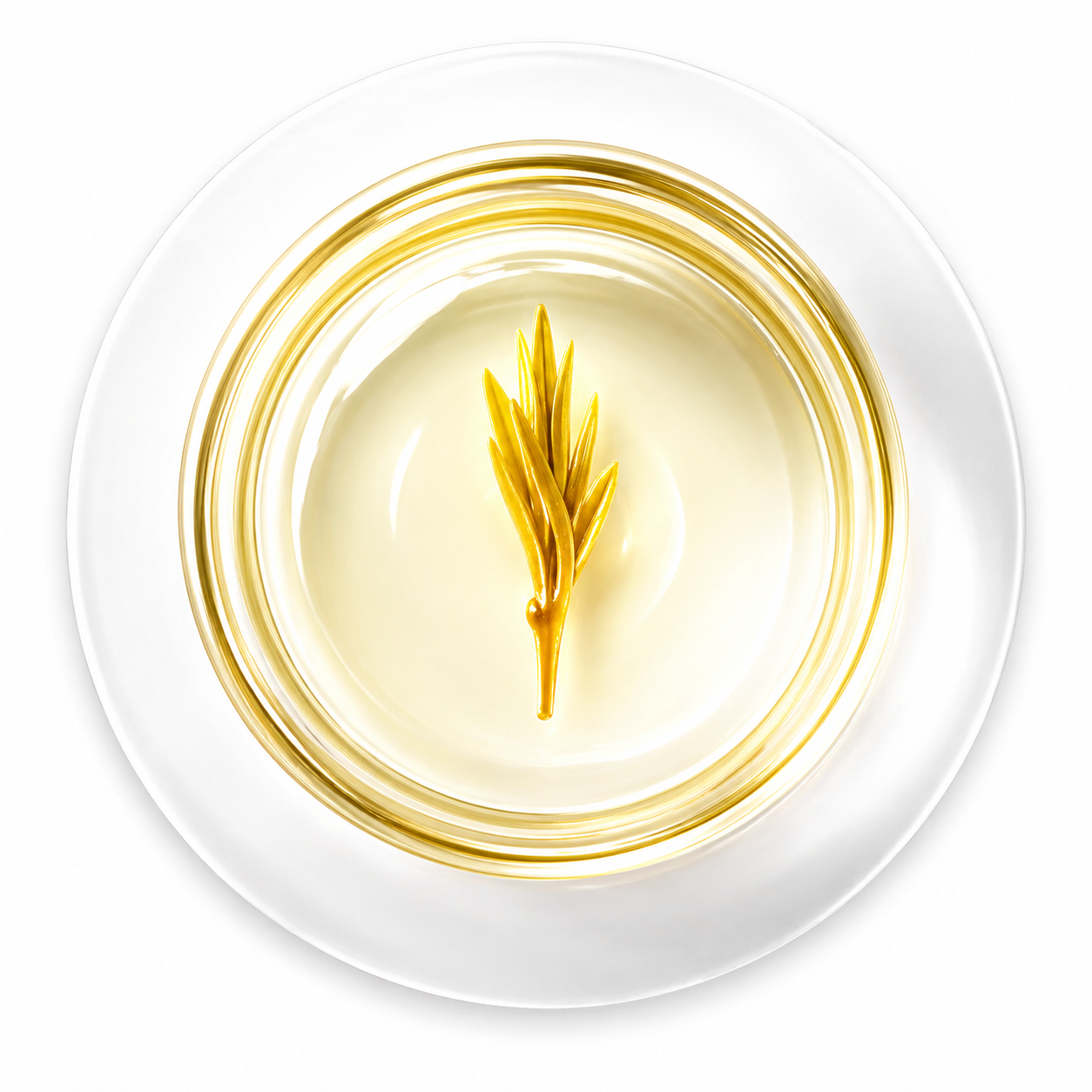
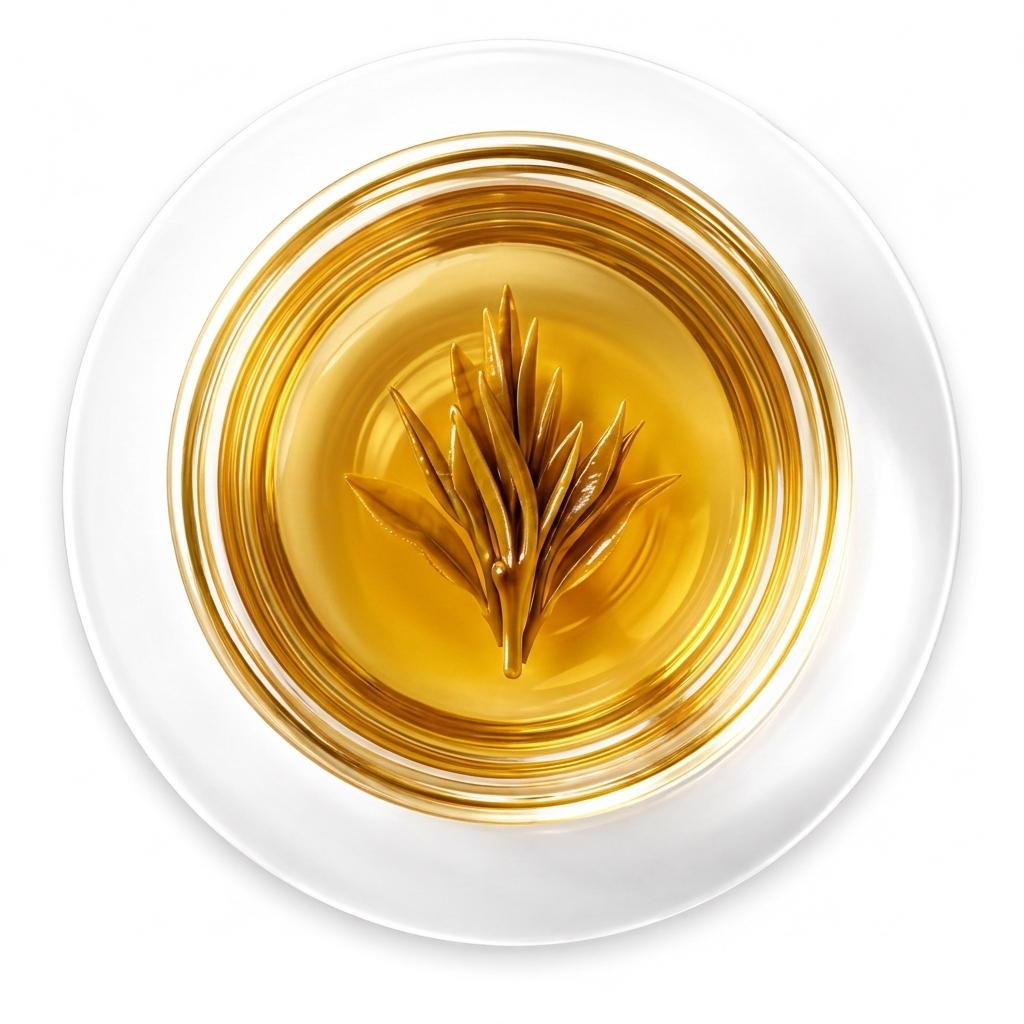
Gunpowder is a strong tea. If brewed too hot or for too long, it can become overly bitter. A Cast Iron Teapot or a sturdy glass vessel is excellent for this variety.
3g per 400ml
Temp: 80°C (176°F)
Time: 2 Minutes
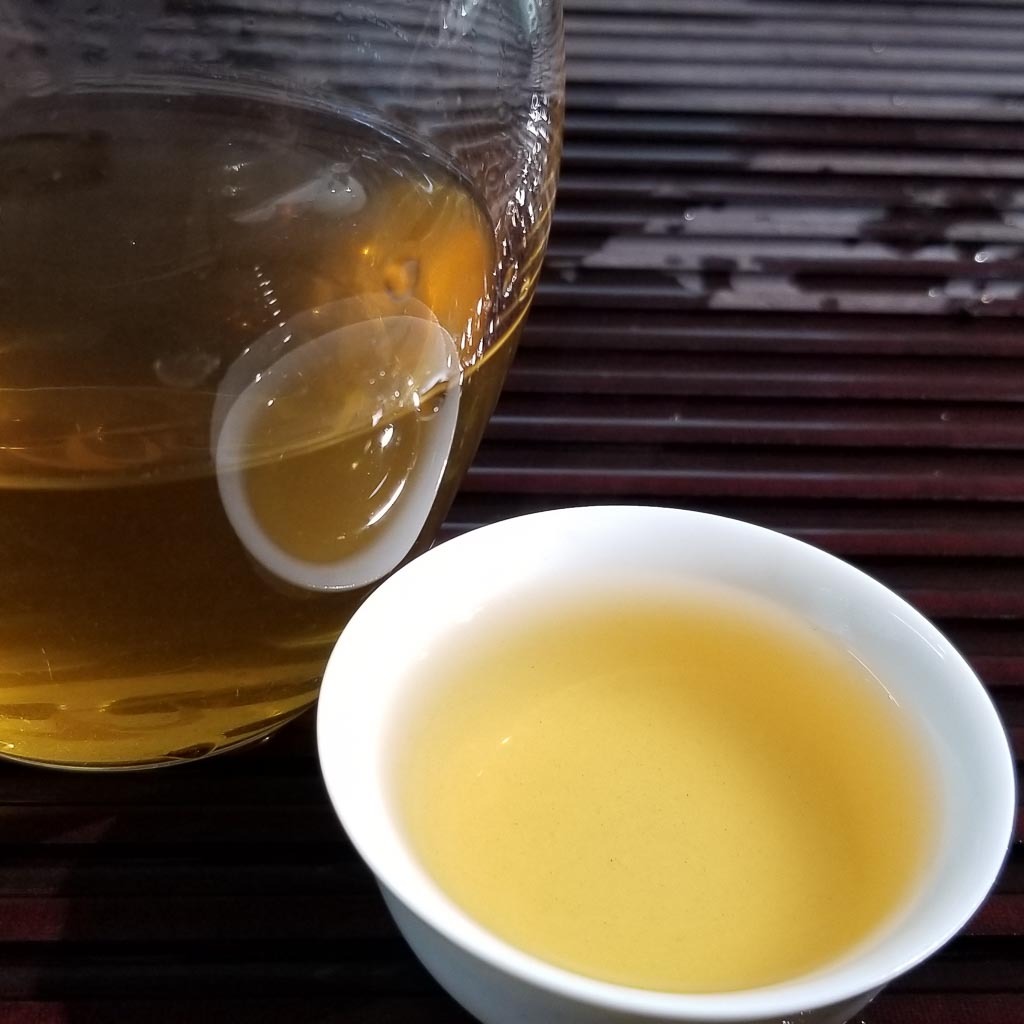
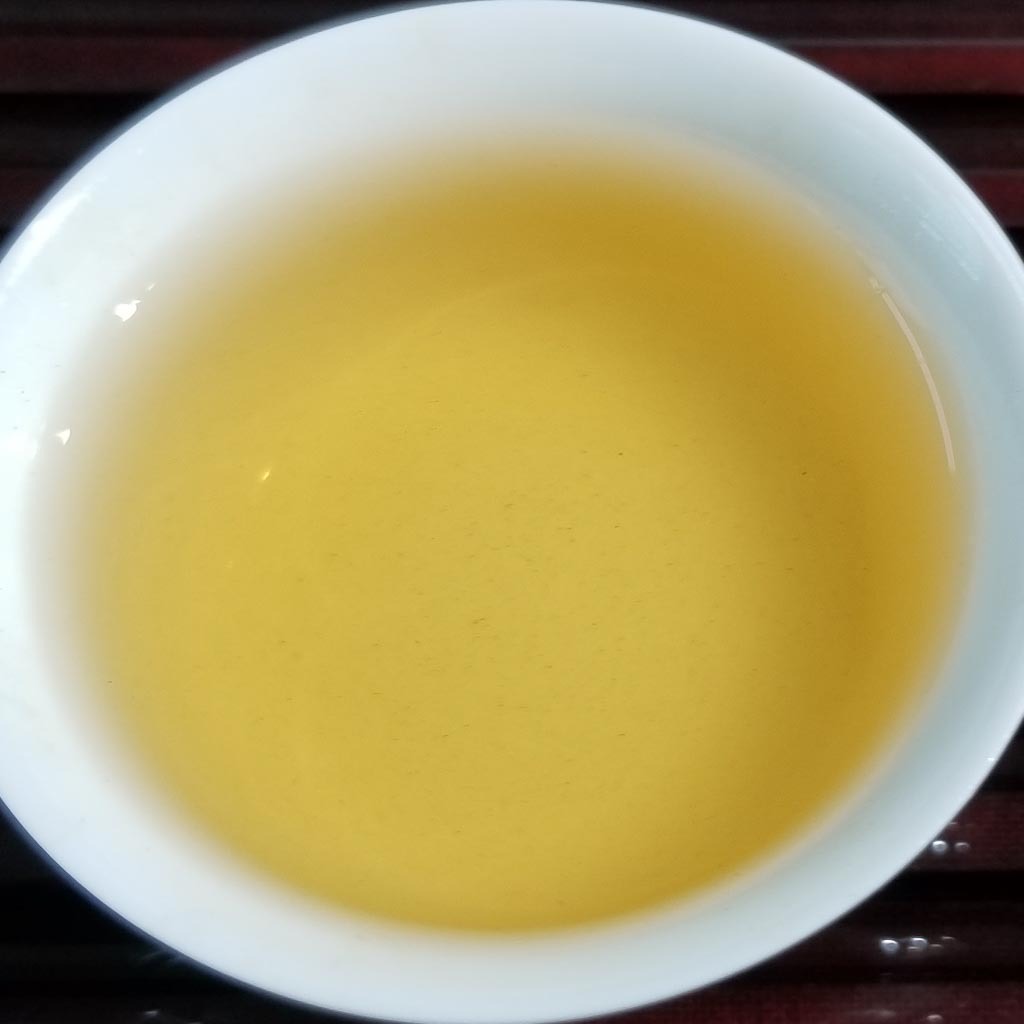
Results in a crisp, clean cup with a lingering smoky finish.
5g per 500ml
Boiling water + Mint + Sugar
Boil the tea with water first, then add sugar and mint for a traditional “Atay.”
No. The name is purely descriptive of its shape. It is 100% natural green tea leaves from the Assamica or Sinensis varieties.
Hyson is another name often used for high-quality rolled green tea. Historically, “Young Hyson” referred to early-spring plucked Gunpowder-style tea.
The rolling process reduces the surface area of the leaf exposed to oxygen. This natural “seal” preserves the tea’s flavor and antioxidants for months or even years.
Curated for the global tea community.