



Green Snail
⚠️ Connection Notice:
If WhatsApp fails to open, please tap the ··· icon at the top right and select “Open in Browser”.
If WhatsApp fails to open, please tap the ··· icon at the top right and select “Open in Browser”.
A vibrant star in our Green Tea Collection, Green Snail (Lu Luo) is famous for its intoxicating sensory profile. Legend has it that its fragrance was once so powerful it could expose thieves, earning it a fearsome nickname. Today, it is cherished by tea enthusiasts for its striking spiraled leaves, its delicate honeyed sweetness, and an aroma that lingers long after the first steep.
Before it was known as Green Snail, this tea was colloquially called “The Fragrant Killer” (Xia Sha Ren Xiang). According to local lore, greedy tea harvesters who tried to conceal extra leaves in their clothing were always caught because the tea’s intense aroma gave them away. In ancient times, the theft of such precious leaves was met with severe punishment. This legend highlights the exceptional potency of the essential oils found within this variety.
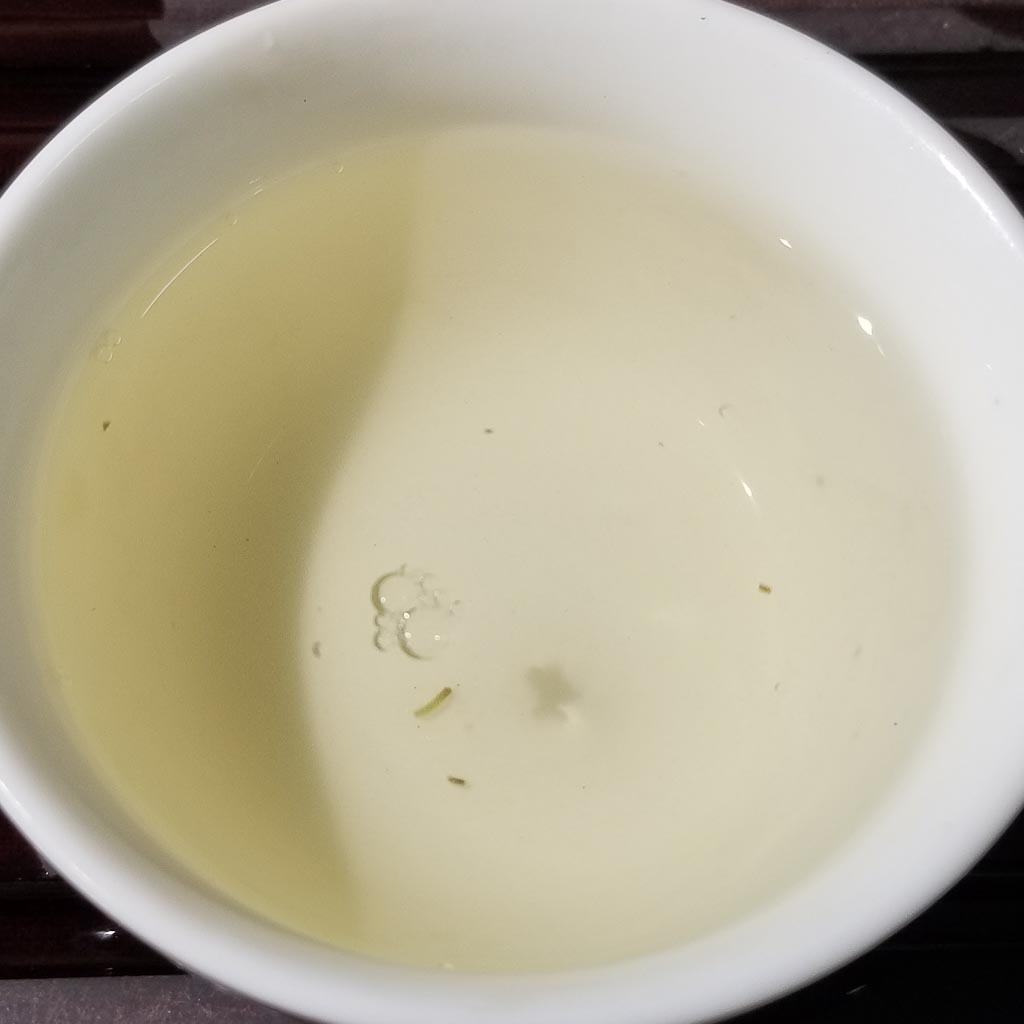
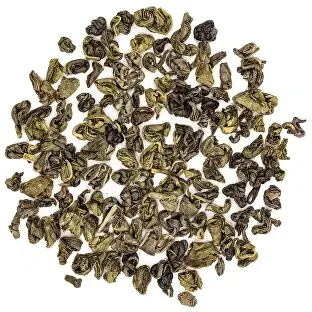
The modern name Lu Luo refers directly to the visual state of the finished tea. During production, the fresh leaves are skillfully twisted and curled into small, tight spirals that bear a remarkable resemblance to tiny green snails. This shape serves a practical purpose: it compacts the leaf, preserving its freshness and ensuring the flavors are released slowly across multiple infusions.
What truly sets Green Snail apart is the longevity of its scent. Unlike many green teas that lose their primary aroma after the first rinse, Lu Luo maintains a pleasant, pervasive fragrance throughout the entire drinking session. It is often described as a “living” tea, as the scent evolves from a fresh, grassy note into a deeper, floral-honey perfume as the leaves unfurl.
Tea farmers believe that Green Snail acquires its unique bouquet because the tea bushes are traditionally interplanted with fruit trees like peach, apricot, and plum. Growing under a canopy of fruit blossoms and enveloped by the mountain fogs, the leaves are said to absorb these natural fragrances. While there is no strict scientific evidence for this cross-pollination of flavor, the sensory experience of a high-quality Green Snail certainly supports the theory.
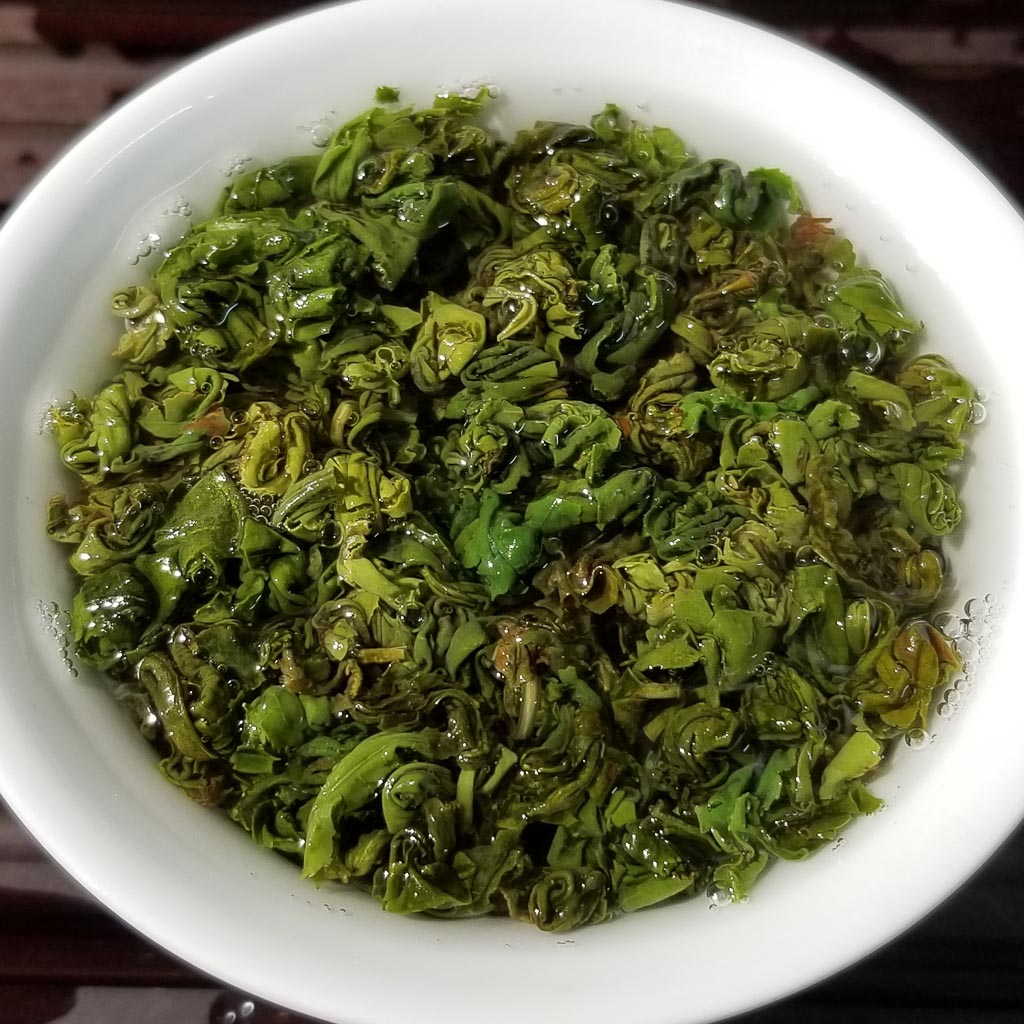
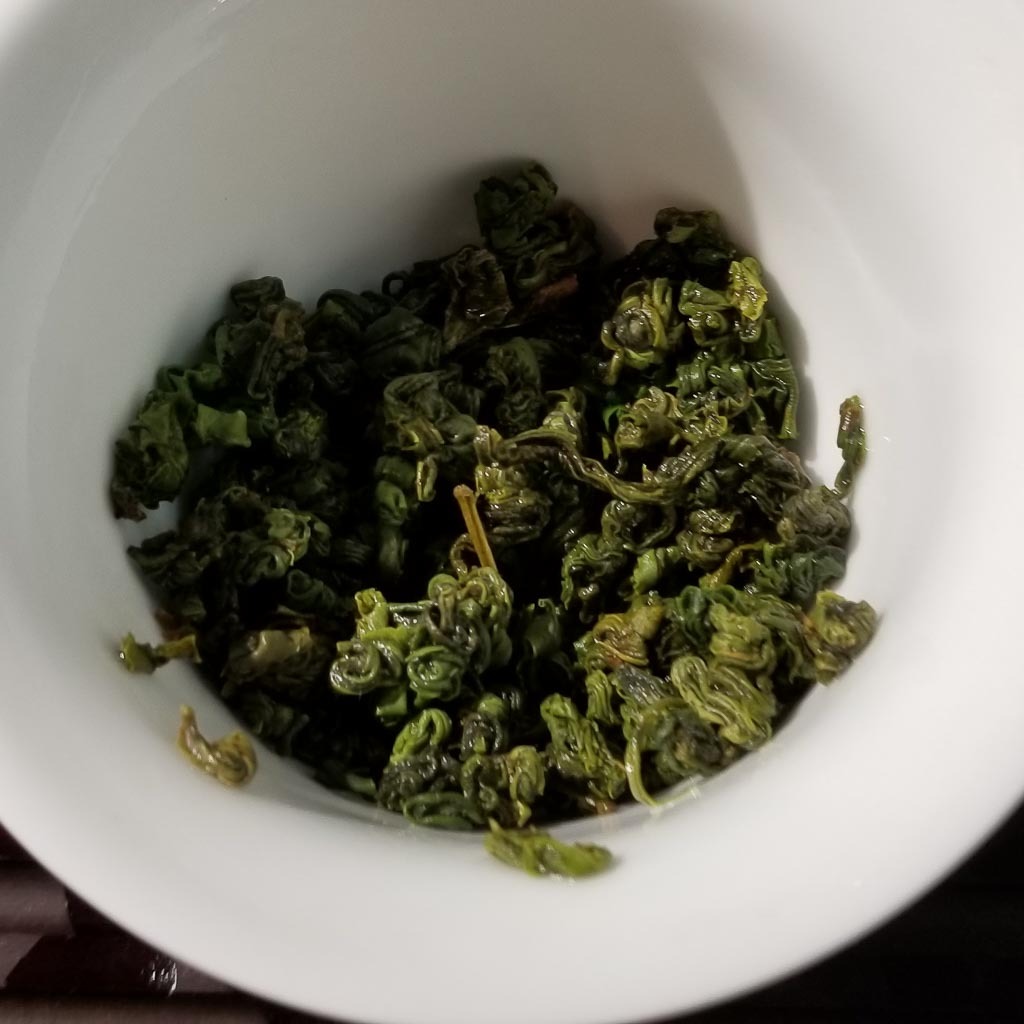
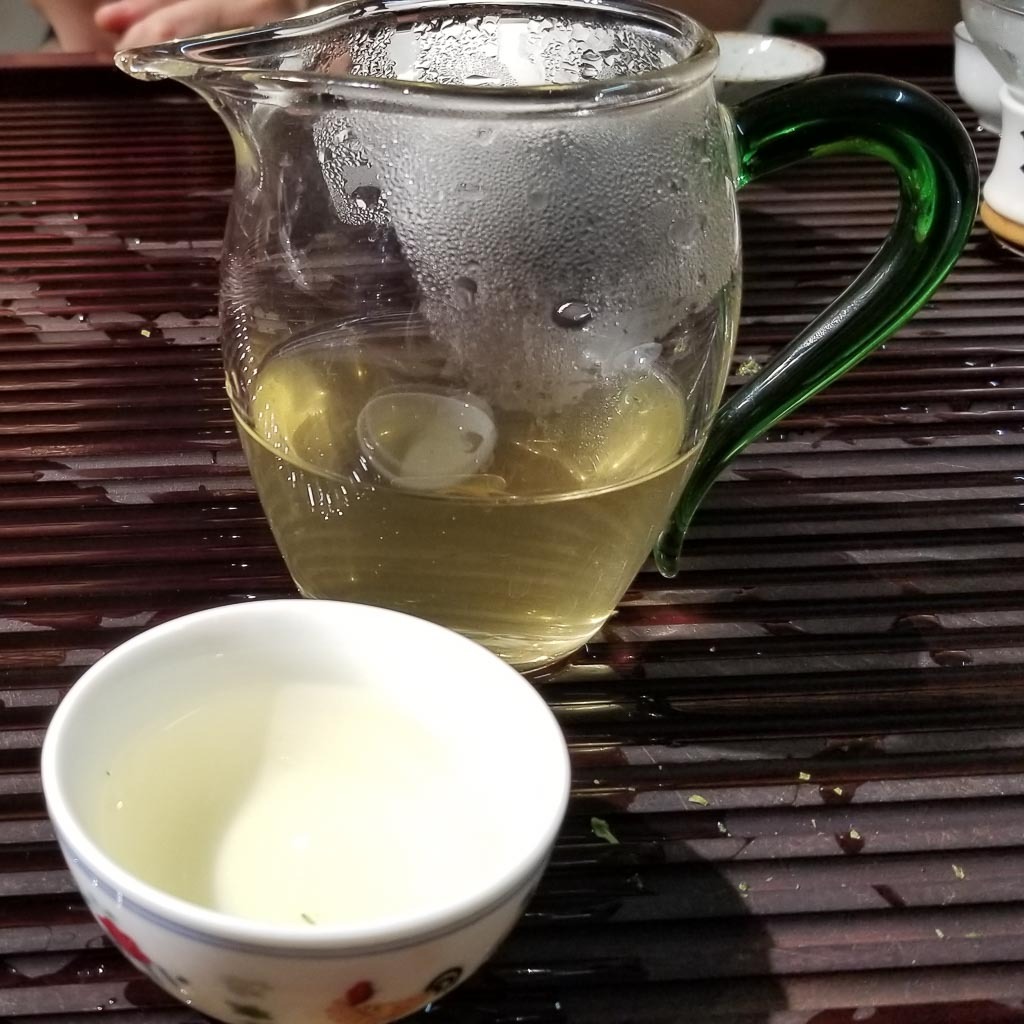
To fully experience the “Fragrant Killer” aroma, use a wide-mouthed vessel that allows the scent to travel. A Glass Gaiwan is ideal for watching the snails uncurl.
3g per 400ml
Temp: 80°C (176°F)
Time: 2-3 Minutes
Brings out the refreshing vegetal notes and light honey finish.
5g per 150ml
Temp: 85°C (185°F)
Steeps: 5-6 rounds
Start with 20-second steeps to experience the layers of aroma as they unfold.
They are very similar in shape and origin, but Green Snail (Lu Luo) often emphasizes the honeyed-floral aroma and a slightly “juicier” leaf, whereas traditional Biluochun is known for its intense “spring sprout” freshness.
It’s a poetic translation of Xia Sha Ren Xiang, which literally means “scaring people to death with its fragrance.” It refers to the overwhelming potency of its scent.
Green Snail is remarkably durable for a green tea. You can easily get 4-5 high-quality infusions out of a single set of leaves using the Gongfu method.
Curated for the global tea community.